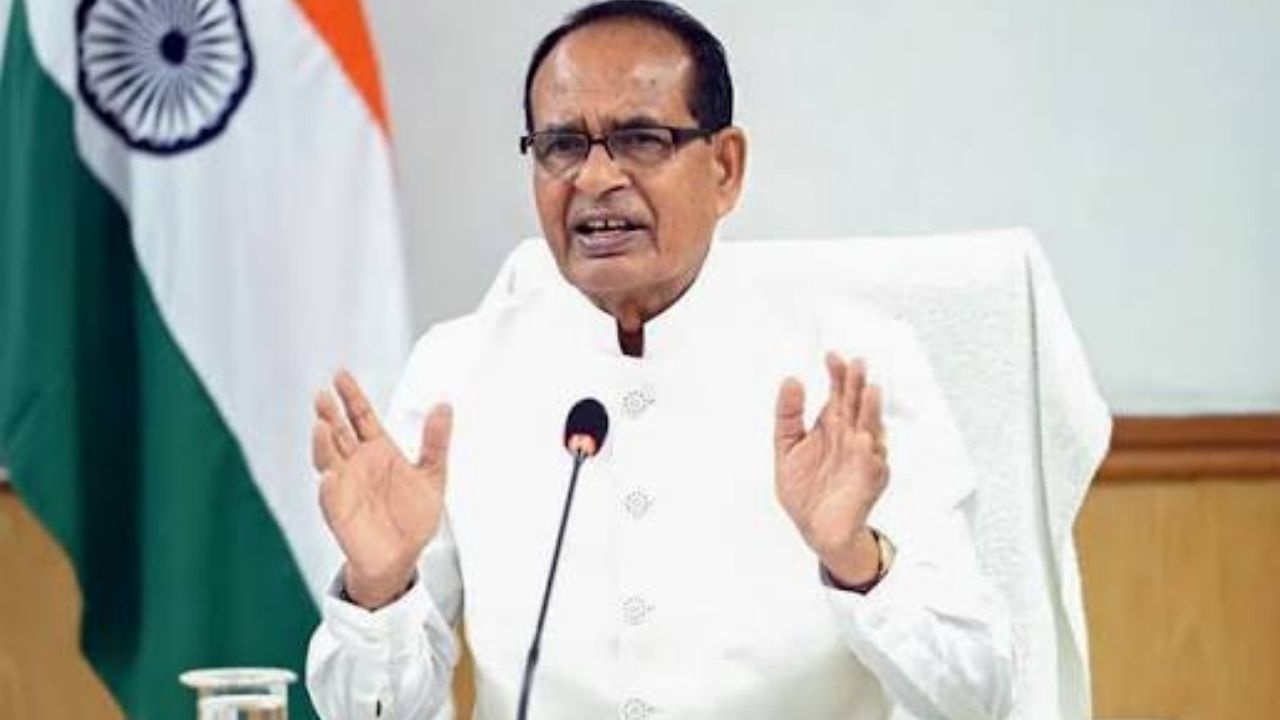
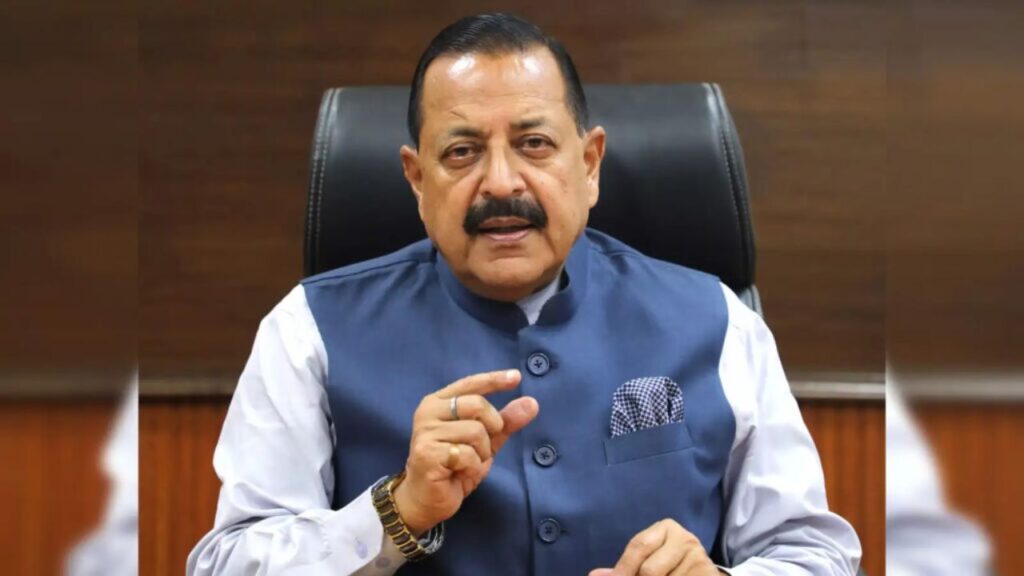

India’s future economic growth, strategic strength and global competitiveness will be driven by advancements in Artificial Intelligence (AI), quantum technology, space exploration and nuclear energy, Union Minister of State (Independent Charge) for Science & Technology, Earth Sciences, and Minister of State in the Prime Minister’s Office, Personnel, Public Grievances, Pensions, Atomic Energy and Space, Dr. Jitendra Singh said on Saturday.
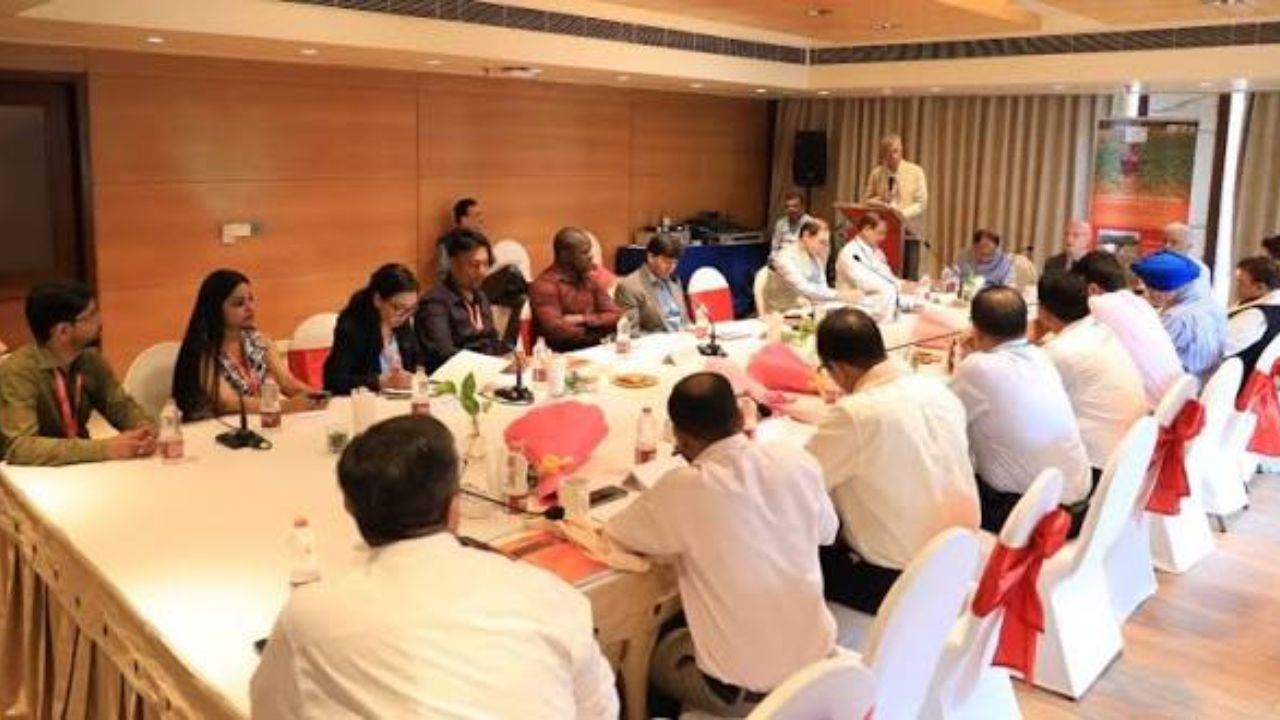
Addressing a fireside conversation during a media conclave organised by a leading news channel, the Minister highlighted India’s rapid progress in frontier technologies and stressed that these sectors would define the country’s development trajectory over the coming decades.
Dr. Singh said India is emerging as one of the world’s leading technology-driven nations, making remarkable progress in several strategic sectors simultaneously. He noted that the National Quantum Mission (NQM), launched in 2023, has already achieved more than half of its planned milestones within just three years, demonstrating the country’s growing scientific capabilities and commitment to technological leadership.
The Minister said the mission has made significant advancements in quantum-secure communication, a critical technology with applications in defence, cybersecurity, strategic communications and protection of sensitive data. He added that India is steadily building a comprehensive quantum ecosystem encompassing quantum computing, communication and advanced research.
Emphasising the strategic importance of frontier technologies, Dr. Singh said countries that fail to keep pace with developments in AI, quantum science, space and nuclear technology risk falling behind not only economically but also in national security and geopolitical influence. According to him, these emerging technologies will determine the contours of future global power and competitiveness.
On Artificial Intelligence, the Minister described AI as a transformative technology that is rapidly becoming indispensable across governance, healthcare, education, research, manufacturing and public service delivery. He said the government is simultaneously strengthening India’s digital infrastructure through investments in high-performance computing, data resources and reliable energy systems to support AI-led growth.
Dr. Singh also underlined the importance of nuclear energy in India’s technological future. As demand for data centres, advanced computing and digital services continues to grow, he said dependable and clean energy sources will become increasingly vital. Nuclear power, he noted, is expected to play a crucial role in meeting this demand while contributing to India’s clean energy transition.
Highlighting recent policy initiatives, the Minister credited the reforms introduced under Prime Minister Narendra Modi’s leadership for expanding opportunities in scientific research, innovation and entrepreneurship. He said the liberalisation of the space sector has led to the emergence of a vibrant startup ecosystem, while new policy measures in the nuclear sector are expected to attract greater investment, technological collaboration and capacity building.
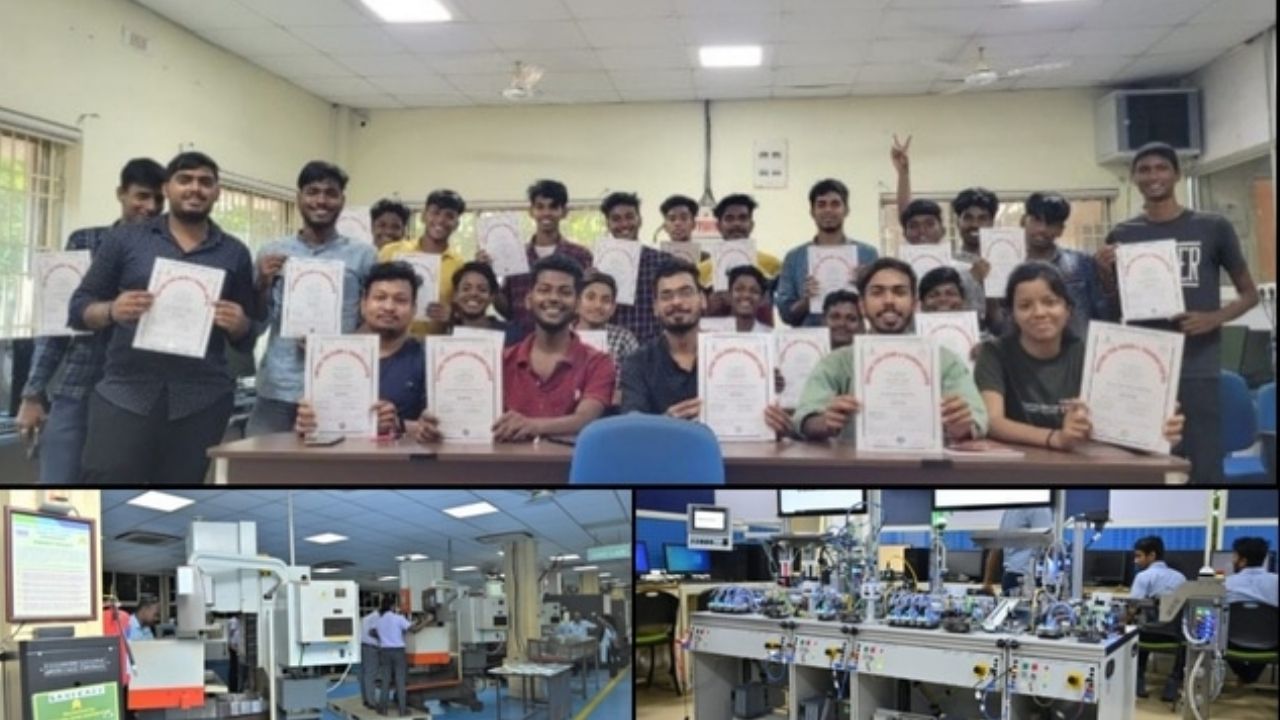
Speaking about education, Dr. Singh described the National Education Policy (NEP) 2020 as a landmark reform that has transformed India’s academic landscape by promoting flexibility, multidisciplinary learning and research-oriented education. He said the policy enables students to pursue careers based on their interests and aptitude rather than following rigid academic pathways.
The Minister observed that NEP 2020 is fostering a stronger research culture by encouraging young people to engage in innovation driven by curiosity and capability. This, he said, will help produce a new generation of scientists, innovators, entrepreneurs and technology leaders capable of addressing future challenges.
Dr. Singh also highlighted the evolution of India’s research ecosystem, stating that innovation is no longer driven solely by the government. Instead, academia, industry, startups and private enterprises are increasingly collaborating to accelerate scientific discovery and commercialise research outcomes. Such partnerships, he said, are essential for sustaining technological advancement in a competitive global environment.
Looking ahead, the Minister said AI and quantum technologies will transform societies at an unprecedented pace, making today’s investments in research, policy and technological infrastructure critical for the future. He urged students and young innovators to take advantage of the vast learning resources available today, cultivate scientific thinking and actively contribute to India’s technological transformation.
Concluding his address, Dr. Jitendra Singh expressed confidence that reforms in education, research, space, nuclear energy and emerging technologies will strengthen India’s journey towards becoming a developed nation by 2047 and establish the country among the world’s foremost innovation-driven economies.

Author: Shivam
Shivam Dwivedi is a senior journalist with extensive experience in research-driven journalism, policy communication, and multi-platform storytelling. His areas of interest include international relations, defence, science & technology, education, urban development, agriculture, spirituality, and environmental sustainability. His work focuses on in-depth analysis, public discourse, and impactful narratives across governance and development sectors, with a strong commitment to the Sustainable Development Goals (SDGs). Contact: [email protected]