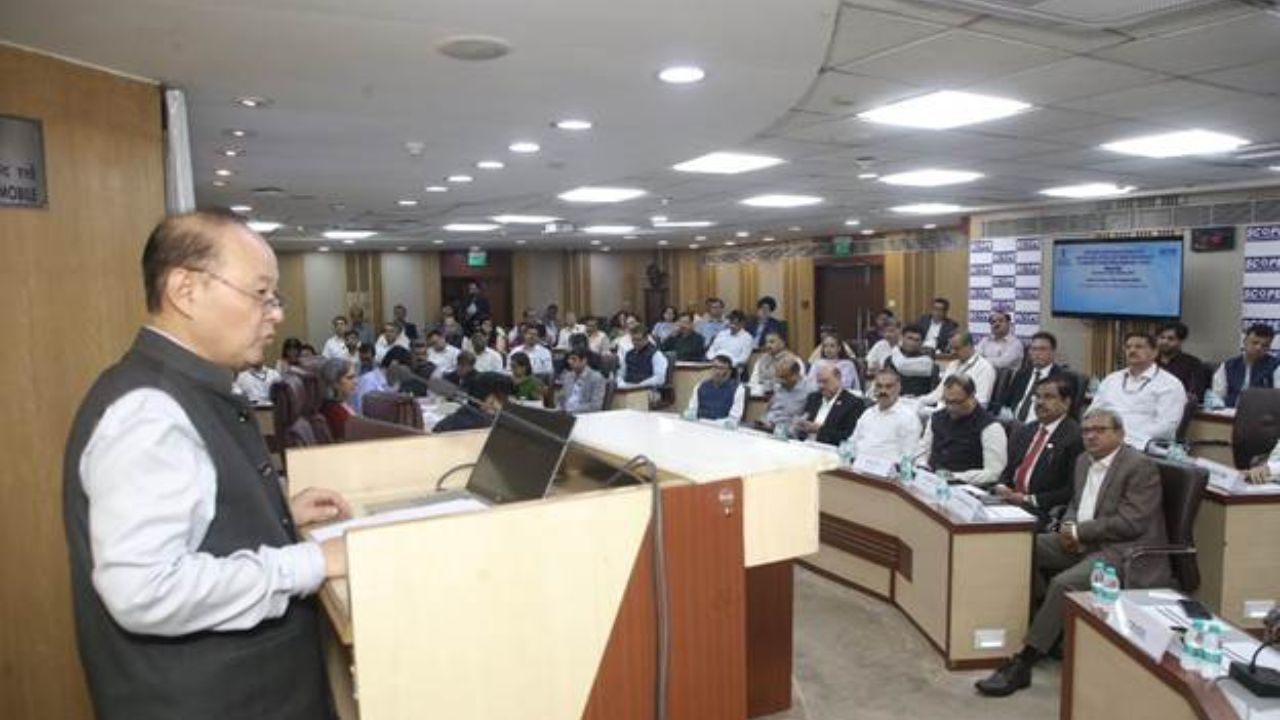

The Department of Agricultural Research and Education (DARE) and the Indian Council of Agricultural Research (ICAR) are set to undertake Special Campaign 6.0 from October 2 to October 31, 2026, in line with the Government of India’s nationwide initiative aimed at promoting cleanliness, improving workplace efficiency and reducing pendency in government offices.
The month-long campaign will build on the initiatives and outcomes achieved during Special Campaign 5.0. DARE and ICAR have been working to strengthen administrative efficiency by regularly reviewing pending matters, improving record management and ensuring the timely resolution of public grievances.
During the previous campaign, DARE/ICAR maintained a sustained focus on clearing pending references and addressing public grievances. The Ministry recorded significant progress in the disposal of Public Grievances and Public Grievance Appeals, reinforcing its efforts to provide timely responses to citizens and improve the overall efficiency of grievance redressal mechanisms.
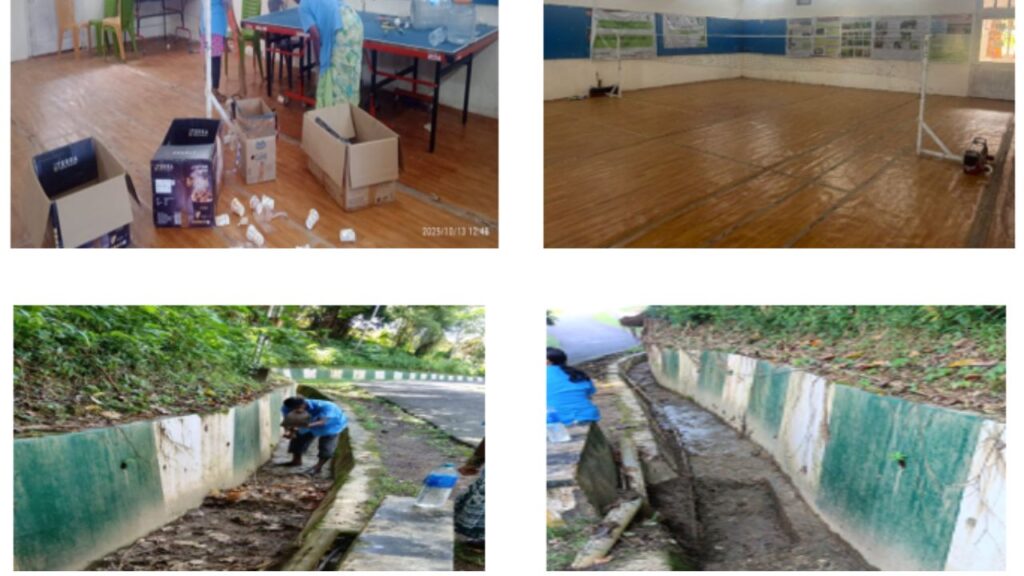
Special Campaign 5.0 also saw the implementation of cleanliness and awareness activities across DARE and ICAR branches and institutions located in different parts of the country. The activities covered a broad range of areas, including hygiene and sanitation, health and food safety, waste management, environmental conservation and improvement of office surroundings.
A key component of the campaign was the promotion of waste-to-wealth initiatives and responsible waste management practices. Offices also undertook measures related to tree plantation, beautification of premises and the adoption of environment-friendly practices. These initiatives were intended not only to improve workplace conditions but also to encourage greater awareness of cleanliness and environmental responsibility among employees.
Space management and the effective utilisation of office premises were another important focus area. By identifying obsolete records, accumulated scrap and unused materials for appropriate disposal, DARE and ICAR offices were able to create additional usable space. Such measures also contributed to cleaner and more organised workplaces.
The campaign further supported the transition towards paperless governance through greater use of the e-File system. As part of record-management efforts, targets concerning the disposal of physical files and the review and closure of e-Files were pursued. The initiative helped streamline documentation processes while reducing dependence on physical records.
The disposal of old files and accumulated scrap also helped address long-standing storage issues in offices. Clearing unnecessary materials from workspaces enabled better utilisation of available areas and supported efforts to create more efficient working environments.
With Special Campaign 6.0, DARE and ICAR intend to consolidate these achievements and expand the focus on cleanliness, administrative efficiency and systematic record management. The upcoming campaign will continue efforts to reduce pendency and ensure that pending references and grievances receive timely attention.
Paperless functioning will remain an important area of focus, with the e-File system supporting more efficient handling and monitoring of official records. At the same time, offices will continue to examine physical files and records for disposal or closure in accordance with applicable procedures.
The campaign is also expected to reinforce efforts to improve the utilisation of office spaces through systematic removal of obsolete materials and better organisation of records. Environment-friendly practices, sanitation, cleanliness and conservation measures will remain integral to the campaign’s implementation.
By drawing on the experience of Special Campaign 5.0, DARE and ICAR are preparing to further institutionalise cleanliness and efficient office management practices. Special Campaign 6.0 will thus combine Swachhata activities with administrative reforms, record management, grievance redressal and paperless functioning, with the broader objective of creating cleaner, more efficient and better-managed government workplaces.
Also Read: CAZRI Moth Bean Varieties Show Strong Resilience During Prolonged Dry Spell in Rajasthan

Author: Shivam
Shivam Dwivedi is a senior journalist with extensive experience in research-driven journalism, policy communication, and multi-platform storytelling. His areas of interest include international relations, defence, science & technology, education, urban development, agriculture, spirituality, and environmental sustainability. His work focuses on in-depth analysis, public discourse, and impactful narratives across governance and development sectors, with a strong commitment to the Sustainable Development Goals (SDGs). Contact: [email protected]