
Goa ST political reservation impact on general category:- The Goa government’s decision to support political reservation for Scheduled Tribes (STs) in the Legislative Assembly has brought the debate over electoral representation and general category political opportunities into focus. While the move aims to improve representation for tribal communities, it could also change electoral competition, party ticket distribution and political equations in the state ahead of the 2027 Assembly elections.
The Goa government is set to file an affidavit before the Bombay High Court supporting political reservation for the Scheduled Tribe (ST) community in the state Assembly. Chief Minister Pramod Sawant has said the government is serious about securing reservation for the community and hopes the process will be completed before the 2027 Assembly elections.
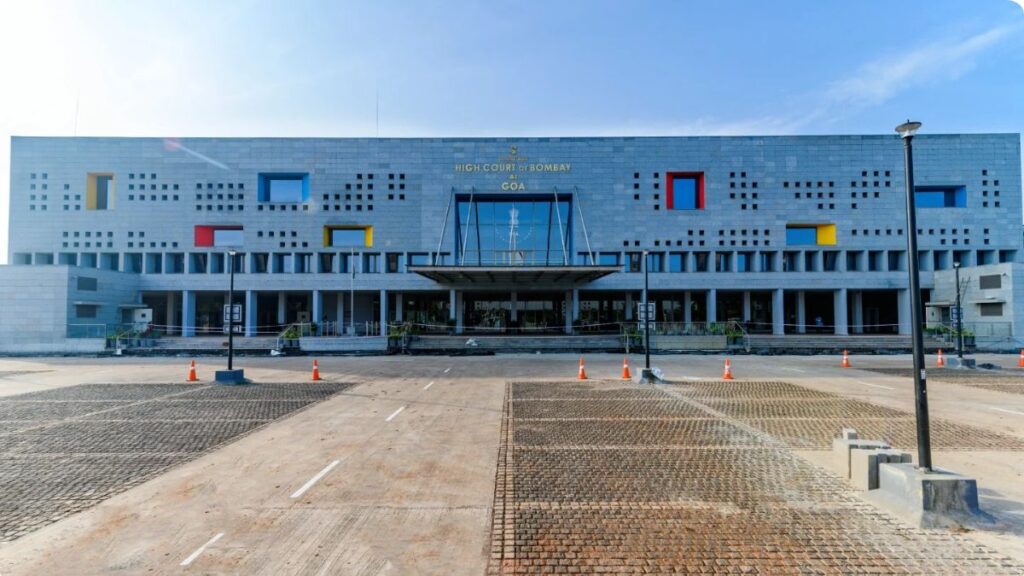
The development comes after the Supreme Court declined to stay an interim order of the Bombay High Court at Goa. The High Court had restrained the Census Commissioner from notifying estimated ST population figures for the purpose of providing political reservation in the Assembly.
The legal dispute concerns the Readjustment of Representation of Scheduled Tribes in Assembly Constituencies of the State of Goa Act, 2025. The law provides a framework for identifying Assembly constituencies where seats can be reserved for ST candidates.
The Union government has already filed an affidavit defending the constitutional validity of the law. The Goa government is also supporting the legislation and the reservation process.
Political reservation means that certain Assembly constituencies will be reserved for candidates belonging to the Scheduled Tribe community.
In these constituencies, only eligible ST candidates can contest elections. However, voters from all communities, including the general category, Other Backward Classes (OBCs) and Scheduled Castes (SCs), will retain their right to vote.
The proposed arrangement is aimed at ensuring that tribal communities receive representation in the state legislature.
The issue is particularly important in Goa because, despite having a sizeable ST population, the community currently does not have reserved Assembly constituencies.
The proposed arrangement could reserve four Assembly seats for ST candidates, subject to the legal process and final decision of the court.
The proposed reservation could change the political opportunities available to candidates from the general category, particularly in constituencies that may be designated as ST-reserved.
1. Fewer Electoral Opportunities for General Category Candidates
If four Assembly constituencies are reserved for ST candidates, candidates from the general category will not be eligible to contest elections from those seats.
This could reduce the number of constituencies available to general category candidates and increase competition for tickets in the remaining unreserved seats.
For political leaders who have traditionally contested from these constituencies, the change could affect their electoral careers and future political plans.
2. Changes in Political Representation
The reservation could change the composition of the Goa Legislative Assembly. Political parties may need to select more ST candidates and reconsider their existing ticket distribution strategies.
General category leaders could face greater competition within their parties for nominations from unreserved constituencies.
However, it is important to understand that reservation does not remove the voting rights of general category citizens. They can continue to vote in both reserved and unreserved constituencies.
3. Possible Changes in Constituency Boundaries
The process of identifying reserved constituencies may require changes in the electoral arrangement.
Such changes could affect existing political strongholds and the electoral prospects of sitting MLAs. Leaders who have built their political influence in particular constituencies may need to adjust their political strategies.
This could create competition among different political groups over which constituencies should be reserved.
4. Risk of Increasing Caste-Based Political Competition
Another possible concern is the growing importance of caste and community identity in electoral politics.
Political parties may increasingly focus on community-based calculations while distributing election tickets. Instead of giving greater importance to a candidate’s public work, experience and development record, parties could give more attention to community representation and electoral arithmetic.
This could deepen identity-based political competition if parties use reservation primarily as an election strategy rather than focusing on inclusive development.
However, reservation itself is a constitutional mechanism for improving representation and should not automatically be viewed as a source of social division.
Goa ST political reservation impact on general category:- Could It Create Political Challenges for the General Category?
The proposed reservation could create some political challenges for general category candidates, especially those who have traditionally contested from constituencies that may become reserved.
The number of available seats for general category candidates could become more limited, potentially increasing competition for election tickets.
There could also be political disagreements over constituency selection, population calculations and the implementation of reservation.
At the same time, it would be incorrect to suggest that general category citizens will lose their political rights or representation across the state. The proposed reservation concerns specific Assembly constituencies in Goa, not a nationwide change in electoral representation.
The actual impact will depend on which constituencies are reserved and how political parties respond to the changes.
Goa ST political reservation impact on general category:- Supreme Court and High Court Proceedings: What Happens Next?
The legal proceedings will play an important role in deciding whether ST political reservation can be implemented before the 2027 Goa Assembly elections.
The Supreme Court has asked the Bombay High Court at Goa to decide the matter within the prescribed timeline. The High Court has scheduled the final hearing to begin on December 7, 2026.
The court is examining a challenge to the constitutional validity of the 2025 legislation and the process of estimating the ST population for determining reserved constituencies.
Goa ST political reservation impact on general category:- Balancing Tribal Representation and Electoral Competition
The proposed ST political reservation in Goa is an important development for the state’s electoral system. It could provide tribal communities with greater opportunities to participate in legislative decision-making.
However, its implementation will also change electoral competition, particularly for general category candidates in constituencies that may become reserved.
The larger policy challenge is to ensure that political reservation improves representation without creating unnecessary divisions among communities.
For Goa’s political parties, the coming months will be important as they prepare for a possible change in constituency arrangements ahead of the 2027 elections. Also read:- Karnataka Burns Rehabilitation Policy: 15-Bed Wards and BMCRI Upgrade