
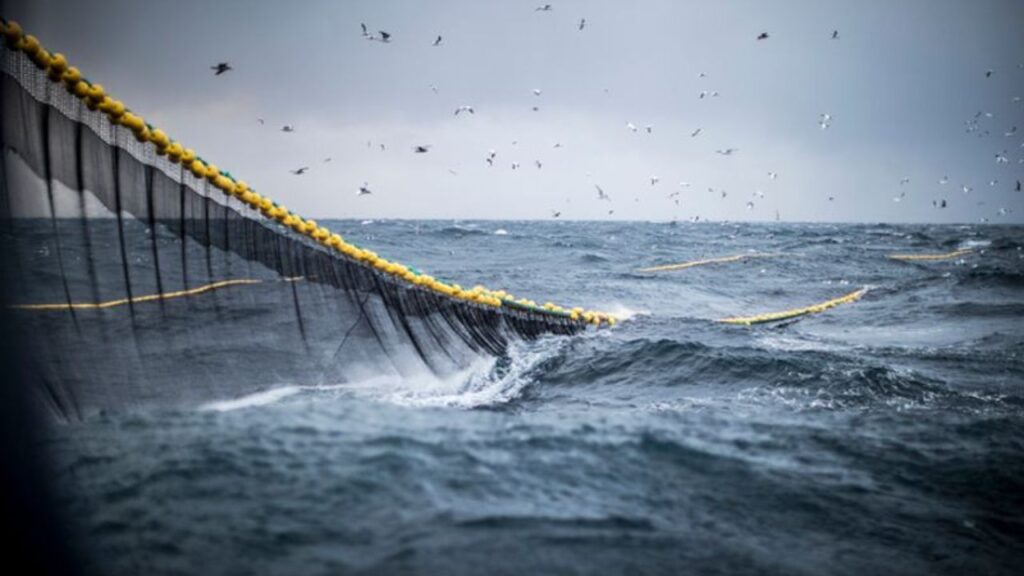

India has formally become a party to the World Trade Organization (WTO) Agreement on Fisheries Subsidies (AFS) after depositing its Instrument of Acceptance on July 20, 2026. The move marks another significant step in India’s commitment to promoting sustainable fisheries while safeguarding the livelihoods of millions of traditional and small-scale fishers.
The Instrument of Acceptance was handed over by Commerce Secretary Rajesh Agrawal to the Director-General of the WTO, making India the 123rd WTO member to ratify the landmark agreement. The decision reinforces India’s support for a rules-based multilateral trading system while aligning with global efforts to conserve marine biodiversity and ensure responsible fishing practices.
Landmark WTO Agreement Focused on Sustainability
The Agreement on Fisheries Subsidies was adopted by consensus during the 12th WTO Ministerial Conference held in Geneva in June 2022. It is widely regarded as the first WTO agreement designed primarily to achieve an environmental sustainability objective.
The agreement officially entered into force on September 15, 2025, after securing acceptance from two-thirds of WTO members. It seeks to curb harmful fisheries subsidies that contribute to illegal fishing, overfishing, and depletion of marine resources.
By discouraging financial support for destructive fishing practices, the agreement aims to protect global fish stocks and preserve marine ecosystems for future generations.
Protecting Small-Scale Fishers
India has emphasized that the agreement aligns well with its fisheries sector, which is dominated by traditional and small-scale fishing communities rather than industrial fishing fleets.
One of the major features of the agreement is the prohibition of subsidies linked to Illegal, Unreported and Unregulated (IUU) fishing and fishing activities targeting overfished stocks. These measures are intended to prevent unsustainable exploitation of marine resources while ensuring that responsible fishing practices receive greater encouragement.
The agreement also addresses concerns over heavily subsidized distant-water fishing fleets operated by some countries. By disciplining such subsidies, it creates a more balanced international fisheries regime, benefiting developing nations like India where fishing activities are largely community-based.
Limited Scope Protects Aquaculture
A key aspect of the agreement is its limited scope. It applies only to marine wild capture fisheries and fishing-related activities conducted at sea. Importantly, aquaculture and inland fisheries remain outside its coverage.
This distinction is particularly beneficial for India because a significant share of its seafood exports comes from aquaculture, especially farmed shrimp. Since shrimp farming is excluded from the agreement, India’s seafood export sector is expected to remain competitive while continuing its growth in international markets.
Officials believe the agreement will also strengthen India’s reputation as a responsible seafood exporter, improving access to premium global markets where sustainability and traceability have become increasingly important purchasing criteria.
Strong Domestic Regulatory Framework
India enters the agreement with an already established fisheries management framework aimed at ensuring sustainable use of marine resources.
Recent policy initiatives include the Sustainable Harnessing of Fisheries in the Exclusive Economic Zone (EEZ) Rules, 2025, and the Guidelines for Sustainable Harnessing of Fisheries in the High Seas by Indian-Flagged Fishing Vessels, 2025. These regulations provide mechanisms for responsible fishing, monitoring, and conservation of marine resources.
In addition, flagship programmes such as the Pradhan Mantri Matsya Sampada Yojana (PMMSY) continue to support infrastructure development, capacity building, technological upgrades, and sustainable fisheries management across the country.
Together, these measures provide a strong institutional and regulatory foundation for implementing the WTO agreement without compromising the interests of traditional fishing communities.
Balancing Conservation and Development
The WTO Agreement on Fisheries Subsidies recognizes the need to balance marine conservation with the developmental priorities of developing and least-developed countries. It therefore incorporates special flexibilities that allow members to pursue legitimate development objectives while improving sustainability.
For India, this balance is particularly important given the fisheries sector’s contribution to food security, employment, exports, and the livelihoods of millions of coastal families.
Government officials have maintained that India’s existing policies are already broadly aligned with the principles of the agreement. As a result, the country is well-positioned to implement its commitments while preserving adequate policy space to support vulnerable fishing communities.
Reinforcing India’s Global Role
India’s acceptance of the WTO Agreement on Fisheries Subsidies highlights its growing role in promoting responsible global trade and environmental stewardship. The move demonstrates the country’s willingness to contribute to international efforts aimed at conserving marine resources while ensuring equitable opportunities for developing economies.
By joining the agreement, India strengthens its credibility as a sustainable seafood producer, supports long-term marine resource conservation, and reaffirms its commitment to a transparent, rules-based global trading system with the WTO at its core. The development is expected to enhance India’s standing in global trade while ensuring that sustainability and livelihood protection remain central to the future of its fisheries sector.

Author: Shivam
Proficient Writer Contact: [email protected]