
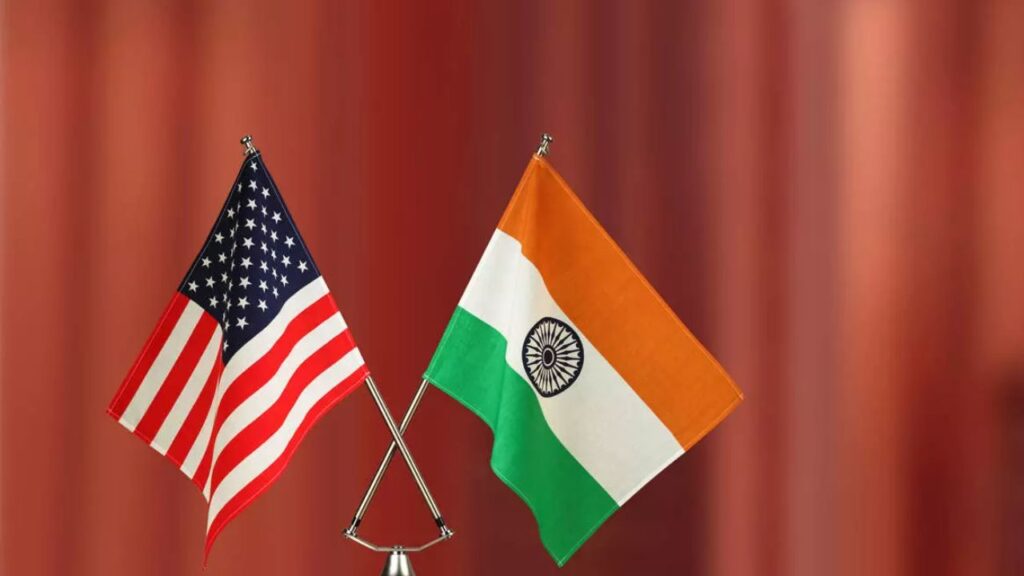

The United States Trade Representative (USTR) has announced the final measures under Section 301 of the U.S. Trade Act, 1974, imposing an additional 10 per cent ad valorem duty on certain imports from India. The decision follows an investigation into the policies and practices of 60 economies concerning restrictions on the importation of goods allegedly linked to forced labour.
The final measures, announced on 23 July 2026, mark a reduction from the 12.5 per cent additional duty initially proposed by the USTR on 2 June 2026. India’s sustained engagement with the U.S. administration during the investigation helped secure a lower tariff category compared to several other economies examined under the process.
India’s Engagement Helps Reduce Tariff Impact
Throughout the USTR investigation, the Government of India actively participated through detailed written submissions, consultations and public hearings. Indian officials highlighted the country’s commitment to eliminating forced labour practices and ensuring compliance with international labour standards.
The government’s continued dialogue with U.S. authorities resulted in India being placed in the lower tier of additional tariffs under the final Section 301 measures. This provides Indian exporters with a relative advantage compared to exporters from several other countries facing higher tariff implications.
The Ministry of Commerce and Industry stated that India will continue to engage constructively with the United States to address trade-related concerns and strengthen bilateral economic cooperation.
Major Export Categories Remain Exempt
A significant portion of India’s exports to the United States will remain unaffected by the newly announced additional duty. Key export segments, including generic pharmaceuticals, smartphones and certain other specified products, have been kept outside the scope of the additional 10 per cent tariff.
Additionally, products already covered under Section 232 measures, such as steel, aluminium and auto parts, will not face the additional Section 301 duty. Section 232 tariffs are applied broadly across countries, with limited exceptions.
Due to these exemptions, around 45 per cent of India’s exports to the U.S. market are expected to remain outside the scope of the new additional duty. The remaining 55 per cent of exports will attract the additional 10 per cent tariff.
The government noted that India’s overall tariff burden under the new measures remains comparatively lower than that faced by most other economies included in the USTR investigation.
Textile Sector Mechanism Yet to Be Operationalised
The final USTR measures also refer to a textile-specific mechanism; however, the framework has not yet been established or implemented. India continues to engage with U.S. authorities on this issue as part of ongoing discussions under the proposed India-U.S. Bilateral Trade Agreement (BTA).
The textile sector is among India’s major export industries, with significant shipments of garments, fabrics and made-up textile products to the American market. Industry stakeholders are closely monitoring developments related to the proposed mechanism and its potential impact on future trade flows.
Focus on India-U.S. Bilateral Trade Agreement
The Government of India reiterated its commitment to strengthening economic ties with the United States and working towards the early conclusion of the India-U.S. Bilateral Trade Agreement.
The negotiations are being pursued in line with the announcement made on 2 February 2026 and the Joint Statement issued on 7 February 2026. Both countries have expressed interest in expanding market access, improving trade facilitation and enhancing cooperation across key sectors.
The latest Section 301 decision comes at a time when India and the U.S. are working to deepen their strategic and economic partnership. While the additional duty may create challenges for some exporters, government officials believe the negotiated outcome provides a more favourable position for Indian businesses compared to the initial proposal.
With continued bilateral engagement, both sides are expected to work towards resolving outstanding trade concerns and creating a more predictable framework for future commerce between the two countries.

Author: Shivam
Proficient Writer Contact: [email protected]