
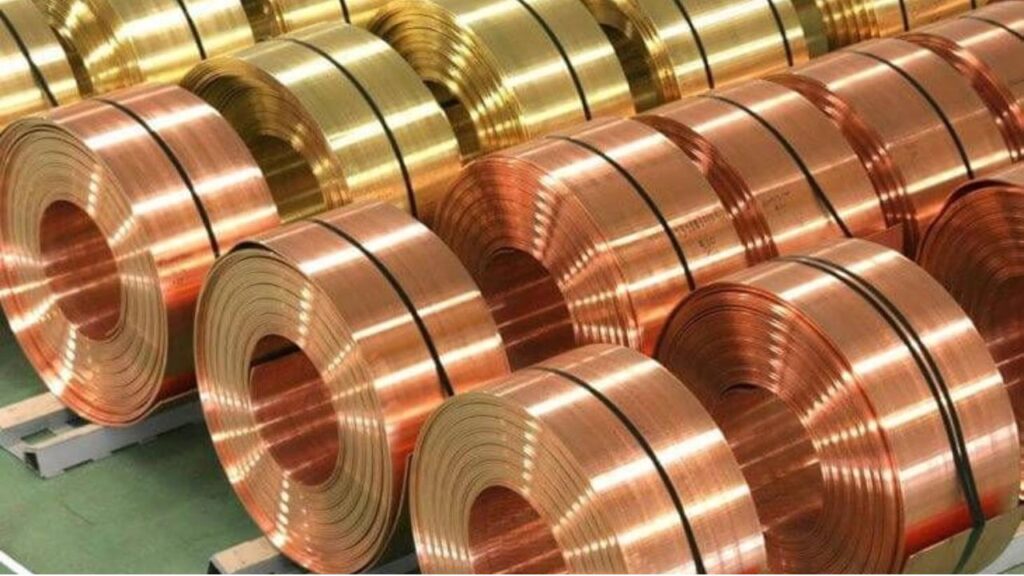

Rising copper prices are prompting global automakers and manufacturers to increasingly adopt aluminium wiring as a cost-effective and lightweight alternative, marking a significant shift in material choices across the automotive and industrial sectors.
The transition is being driven by soaring copper costs, growing demand for electric vehicles (EVs), and the need to improve energy efficiency without compromising performance. Major automakers, including Ferrari, BMW, Tesla, Stellantis, and several Chinese EV manufacturers, are expanding the use of aluminium conductors in new vehicle models as they seek to balance cost savings with technical advantages.
Copper has traditionally been the preferred material for automotive electrical systems because of its superior electrical conductivity. However, aluminium is emerging as a practical substitute due to its substantially lower cost and lighter weight. Although aluminium provides around 61 per cent of copper’s electrical conductivity, it costs roughly one-fourth as much. Manufacturers can compensate for the lower conductivity by using slightly thicker aluminium cables, making it a commercially attractive option in many vehicle applications.
Weight reduction has become an increasingly important factor, particularly in electric vehicles where lower vehicle mass directly contributes to greater battery efficiency and extended driving range. Copper is approximately 3.3 times heavier than aluminium, making the lighter metal an effective solution for improving overall vehicle performance while reducing energy consumption.
Luxury sports car manufacturer Ferrari has been among the early adopters of this trend. The company first introduced aluminium wiring in its 296 Hybrid sports car last year and has since expanded its use to additional models, including its recently launched Luce electric vehicle. According to Ferrari, the transition has resulted in a 15 to 20 per cent reduction in wiring weight.
Ferrari’s Head of Research and Development, Dario Esposito, stated that while aluminium offers cost benefits, the company’s primary motivation was achieving technical improvements through weight reduction. Lower wiring weight contributes to enhanced vehicle dynamics and greater efficiency, particularly in high-performance electric vehicles.
BMW has also significantly expanded its use of aluminium conductors across both high-voltage and low-voltage electrical systems following the introduction of its sixth-generation eDrive technology last year. The German automaker first began incorporating aluminium conductors into selected vehicle models in 2011 and has steadily increased their use across hybrid and electric vehicle platforms as technology has advanced.
Industry sources indicate that the transition extends well beyond premium automakers. Global automotive group Stellantis has reportedly begun replacing copper wiring with aluminium in selected applications. Several Chinese electric vehicle manufacturers, including AVATR, XPeng, and Xiaomi, have also adopted aluminium wiring in some models. Tesla is similarly using aluminium conductors in selected vehicles as part of broader efforts to optimise weight and manufacturing costs.
The growing use of aluminium is not limited to the automotive industry. Manufacturers across industrial sectors are increasingly evaluating aluminium as a substitute for copper as raw material costs continue to rise.
Norwegian aluminium producer Hydro has reported increasing demand for aluminium heat exchangers and piping systems, reflecting broader industrial adoption. Meanwhile, cable manufacturer Nexans noted that aluminium becomes commercially attractive once copper prices reach approximately 3.5 times the price of aluminium, a threshold that has already been exceeded in current market conditions, with the price ratio now standing above 4.2.
The long-term outlook suggests that aluminium substitution will continue to gain momentum as global demand for copper intensifies. Copper consumption is expected to rise sharply due to rapid investments in renewable energy infrastructure, electric mobility, data centres, and power grid modernisation. These sectors require large quantities of copper, placing sustained pressure on global supplies and prices.
Market analysts believe this dynamic will encourage manufacturers to identify applications where aluminium can effectively replace copper without sacrificing performance or safety.
According to JPMorgan, aluminium could replace approximately 2 per cent of global annual copper demand this year. That figure is projected to increase to nearly 6 per cent by 2030 as industries accelerate electrification while seeking lower-cost alternatives to increasingly expensive copper.
As material costs reshape manufacturing strategies worldwide, aluminium is emerging as a strategic component in the next generation of vehicles and industrial equipment, offering a balance of affordability, lighter weight, and growing technological acceptance.