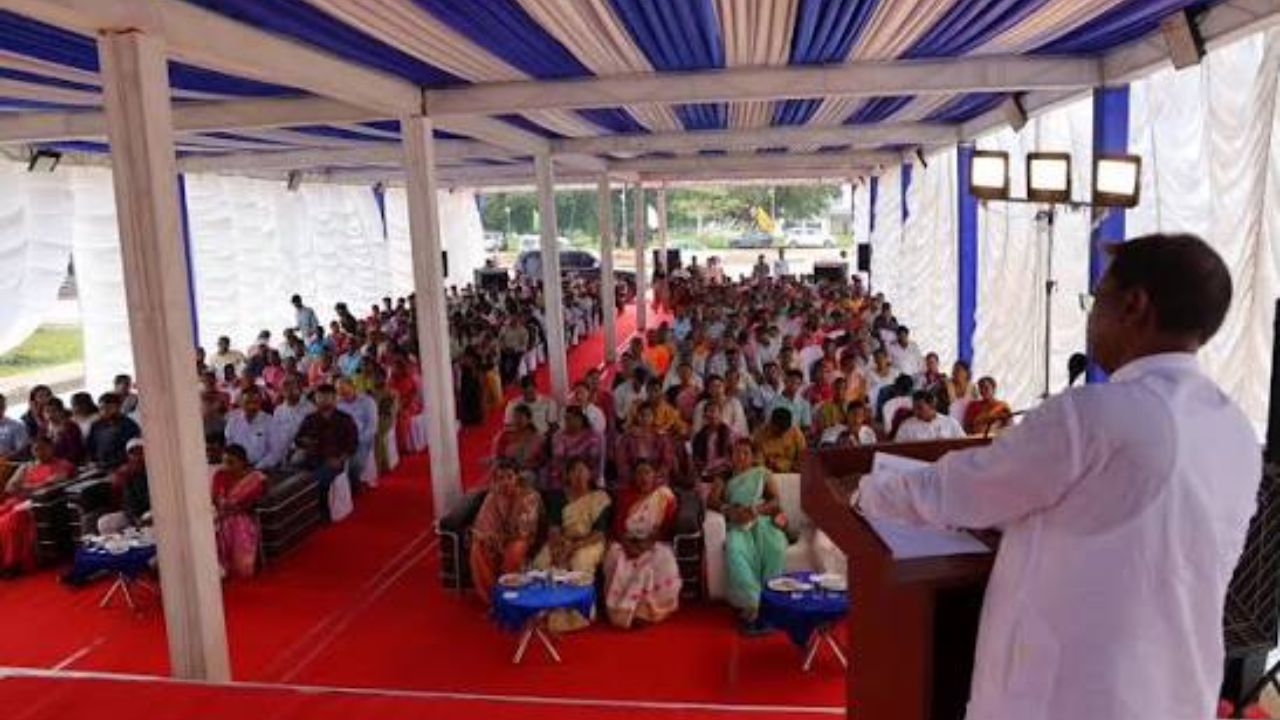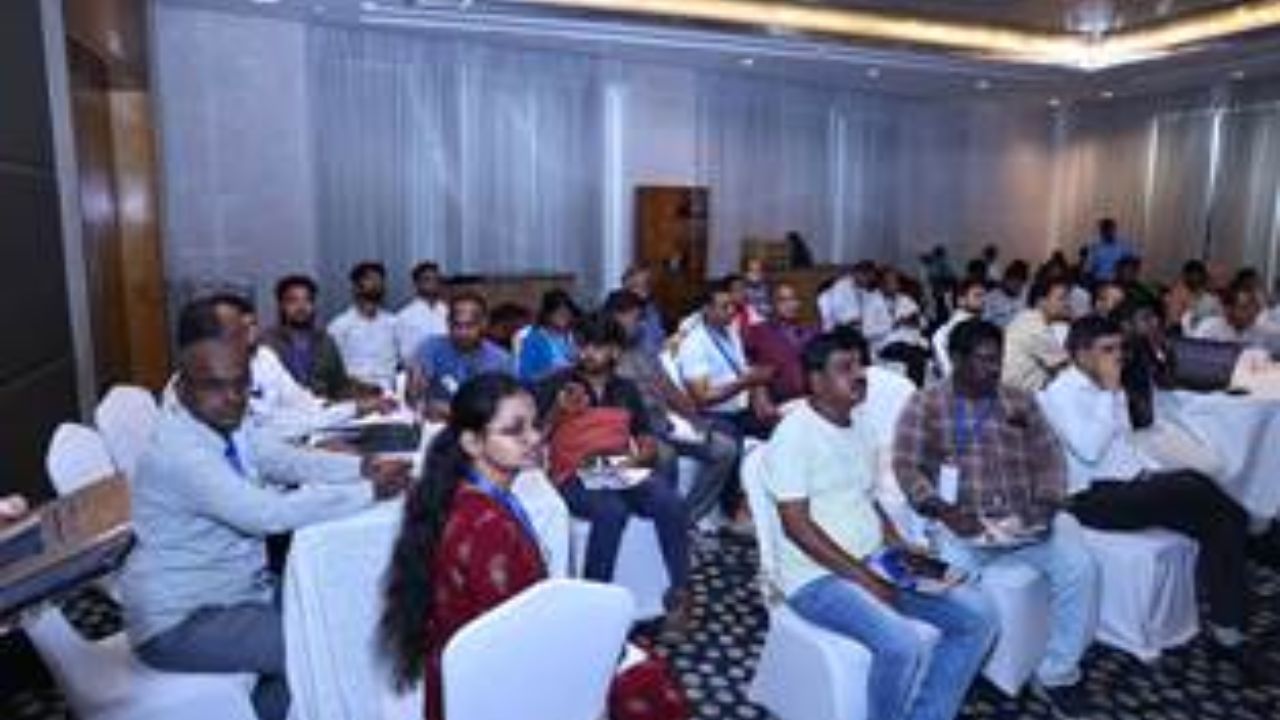
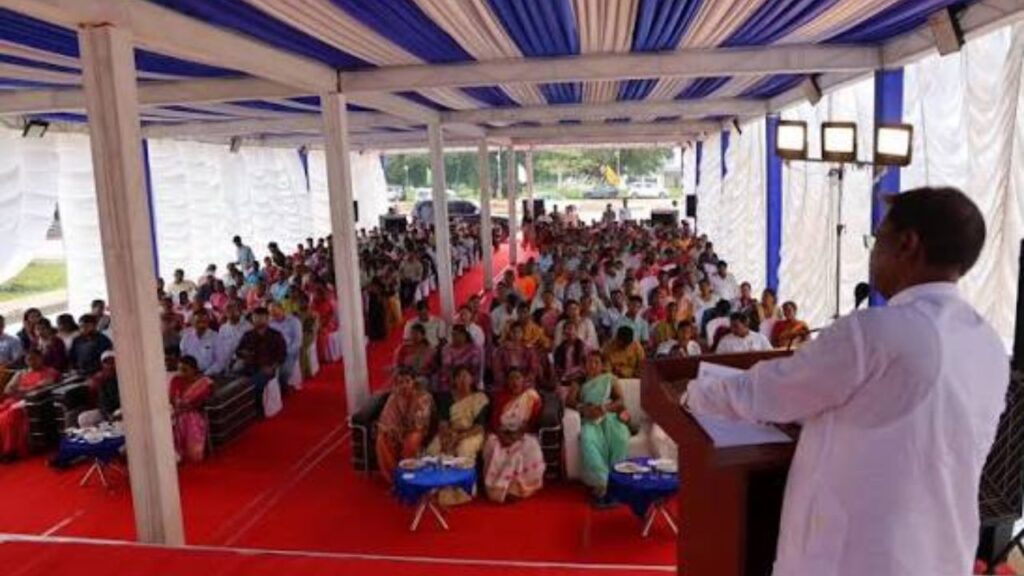

The ICAR–Indian Institute of Agricultural Biotechnology (ICAR-IIAB), Garhkhatanga, Ranchi, organised a Pre-Rabi Kisan Goshti-cum-Agricultural Input Distribution Programme on October 8, 2026, to promote scientific farming, strengthen farmer–scientist interaction and support agricultural development in Jharkhand. Conducted under the Scheduled Caste Sub-Plan (SCSP) and Tribal Sub-Plan (TSP), the programme brought together around 1,500 farmers from Ranchi, Khunti, Gumla and Ramgarh districts.
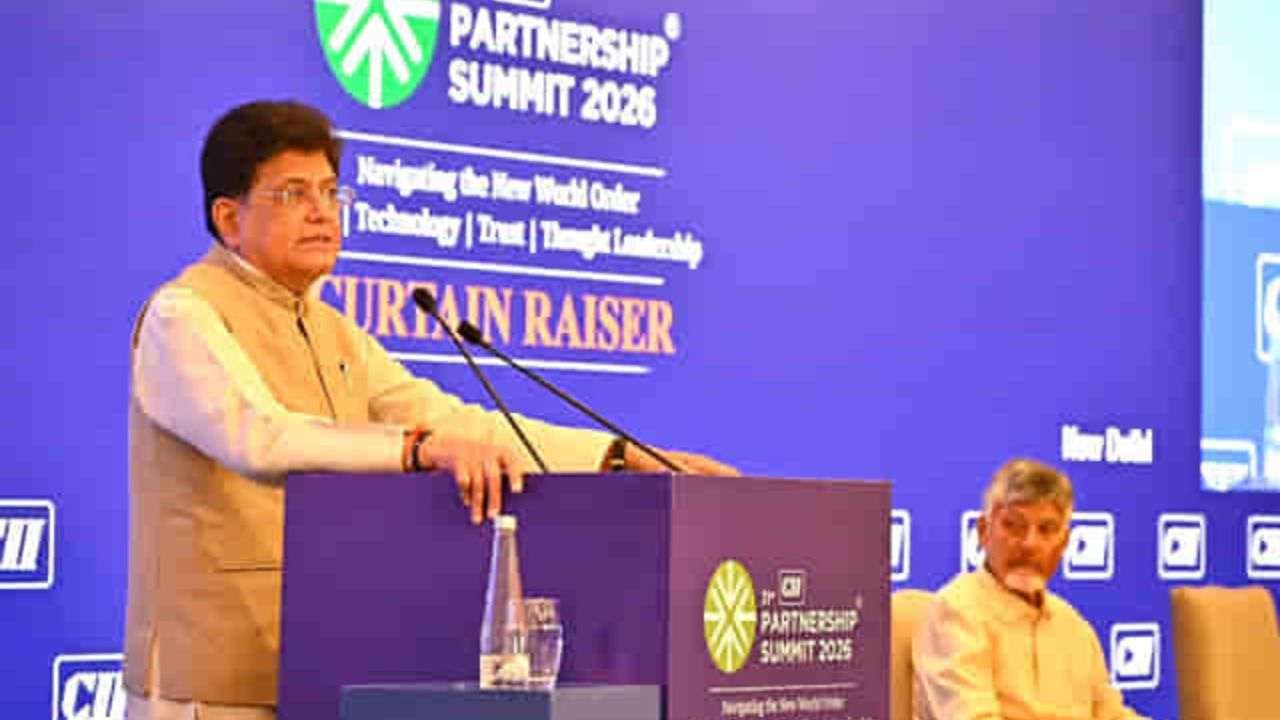
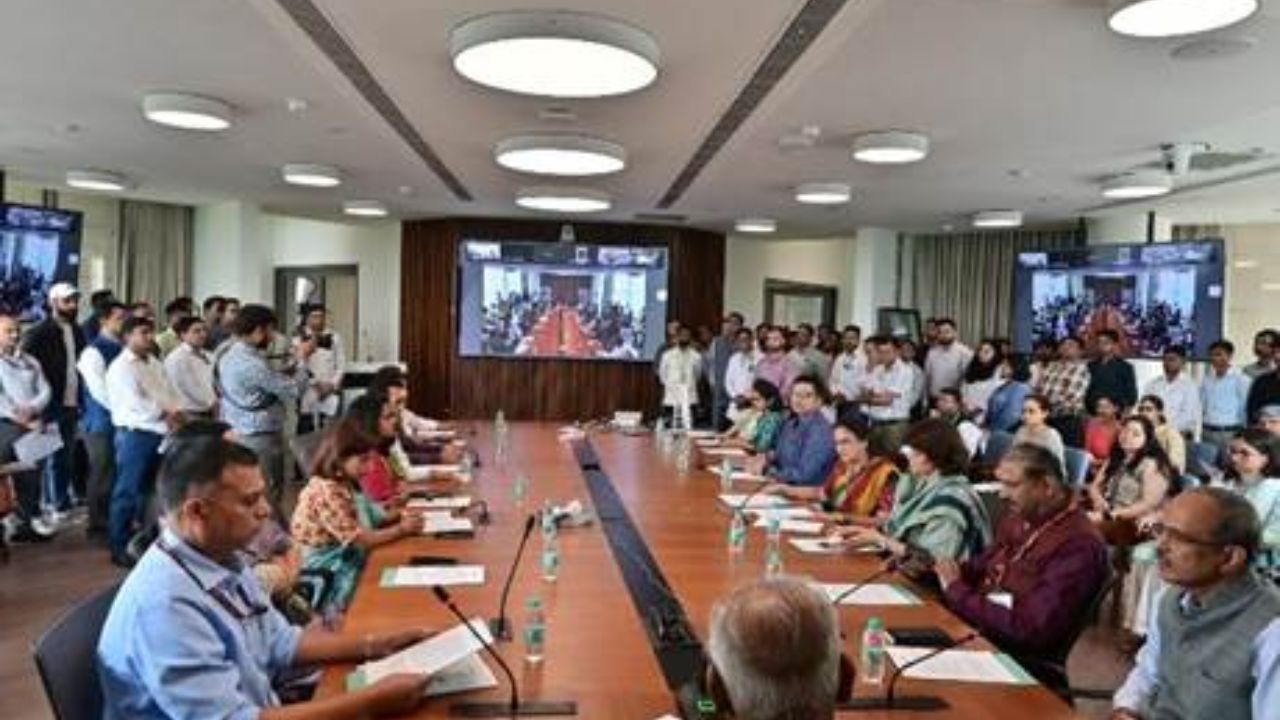
Union Minister of Agriculture and Farmers’ Welfare Shivraj Singh Chouhan inaugurated several new facilities at ICAR-IIAB through video conferencing. The facilities included the Admin-cum-School Building, Birsa Munda Multipurpose Hall, Jaipal Singh Munda Sports Complex and NEXTGEN Breeding Facility. He also laid the foundation stone for a new guest house at the institute. The total investment associated with these facilities and the guest house was stated to be Rs 119 crore.
Focus on Scientific and Sustainable Agriculture
Addressing the gathering, Chouhan highlighted the need to combine traditional agricultural knowledge with modern scientific techniques to improve farm productivity and farmers’ incomes. He stressed the importance of improved seed varieties, integrated farming systems, balanced nutrient management and agricultural technologies suited to Jharkhand’s local soil and climatic conditions.
The Union Minister called for timely availability of quality seeds and stronger efforts to transfer agricultural innovations from research laboratories to farmers’ fields. He also urged authorities to protect farmers from counterfeit seeds, adulterated fertilisers and substandard pesticides.
Emphasising preparations for the upcoming Rabi season, Chouhan encouraged scientists to expand farmer awareness and field-level extension activities. He also called for a nationwide Khet Bachao Abhiyan to promote agricultural awareness and safeguard farmers’ interests. Effective implementation of government welfare schemes, he added, was essential to ensure that their benefits reached farming communities in every village.
Union Minister of State for Agriculture and Farmers’ Welfare Bhagirath Choudhary also underscored the contribution of farmers to national food security and economic development. He encouraged the adoption of modern agricultural technologies, soil testing, balanced fertiliser application and value addition. Strengthening Farmer Producer Organisations (FPOs) and Krishi Vigyan Kendras (KVKs) was identified as important for improving farmers’ access to knowledge, markets and support services.
Choudhary further encouraged farmers to explore natural farming on a portion of their cultivated land and highlighted the need to prevent the circulation of spurious agricultural inputs.
Strengthening Agricultural Research in Eastern India
Dr. M. L. Jat, Secretary of the Department of Agricultural Research and Education (DARE) and Director General of ICAR, highlighted eastern India’s potential for agricultural transformation. He stressed the need for research and extension programmes that address the region’s specific farming challenges, including acidic soils and phosphorus deficiency.
He also called for wider adoption of Rice-Fallow Intensification, suitable crop and variety selection, improved livestock productivity and appropriate farming strategies for the Rabi season. Natural and organic farming practices were highlighted as additional areas for sustainable agricultural development.
Dr. D. K. Yadav, Deputy Director General (Crop Science), ICAR, emphasised the importance of aligning agricultural research with farmers’ needs and ensuring that proven technologies reach rural communities. He also highlighted the role of agricultural education, student development and research guidance in building future scientific capacity.
Demonstration of Technologies and Distribution of Farm Inputs
During the programme, Choudhary and senior ICAR officials visited the institute’s Dairy Farm, Crop Research and Training Centre, NEXTGEN Breeding Facility and Integrated Farming System (IFS) Unit. At the dairy facility, they received information about embryo transfer technology for livestock genetic improvement. At the IFS Unit, officials interacted with farmers and learned about agricultural waste recycling, resource efficiency and integrated farming practices.
A plantation drive, farmer interactions and an exhibition showcasing crop varieties, livestock technologies, research achievements and government schemes were also organised.
The Kisan Goshti covered FPO development, dairy farming, ethno-veterinary medicines, fruit production, integrated pest management in Rabi crops, crop diversification, organic and natural farming, livestock nutrition and lac cultivation.
Participating farmers received agricultural and livestock inputs, including Nano Urea, Nano DAP, mineral mixtures, improved seeds, wheat, pea, mustard and vegetable seed kits. A milk can cooler and high-yielding tomato and brinjal seeds were also distributed.
The programme additionally featured the release of publications and technologies developed by ICAR institutions. Former officials who had contributed to ICAR-IIAB’s development were honoured for their service.
Concluding the event, ICAR-IIAB Director Dr. Sujay Rakshit thanked the dignitaries, farmers, scientists and other participants. The programme reaffirmed the institute’s commitment to connecting agricultural research with practical farm-level solutions and promoting sustainable livelihoods for farmers across Jharkhand.
Also Read: India, Ghana Strengthen Agricultural Cooperation Through New Five-Year ICAR-CSIR-CRI MoU

Author: Shivam
Proficient Writer Contact: [email protected]