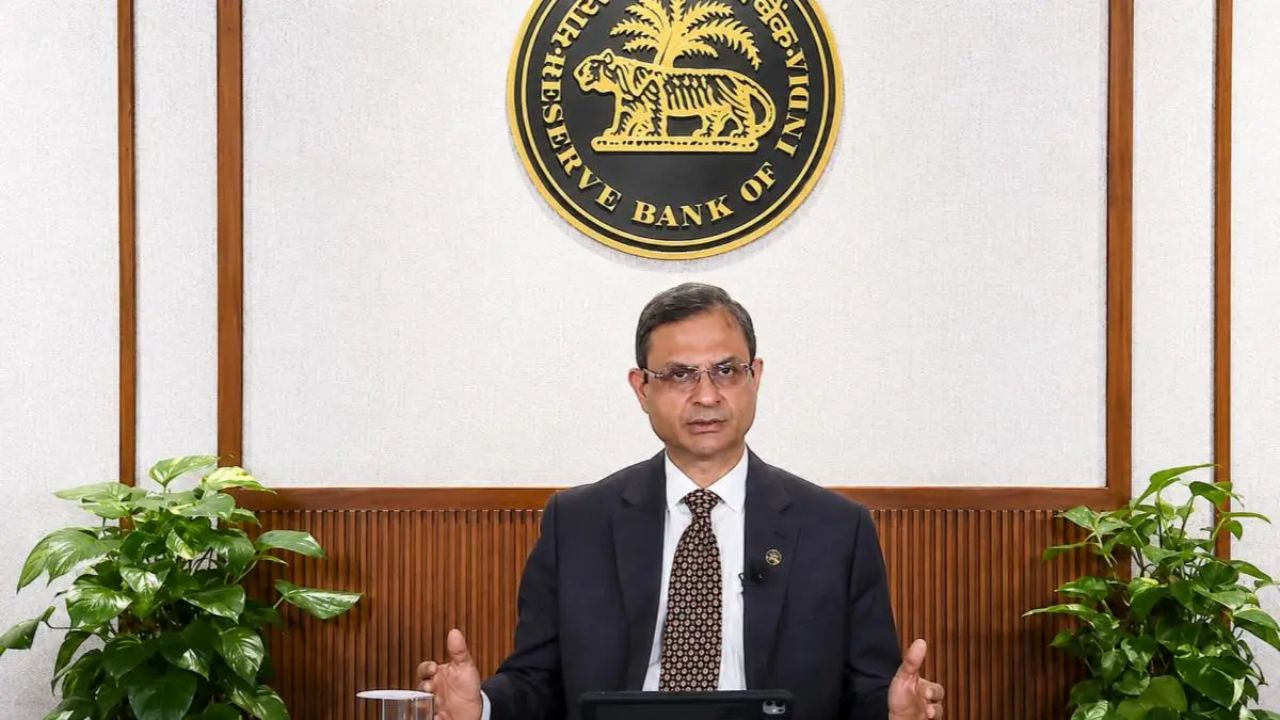
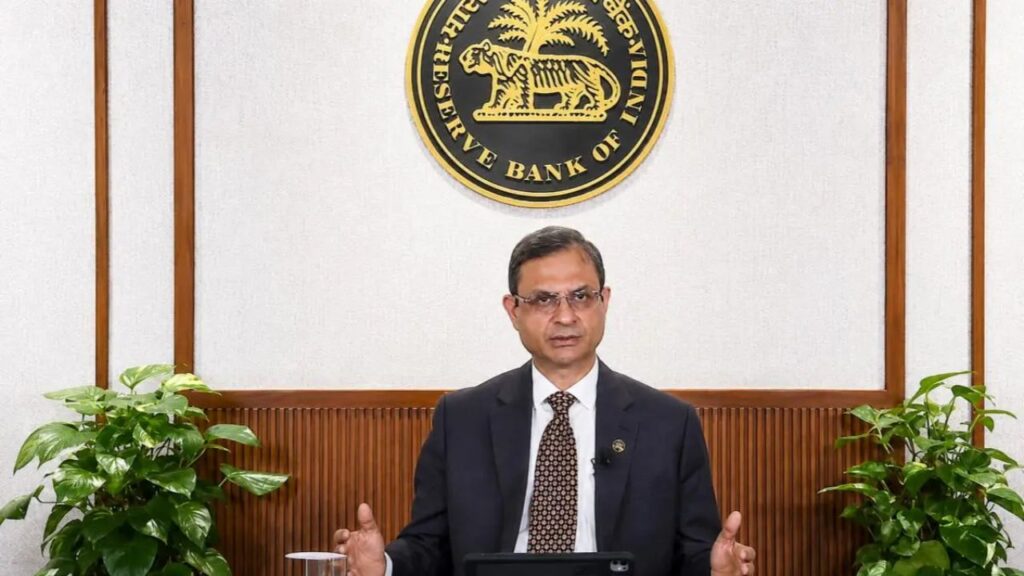

The Reserve Bank of India (RBI) has raised the policy repo rate by 25 basis points to 5.50 per cent, marking its first increase in more than three years as the central bank responds to renewed inflationary pressures. The Monetary Policy Committee (MPC) unanimously approved the rate hike at its 63rd meeting held from October 5 to 7, 2026, under the chairmanship of RBI Governor Sanjay Malhotra.
Along with the repo rate increase, the RBI changed its monetary policy stance from “neutral” to “calibrated tightening”. The move indicates that the central bank is currently prioritising inflation control and does not see room for rate cuts in the immediate future.
Following the decision, the Standing Deposit Facility (SDF) rate has been increased to 5.25 per cent, while the Marginal Standing Facility (MSF) rate and Bank Rate have been placed at 5.75 per cent.
The latest hike is the first increase since February 2023, when the repo rate was raised from 6.25 per cent to 6.50 per cent. Between April 2022 and February 2023, the RBI had raised the benchmark rate six times as it responded to inflationary pressures following the Russia-Ukraine conflict.
Inflation emerges as key concern
The MPC highlighted a deterioration in the inflation outlook compared with the previous year. Consumer Price Index (CPI) inflation increased to 4.8 per cent in August from 4.5 per cent in July, with food and fuel prices contributing significantly to the rise.
Food inflation has become broader, with prices of commodities such as sugar and onions witnessing notable increases. Core inflation also accelerated to 4.2 per cent in August from 3.9 per cent in each of the previous three months.
The RBI has projected headline CPI inflation at 5.2 per cent for 2026-27. Inflation is estimated at 4.9 per cent in the second quarter, 6 per cent in the third quarter and 5.7 per cent in the fourth quarter. Core inflation for the financial year is projected at 4.4 per cent.
The central bank cautioned that an uneven southwest monsoon, strong El Niño conditions and volatility in crude oil and other commodity prices could keep inflationary pressures elevated.
Rate cuts unlikely in near term
The shift to calibrated tightening sends a clear signal about the direction of monetary policy. Under the current assessment, the RBI indicated that future policy action is likely to be limited to either further rate increases or a pause, depending on developments in inflation and economic growth.
Governor Sanjay Malhotra said the pace and duration of any potential rate-hike cycle would depend on the persistence of inflation, the spread of price pressures across the economy and the possibility of second-round effects.
Two MPC members, Nagesh Kumar and Ram Singh, preferred retaining the neutral stance.
RBI maintains confidence in economic growth
Despite global uncertainties, the RBI retained a strong outlook for India’s economy. Real GDP growth in the first quarter of 2026-27 stood at 7.8 per cent, supported by private consumption, investment, merchandise exports and robust services activity.
The RBI has raised its GDP growth forecast for 2026-27 to 7.1 per cent, an upward revision of 40 basis points. Growth is projected at 7.2 per cent in Q2, 6.9 per cent in Q3 and 6.8 per cent in Q4.
The central bank expects sustained services activity, government infrastructure spending, strong credit growth and improving private investment to support domestic demand.
Global risks remain significant
The escalation of the West Asia conflict since September has increased volatility in crude oil prices and global financial markets. Higher global bond yields, a stronger US dollar, trade uncertainties and concerns over public debt are also creating external risks.
The RBI noted that deficient monsoon conditions and higher energy prices could pose additional challenges to inflation and rural demand.
RBI announces financial-sector measures
The RBI also announced measures aimed at strengthening financial-market infrastructure. It will enable interoperability among NBFC account aggregators and facilitate SEBI-regulated depositories in incorporating deposit-account information into consolidated account statements.
The measures are expected to be implemented by December 31, 2026. In addition, the RBI will establish a Technical Consultative Committee for Financial Markets to facilitate structured discussions with market participants on policy and operational issues.
The minutes of the latest MPC meeting will be released on October 21, while the next monetary policy meeting is scheduled for December 2 to 4, 2026.
Also Read: DFS Reviews Financial Inclusion Progress, Urges Banks to Expand Digital Outreach

Author: Shivam
Proficient Writer Contact: [email protected]