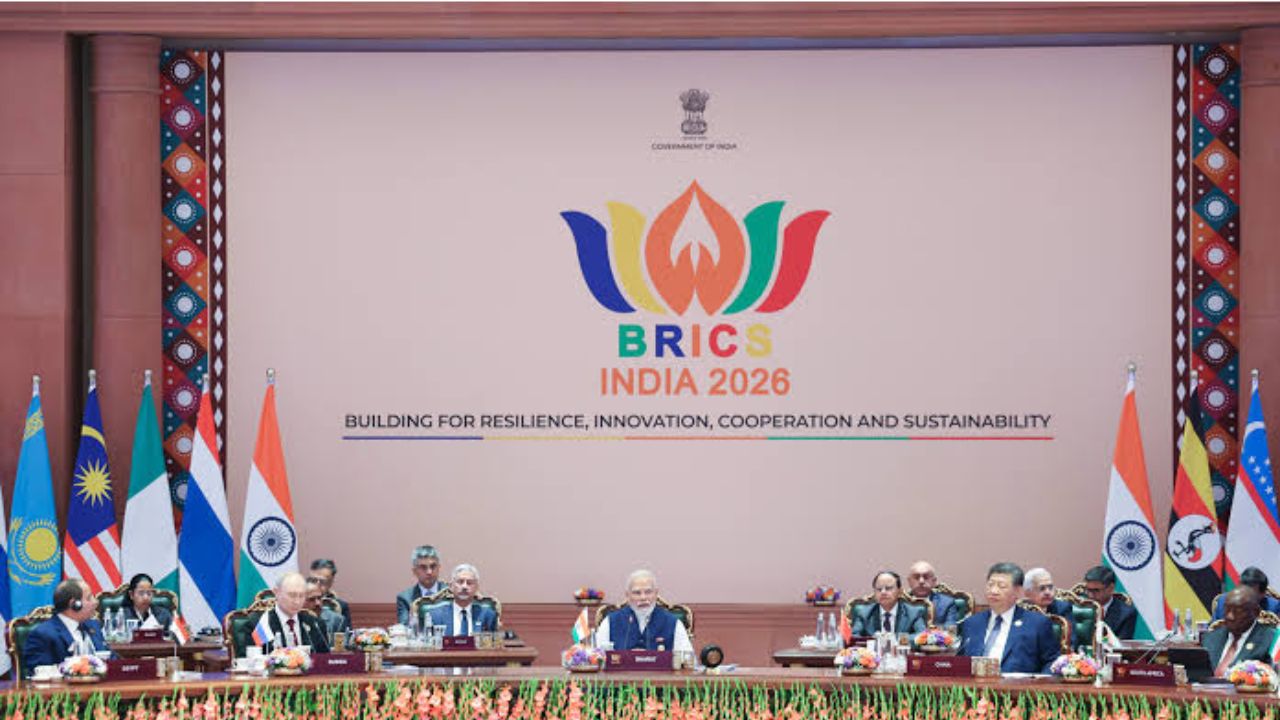
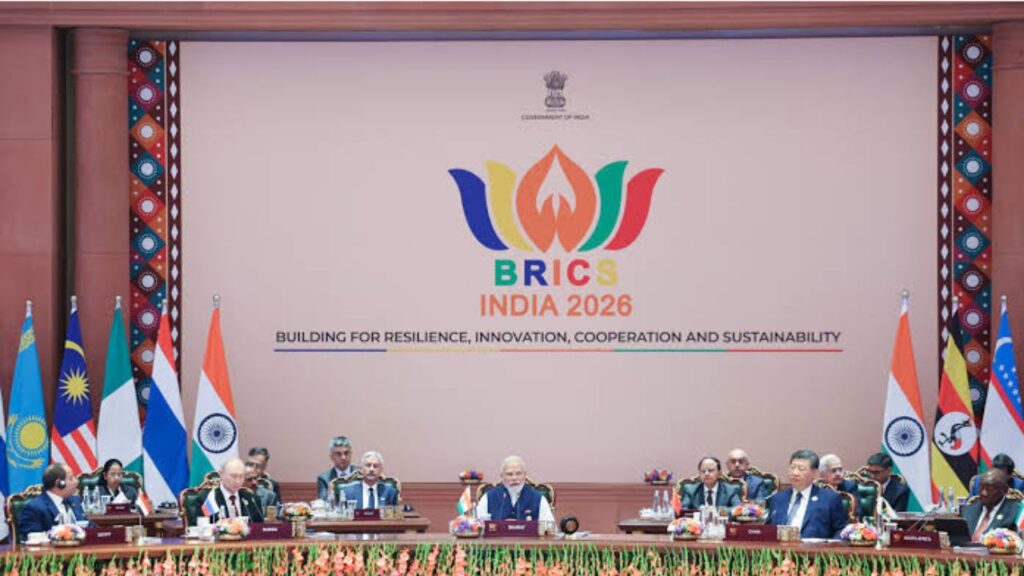

The 18th BRICS Summit has strengthened international cooperation in Traditional, Complementary and Integrative Medicine (TCIM), with the adoption of the New Delhi Declaration highlighting the growing role of traditional medicine in strengthening health systems and advancing Universal Health Coverage (UHC).
A major development under the Declaration is the welcome accorded to the proposed establishment of a BRICS Expert Working Group on Traditional, Complementary and Integrative Medicine under the BRICS Health Track. The proposed group is expected to provide a structured platform for BRICS Member States to exchange knowledge, promote collaboration and advance research and evidence-based approaches in traditional medicine.
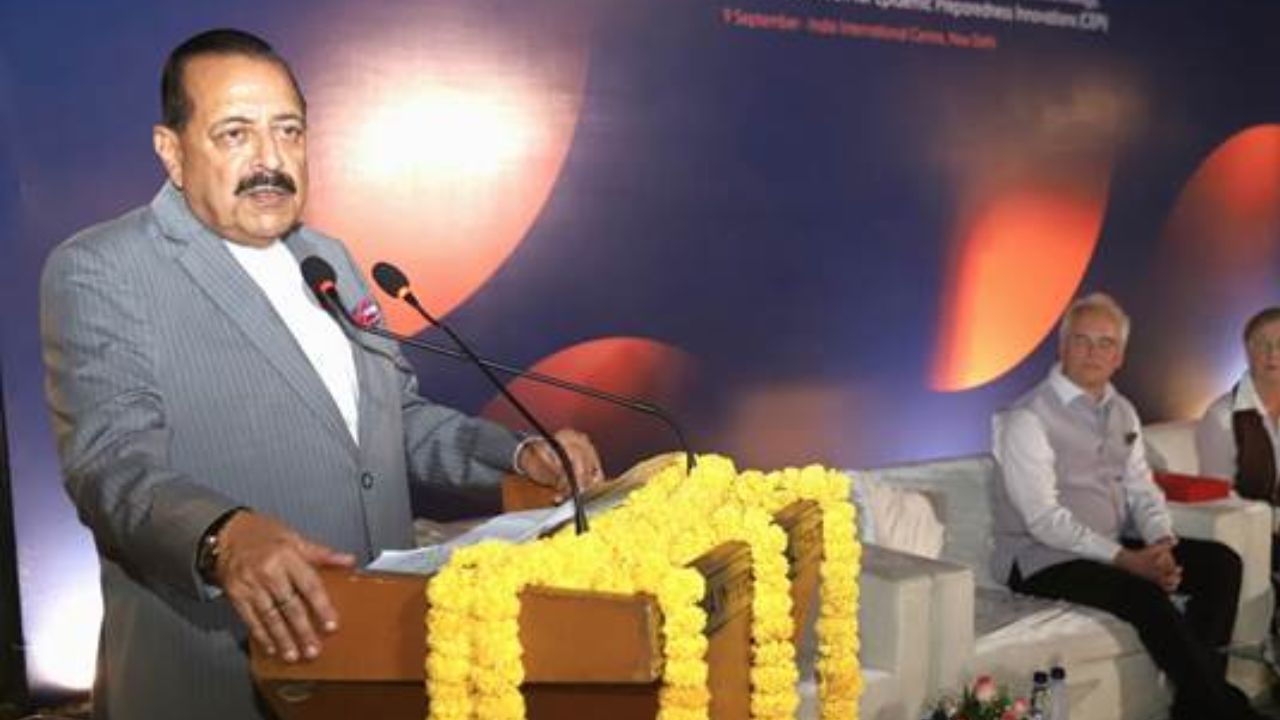
Union Minister of State (Independent Charge), Ministry of Ayush, and Minister of State for Health & Family Welfare, Shri Prataprao Jadhav, said that the recognition of TCIM in the New Delhi Declaration represents an important step towards expanding global cooperation in traditional medicine. He noted that the proposed Expert Working Group could facilitate knowledge sharing, research cooperation and the development of evidence-based practices.
India, he said, remains committed to promoting Ayurveda and other traditional systems through scientific research, quality assurance and international partnerships, with the objective of contributing to safe, effective and affordable healthcare.
Secretary, Ministry of Ayush, Vaidya Rajesh Kotecha, also emphasised the importance of structured cooperation among BRICS nations. According to him, the proposed Working Group could provide a focused mechanism for sharing scientific evidence, strengthening collaborative research and improving quality and regulatory approaches related to TCIM.
The New Delhi Declaration places particular emphasis on cooperation in research involving medicinal plants and herbal preparations used for therapeutic and preventive purposes. It recognises the traditional pharmacopoeias shared across BRICS countries as a potential foundation for developing safe, effective and affordable therapeutic products.
Such collaboration could help BRICS nations improve the documentation of traditional knowledge, undertake coordinated scientific studies and generate stronger evidence on medicinal resources and herbal preparations. It could also support the responsible development of quality-assured therapeutic products.
The Declaration further underlines the importance of maintaining quality, safety and efficacy in TCIM practices and products through evidence-informed approaches and suitable regulatory frameworks that take account of the national circumstances of individual Member States.
This emphasis could encourage greater exchange of expertise in areas including research methodologies, pharmacopoeial standards, quality control, regulatory systems and scientific validation. It may also help strengthen public and institutional confidence in traditional medicine by placing evidence and safety at the centre of international cooperation.
The latest development builds on the BRICS Meeting on Traditional, Complementary and Integrative Medicine held in Chandigarh on July 21, 2026, during India’s BRICS Chairship. The meeting brought together government representatives, technical experts and delegates from BRICS countries to discuss cooperation in research, education, knowledge exchange and regulatory frameworks. Participants also reached consensus on the Terms of Reference for the proposed Expert Working Group.
The initiative could further institutionalise cooperation by connecting research organisations, academic institutions, policymakers and traditional medicine experts across BRICS nations.
For India, the move carries particular significance as it supports the country’s efforts to expand the international role of Ayurveda and the broader Ayush ecosystem through scientific research, evidence generation, quality assurance and international collaboration.
The focus on medicinal plants and herbal preparations also offers opportunities for joint scientific and technical work, including improved documentation, pharmacopoeial development and research into quality-assured therapeutic products.
The initiative comes amid increasing global attention to the responsible integration of traditional medicine into health systems. The WHO Global Traditional Medicine Strategy 2025–2034 emphasises strengthening evidence, ensuring safety and quality, and supporting appropriate integration of traditional medicine into healthcare.
By bringing TCIM into the BRICS Health Track and linking it with UHC, research, evidence, safety, quality and efficacy, the New Delhi Declaration provides a framework for sustained cooperation. For India, it also creates a stronger international platform for Ayurveda and Ayush systems to contribute to global discussions on preventive healthcare, evidence-based traditional medicine and resilient health systems.
Also Read: Designer Atelier Exhibition Showcases India’s Textile Heritage and Contemporary Fashion

Author: Shivam
Shivam Dwivedi is a senior journalist with extensive experience in research-driven journalism, policy communication, and multi-platform storytelling. His areas of interest include international relations, defence, science & technology, education, urban development, agriculture, spirituality, and environmental sustainability. His work focuses on in-depth analysis, public discourse, and impactful narratives across governance and development sectors, with a strong commitment to the Sustainable Development Goals (SDGs). Contact: [email protected]