
The Department of Expenditure, Ministry of Finance, has launched Special Campaign 6.0 with the objective of strengthening cleanliness practices, improving workplace management and accelerating the disposal of pending references. The campaign will be implemented in two phases, with the preparatory phase scheduled from September 15 to 30, 2026, followed by the main implementation phase from October 2 to 31, 2026.
The initiative is aimed at making Swachhata an integral part of routine administrative functioning while ensuring that pending matters are addressed within defined timelines. The Department has called upon its divisions and organizations under its administrative control to actively participate in the campaign and identify specific targets that can be taken up during the implementation period.
Organizations participating in Special Campaign 6.0 include the Controller General of Accounts (CGA), Chief Adviser (Cost), Central Pension Accounting Office (CPAO), and Arun Jaitley National Institute of Financial Management (AJNIFM). Officials and staff across these organizations have been sensitized about the objectives of the campaign and the activities to be undertaken.
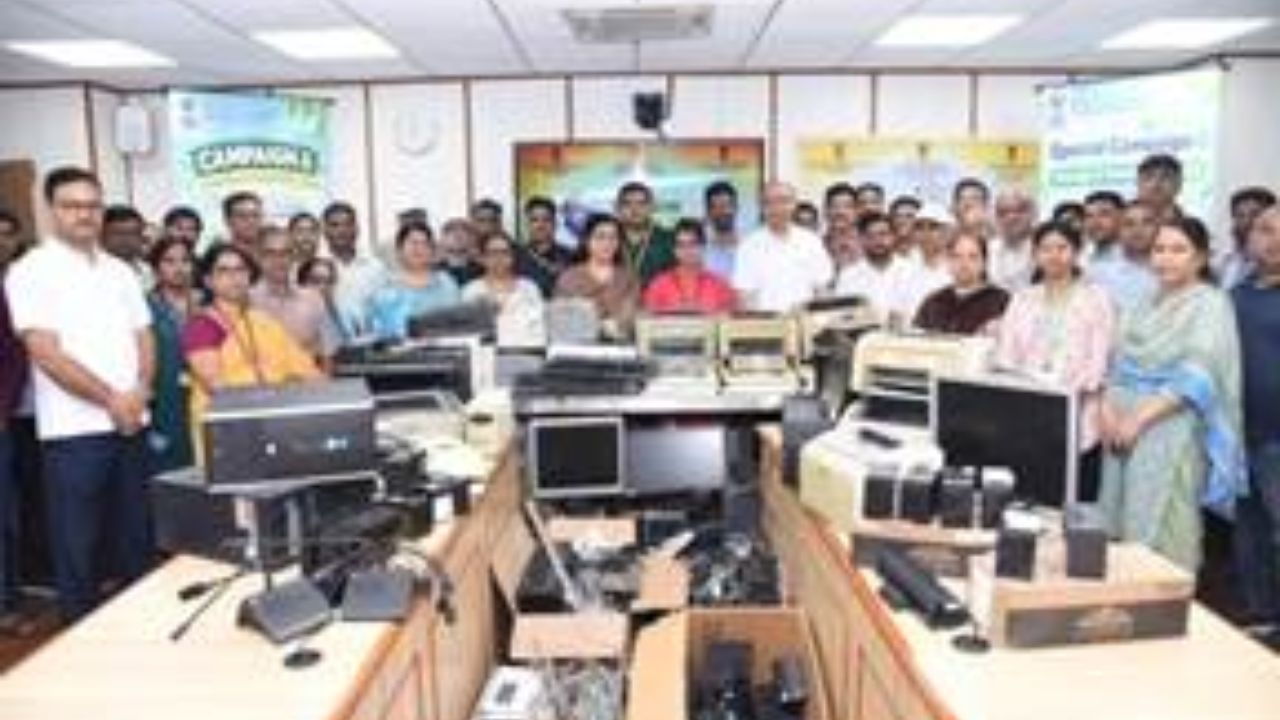
During the preparatory phase, the participating divisions and organizations are focusing on identifying areas requiring intervention. The targets broadly cover workplace cleanliness, better utilization of available space, disposal of scrap, systematic management of records and the early resolution of pending references. These preparatory activities are intended to create a clear action plan and ensure that the implementation phase produces measurable outcomes.
The Department has also drawn on the experience of Special Campaign 5.0, which was conducted from October 2 to 31, 2025. According to the Department, the efforts undertaken during the previous campaign continued after its formal conclusion and contributed to reducing pendency across several categories of references and public service-related matters.
Between December 2025 and August 2026, the Department recorded significant disposal and resolution figures. During this period, 57 Members of Parliament (MP) references were disposed of. The Department also furnished comments on 339 Inter-Ministerial References related to Cabinet Notes. In addition, 1,123 references received from State Governments were addressed.
The campaign’s focus on public service delivery was reflected in the disposal of grievances as well. A total of 2,788 public grievances were redressed between December 2025 and August 2026, while 141 appeals relating to public grievances were also resolved. These figures indicate the continued emphasis on clearing pending matters and responding to issues raised by citizens and other stakeholders.
Special Campaign 6.0 seeks to build on these efforts by combining cleanliness and workplace improvement with stronger record management and timely disposal of official references. The preparatory phase is expected to help participating offices establish realistic targets and organize resources before the implementation phase begins in October.
The Department of Expenditure has expressed confidence that the campaign will further improve internal administrative processes and promote greater transparency and efficiency. By addressing obsolete records and scrap, improving the use of office space and reducing pending references, the initiative is expected to support a more organized working environment.
Officers and employees have been encouraged to participate actively throughout both phases of the campaign. The Department has also emphasized the adoption of sustainable practices so that improvements achieved under Special Campaign 6.0 continue beyond the designated campaign period.
With its focus on cleanliness, efficient record management, space optimization and reduction of pendency, Special Campaign 6.0 represents a continued effort to strengthen administrative systems and improve the delivery of government services. The Department’s approach places emphasis not only on achieving short-term targets but also on institutionalizing practices that can contribute to sustained administrative efficiency.
Also Read: New UPI Framework Keeps Person-to-Person Payments Free, Limits MDR to Select Merchant Transactions