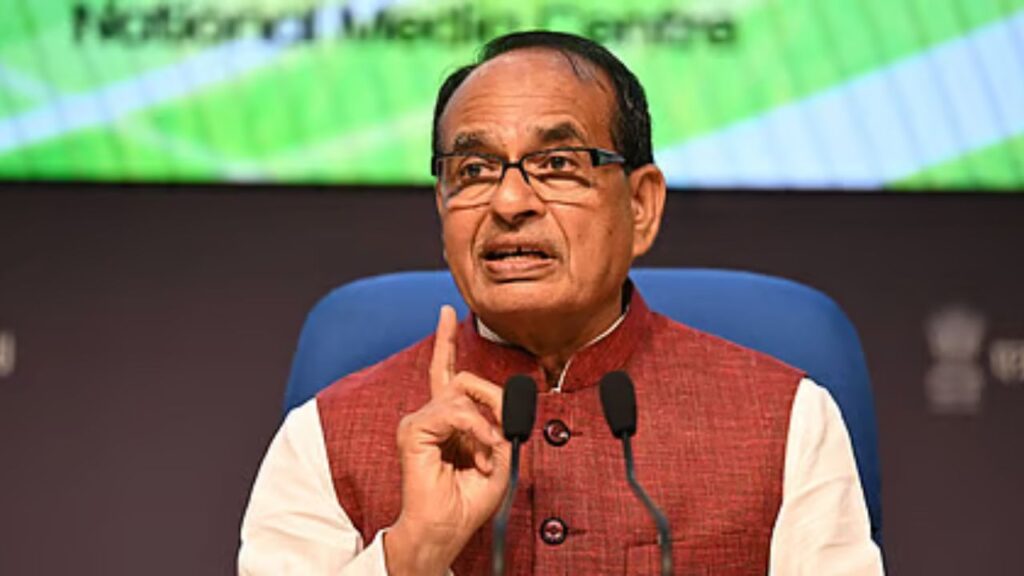

Amid concerns over declining returns for Totapuri mango growers in Andhra Pradesh, Tamil Nadu and Karnataka, the Union Government has announced a comprehensive strategy to strengthen cultivation, processing and marketing systems for the popular mango variety. Union Minister for Agriculture and Farmers’ Welfare and Rural Development, Shri Shivraj Singh Chouhan, has directed officials to implement concrete measures aimed at improving farmer incomes and ensuring better market stability.
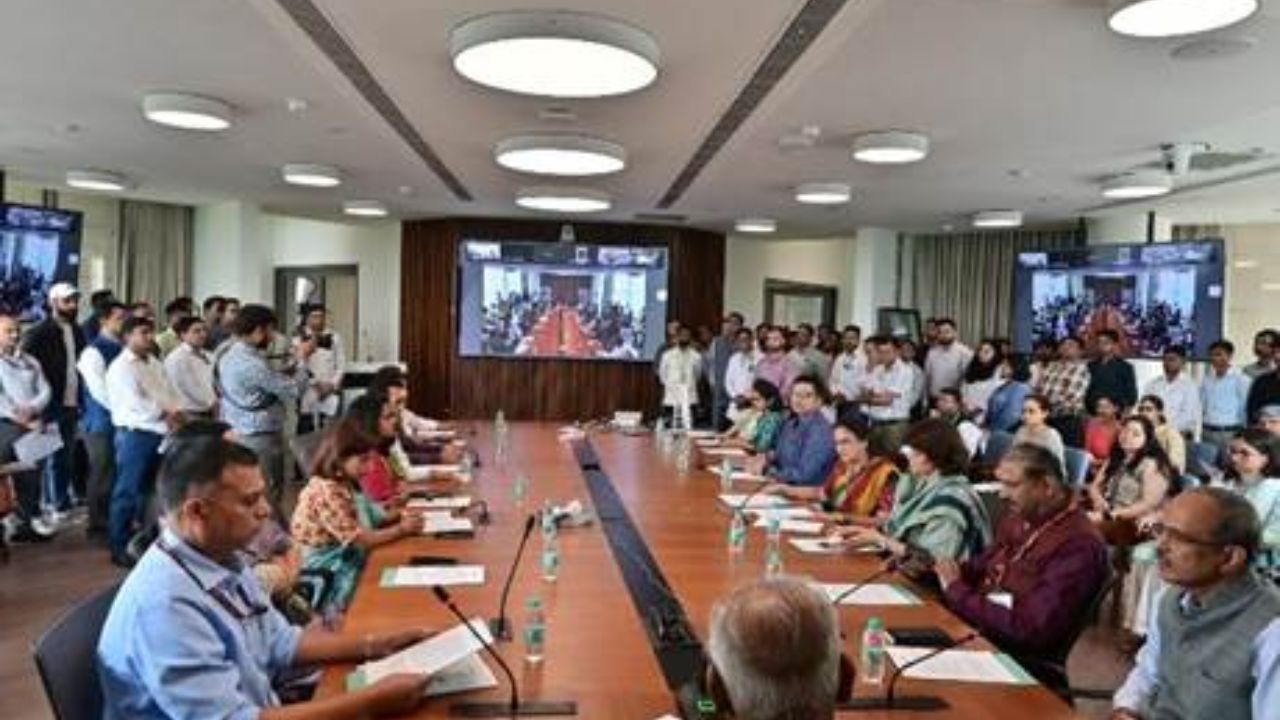
The decisions were taken during a high-level review meeting held at Krishi Bhavan, New Delhi, where the Agriculture Minister examined the findings of an expert committee constituted to study challenges faced by Totapuri mango farmers. The committee’s recommendations focused on addressing issues across the entire value chain, from orchard management and procurement to processing, exports and value addition.
Expert Committee Highlights Key Challenges
The high-level committee, constituted under the Indian Council of Agricultural Research (ICAR), conducted field visits in Andhra Pradesh’s Tirupati and Chittoor districts between July 8 and 10. The team interacted with farmers, Farmer Producer Organisations (FPOs), mandi representatives, processing industries, exporters and district officials to understand the ground realities affecting Totapuri mango cultivation.
The committee, headed by Dr. Damodaran T., Director of ICAR–Central Institute for Subtropical Horticulture (CISH), Lucknow, identified several factors behind falling mango prices. These included inadequate coordination between procurement and processing units, fluctuations in global demand, and limited use of real mango pulp in beverages.
According to the committee, delays in procurement by processing units during the initial harvesting period often result in excess supply reaching mandis simultaneously, leading to sharp price declines and financial losses for farmers.
Focus on Increasing Mango Pulp Consumption
One of the major recommendations was related to mango-based beverages. The committee suggested that such products should contain 22–25 per cent natural mango pulp to improve quality and increase demand for Totapuri mango pulp.
It recommended that beverages meeting the prescribed pulp standards should receive benefits under the concessional 5 per cent Goods and Services Tax (GST) category, while products with lower pulp content should attract higher tax rates. The move, according to the committee, could encourage greater consumption of genuine mango-based products while creating additional demand for farmers’ produce.
Following the recommendation, Shri Chouhan directed the concerned ministries, including Agriculture, Food Processing Industries, Finance, Health, and regulatory bodies such as FSSAI and the GST Council, to hold discussions and develop a coordinated approach.
Price Stabilisation Mechanism Proposed
To prevent sudden market fluctuations, the committee proposed establishing a Central Coordination and Price Stabilisation Committee for major Totapuri-producing states. The proposed mechanism would assess crop production estimates, processing requirements, export demand, input costs and market trends before every mango season.
The committee suggested that the mechanism could help establish indicative procurement prices at the farm level and reference prices for mango pulp, enabling farmers and industries to plan their operations more effectively.
Orchard Rejuvenation and Better Farming Practices
The committee highlighted that several Totapuri orchards in Chittoor, Tirupati, Annamayya and Kadapa districts have become old, resulting in declining productivity and fruit quality.
To address this issue, it recommended orchard rejuvenation through top-working technology. Under this method, existing trees can be grafted with high-value mango varieties such as Neelam, Alphonso, Himayat and Banganapalli, allowing farmers to shift towards more profitable crops within two to three years.
The committee also emphasised the adoption of Good Agricultural Practices (GAP), farmer training programmes and demonstration orchards to improve productivity and quality.
Strengthening Processing and Export Opportunities
To enhance fruit quality and access premium markets, the committee recommended providing fruit covers across around 23,333 hectares in major mango-growing districts of Andhra Pradesh. The practice would help reduce pest damage, improve fruit appearance and increase market value.
It also proposed developing zonal procurement and initial processing centres through collaboration between horticulture departments, processing companies and FPOs.
The Andhra Pradesh Government was advised to introduce a Standard Operating Procedure (SOP) requiring registered processing units to begin procurement and pulp production from May 15 every year to ensure timely market support.
Promoting Value Addition and Farmer-Led Processing
The meeting also discussed expanding farmer-led processing initiatives. Using technologies developed by ICAR institutes, farmers and FPOs could explore production of mango seed-based products such as mango butter and other value-added items, creating additional income opportunities from mango by-products.
Representatives from the Agricultural and Processed Food Products Export Development Authority (APEDA) highlighted efforts to expand domestic and international markets for Indian mangoes, including the use of sea routes to reduce export costs.
Shri Chouhan stated that the government aims to create a farmer-centric Totapuri mango ecosystem through coordinated efforts involving Central and State governments, ICAR, APEDA, FPOs and the processing industry.
The Minister expressed confidence that the implementation of these measures would help stabilise prices, improve farmer earnings and strengthen India’s position in the global mango market.