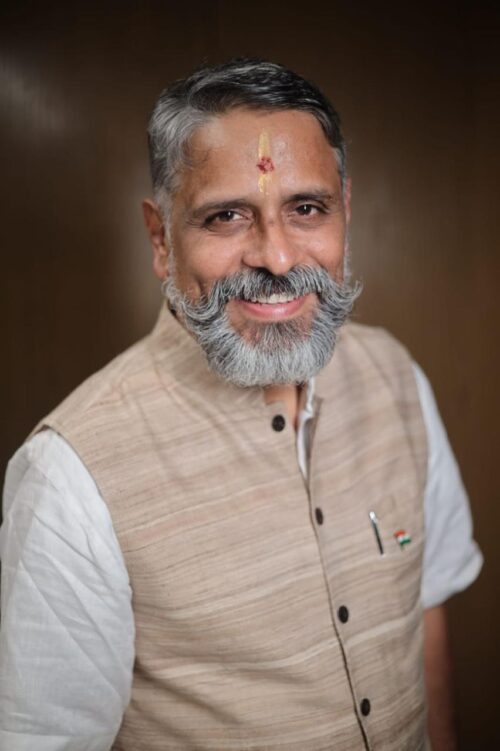


Union Minister for Textiles Giriraj Singh said India is working to significantly expand its sericulture sector and raise annual silk production to 60,000 metric tonnes by 2030-31, while strengthening the incomes of silk farmers, weavers and other stakeholders across the value chain.
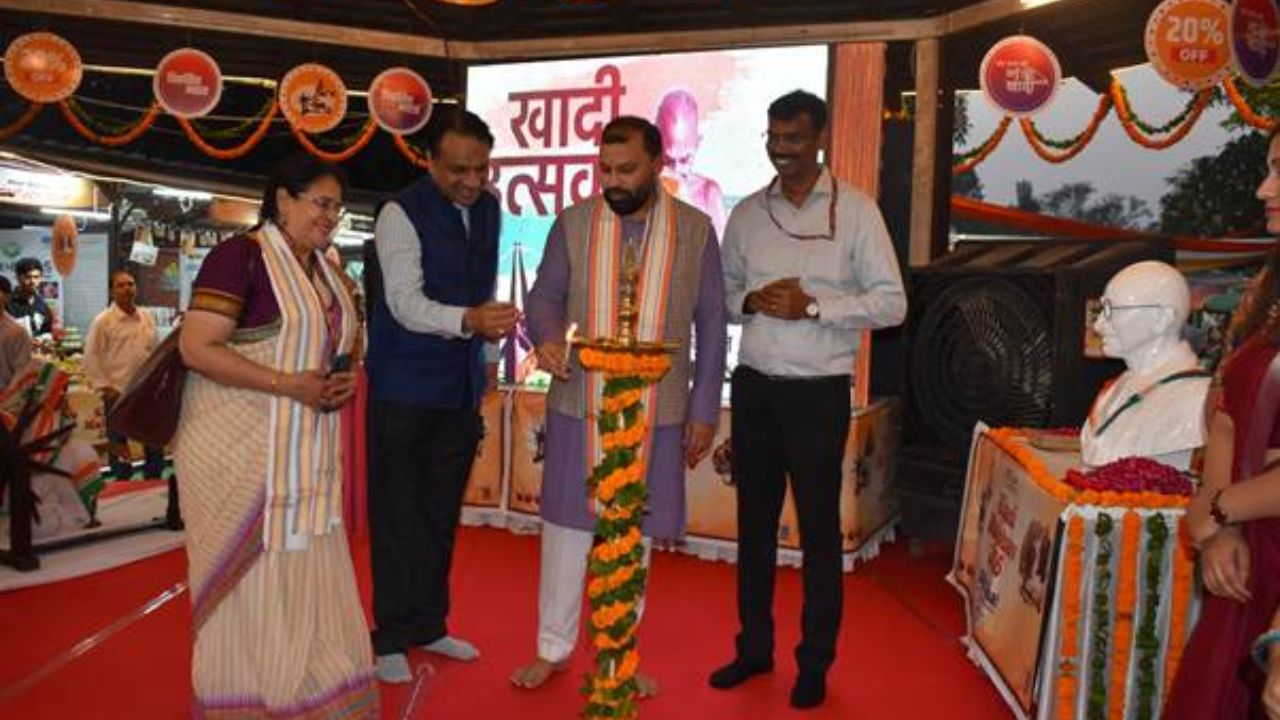
The Minister was speaking at the 77th Foundation Day programme of the Central Silk Board (CSB) and an exhibition showcasing silk products and technologies at the UAS-GKVK auditorium in Bengaluru. Union Minister of State for Micro, Small and Medium Enterprises and Labour and Employment Shobha Karandlaje also attended the programme.
According to Singh, India’s silk production has increased from around 26,000 metric tonnes in 2014 to 42,000 metric tonnes currently. The government has set a further target of taking production to 60,000 metric tonnes by 2030-31 and aims to strengthen India’s position in global silk production by 2028-29.
The Minister highlighted the need to improve productivity at the farm level by increasing mulberry leaf yields and enabling more cocoon-rearing cycles. These measures, he said, could help raise the annual earnings of sericulture farmers to between ₹10 lakh and ₹12 lakh.
Singh also called for the organisation of ‘Best Silk Farmer’ competitions at district, state and national levels to encourage innovation and productivity among farmers. He stressed that research and technological advances developed by scientists should reach farmers effectively.
According to the Minister, the introduction of improved hybrid varieties and modern machinery can help enhance productivity and quality. He also pointed to growing international demand for Indian silk amid declining production in China. Strengthening the complete value chain—from sericulture and cocoon production to reeling and weaving—would therefore be important for expanding India’s presence in global markets.
Singh said the government is also focused on developing the country’s broader textile ecosystem, with an objective of taking the textile market to $300 billion and providing greater economic security to weavers and workers associated with the sector.
Shobha Karandlaje said Karnataka remains a leading contributor to India’s silk production and that the government is giving priority to infrastructure development and industrial expansion in the sector. She underlined the importance of modern technology and high-density production methods to produce silk that meets international quality and export standards.
Karandlaje also highlighted the growing participation of entrepreneurs under the MSME framework. Subsidies and quality-improvement initiatives are being implemented to support enterprises, while better market access for local producers is expected to encourage investment and create employment in sericulture and textile-related industries.
Padmini Singla, Joint Secretary (Silk), Ministry of Textiles and Vice Chairperson of the Central Silk Board, said the target of producing 60,000 metric tonnes of silk by 2030-31 would require the adoption of advanced technologies and improved production systems.
She said high-yielding silkworm hybrids and modern machinery are being introduced to raise productivity. Technologies including Artificial Intelligence (AI), Geographic Information Systems (GIS) and Machine Learning (ML) are also being integrated for quality inspection and enhancing production capabilities.
The programme brought together silk farmers and weavers from Karnataka, Andhra Pradesh, Telangana and Tamil Nadu, along with officials, scientists and other stakeholders.
The event also featured the exchange of Memorandums of Understanding (MoUs) between the Central Silk Board and various organisations. Appointment letters were distributed to 28 scientists, while awards were presented to outstanding employees and stakeholders. Several publications and periodicals of the Central Silk Board were also released during the programme.
The Foundation Day event underscored the government’s focus on combining scientific research, modern technology, infrastructure and market opportunities to expand India’s sericulture industry and improve livelihoods across the silk value chain.
Also Read: States Must Turn Agricultural Commitments into Results, Says Shivraj Singh Chouhan