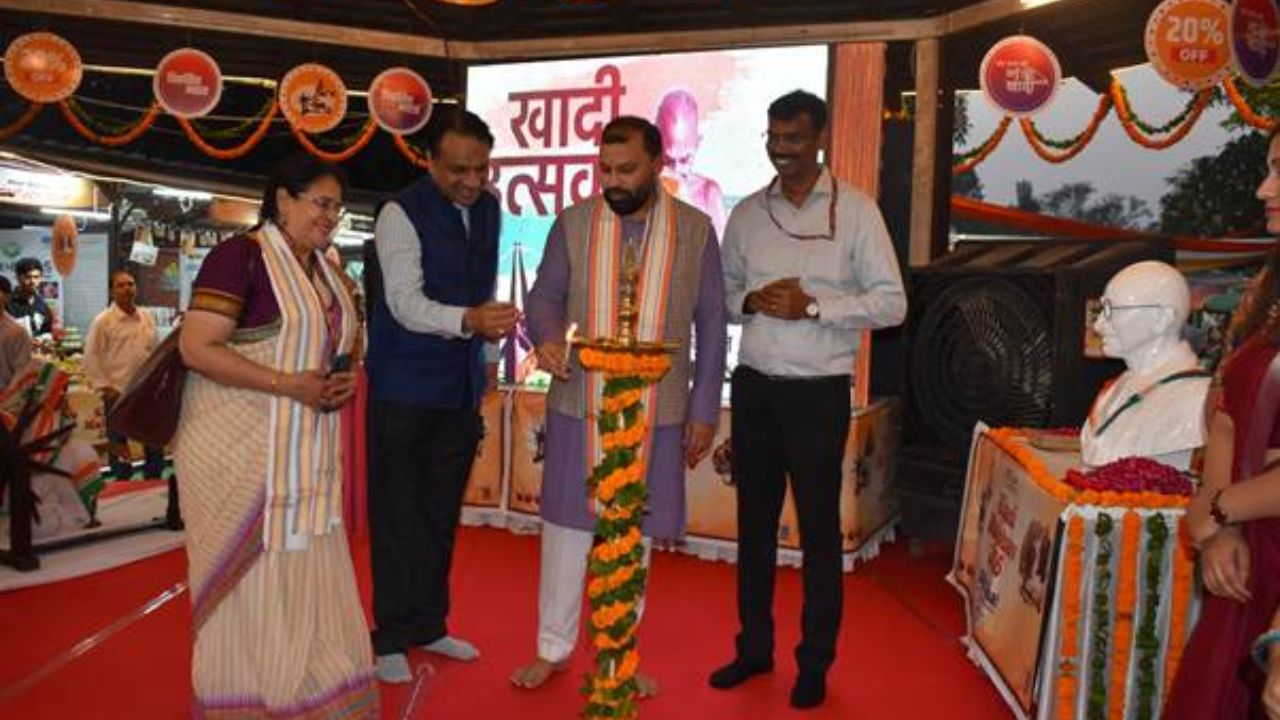
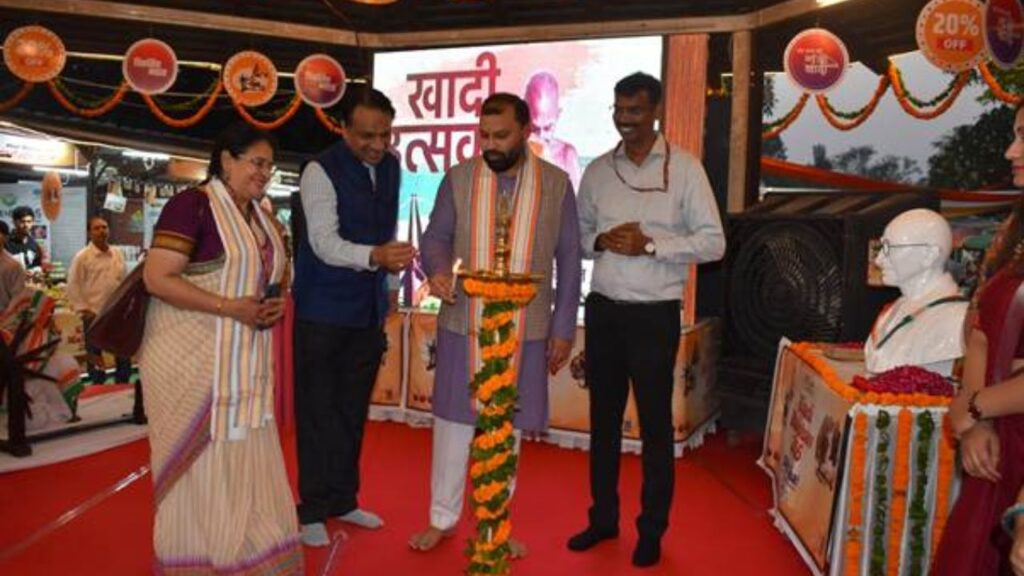

The Khadi and Village Industries Commission (KVIC), under the Ministry of Micro, Small and Medium Enterprises (MSME), Government of India, has launched a special exhibition at Delhi Haat, I.N.A., showcasing India’s rich cultural heritage, traditional craftsmanship and indigenous entrepreneurial talent. Inaugurated by KVIC Chairman Manoj Goel, the exhibition will continue until October 15, 2026, bringing together artisans, weavers, Khadi institutions and rural entrepreneurs from across the country.
The exhibition features 115 stalls, including 48 dedicated to Khadi products, while the remaining stalls showcase goods produced by village industries, Gramodyog enterprises and units supported under the Prime Minister’s Employment Generation Programme (PMEGP). With participants representing different regions of India, the event offers visitors an opportunity to explore the country’s diverse handicrafts, textiles and locally manufactured products under one roof.
Promoting Swadeshi and Self-Reliance
Speaking at the inauguration, KVIC Chairman Manoj Goel said the exhibition seeks to spread Prime Minister Narendra Modi’s vision of Swadeshi among the public, particularly the younger generation. He highlighted that Khadi and village industries represent more than commercial activity, reflecting the dedication, skills and determination of millions of artisans, weavers and rural entrepreneurs.
He emphasised that promoting indigenous products and making high-quality Indian alternatives accessible to consumers are essential for expanding the Khadi and village industries sector. He also encouraged residents of Delhi and tourists visiting the capital to explore the exhibition and support local producers through their purchasing decisions.
Goel noted that the government is working to develop an ecosystem that connects young people with employment, skill development, entrepreneurship, financial support and market opportunities. According to him, Khadi and village industries are emerging as important avenues for rural employment and economic independence.
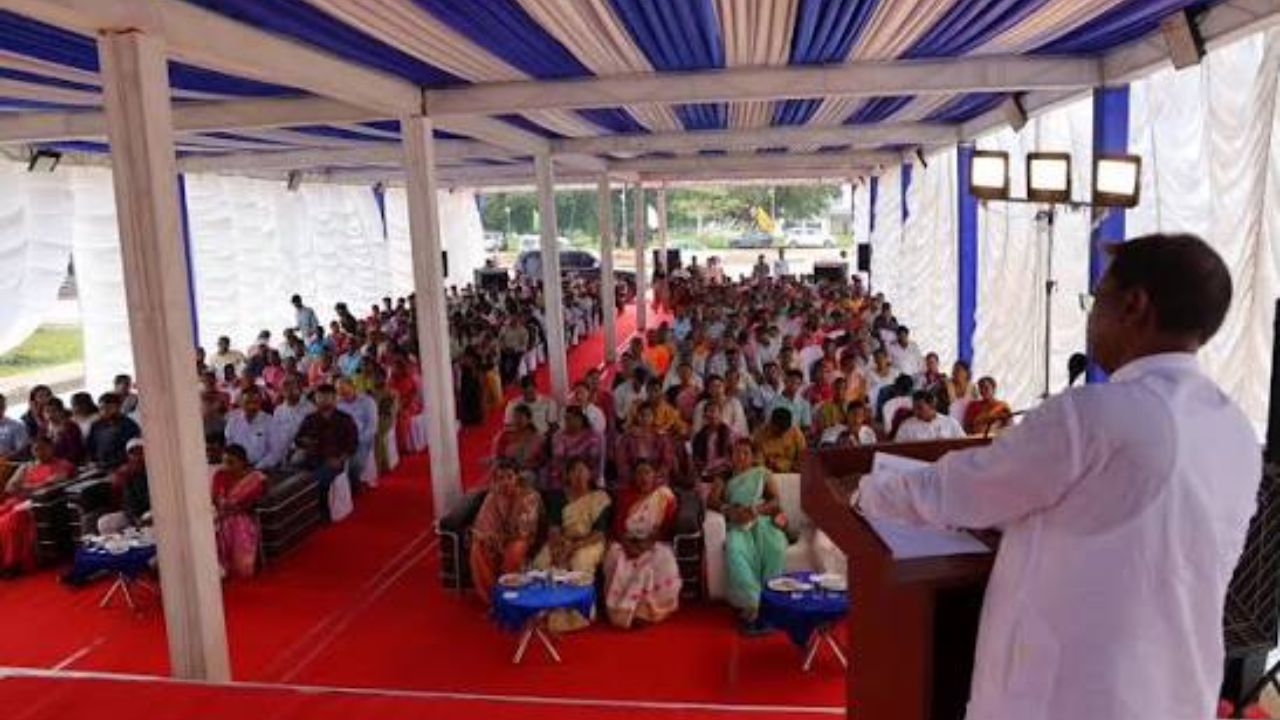
The inaugural programme was attended by the KVIC Chief Executive Officer, the Joint Secretary (ARI) of the Ministry of MSME, the Financial Adviser of KVIC, officials, employees, representatives of Khadi institutions and participating artisans.
Regional Craftsmanship on a Common Platform
One of the exhibition’s major attractions is its representation of traditional products from different geographical regions of India. Visitors can discover distinctive textiles, silk products, handicrafts and village industry goods that reflect local traditions and generations of craftsmanship.
Participants from southern states, including Karnataka, Tamil Nadu, Andhra Pradesh, Telangana and Kerala, are displaying silk fabrics, traditional weaves, Kalamkari art, Ikat textiles and region-specific textile crafts. Eastern India is represented by West Bengal’s muslin and handloom products, Bihar’s silk and tussar textiles, and Odisha’s traditional weaving and Ikat craftsmanship.
The Northeast has brought its distinctive collection of bamboo crafts, natural-material products, handicrafts and traditional silk items, including those associated with Assam. These products highlight the region’s strong connection with sustainable materials and indigenous artistic traditions.
Northern and western states are also contributing to the exhibition’s diversity. Gujarat’s traditional textiles and handicrafts, Rajasthan’s colourful crafts and prints, Himachal Pradesh’s woollen products and Uttar Pradesh’s weaving traditions are among the displayed offerings. Rural products from Haryana, along with tribal and natural-material crafts from Jharkhand and Chhattisgarh, further enrich the collection.
The exhibition also includes processed food products, herbal goods, natural products, Khadi garments and other village industry items, providing small producers with an opportunity to reach new customers.
Khadi and Village Industries Record Strong Growth
During his interaction with the media, Goel highlighted the sector’s economic contribution and growing role in employment generation. According to figures shared by KVIC, the combined turnover of Khadi and village industries exceeded ₹1.87 lakh crore in the financial year 2025–26. The sector currently supports employment for more than 2.04 crore people.
He expressed confidence that the sector would progress towards its future turnover target of ₹2.51 lakh crore, supported by government initiatives, entrepreneurship development and improved market access.
The Delhi Haat exhibition reflects KVIC’s continuing efforts to strengthen indigenous manufacturing, preserve traditional skills and create new commercial opportunities for artisans and rural enterprises. By connecting producers directly with consumers, the initiative aims to encourage the adoption of Swadeshi products while supporting livelihoods and promoting India’s diverse cultural identity.
The exhibition stands as a platform for celebrating local craftsmanship and advancing the broader objectives of rural development, self-reliance and inclusive economic growth.
Also Read: PMEGP Drives Entrepreneurship and Employment Through Grassroots Micro-Enterprise Growth