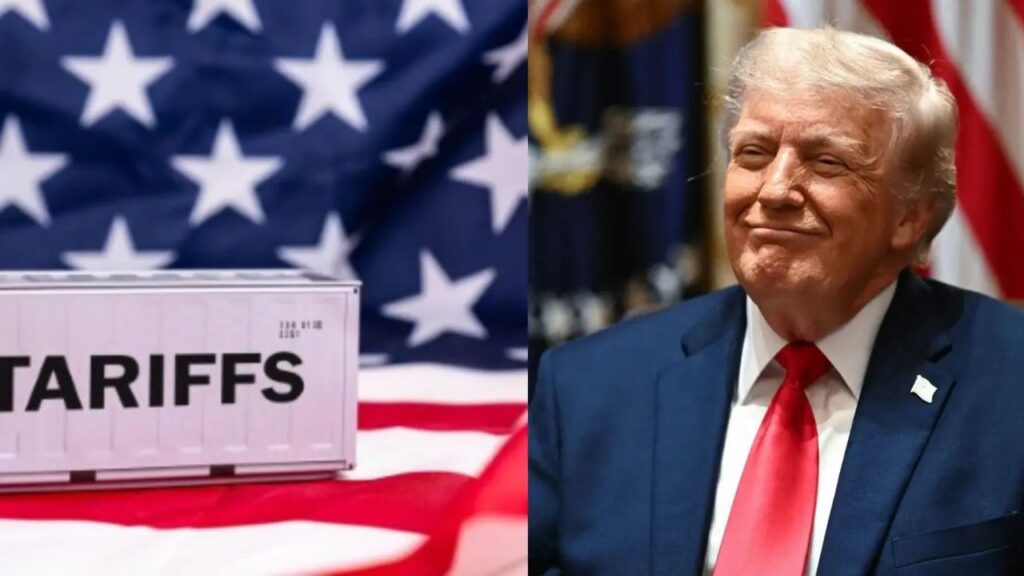

The United States Trade Representative (USTR) has proposed imposing additional tariffs on imports from 60 economies, including India, following the completion of investigations under Section 301 of the U.S. Trade Act of 1974. The proposed action stems from concerns related to measures adopted by these economies that, according to the U.S., restrict or prevent the import of goods.
The tariff proposal marks a significant development in global trade relations and has attracted attention from governments, exporters, and industry stakeholders across the affected economies. While the recommendations have been formally announced, the measures are not yet final and remain subject to a public consultation process before any implementation decision is made.
According to the USTR, the proposed tariffs would apply to a broad range of imports from the economies under investigation. However, certain categories of products have been excluded from the scope of the proposal. These include products already covered under Section 232 tariffs, which relate to national security concerns, as well as several other specified goods.
A notable feature of the proposal is a special mechanism designed for textile and apparel products. Under this framework, selected economies could be allowed to export a specified volume of textile and clothing products to the United States at lower tariff rates. The move is intended to balance trade concerns with the interests of U.S. consumers and industries that rely on imported textile products.
The USTR has initiated a formal public consultation process to gather feedback from affected stakeholders before reaching a final determination. Interested parties seeking to participate in the public hearings must submit requests by June 22, 2026. Written comments on the proposed measures can be filed until July 6, 2026, while public hearings are scheduled to take place on July 7, 2026.
Following the consultation period, the USTR will review all submissions, comments, and testimony received from businesses, trade associations, government representatives, and other stakeholders. The final decision on whether to impose the proposed tariffs, modify them, or withdraw certain measures will be taken after considering the feedback.
India, one of the economies covered under the investigation, has stated that it remains actively engaged with the United States on the matter. Discussions are continuing as part of the Section 301 proceedings, with Indian authorities closely monitoring developments and evaluating the potential impact on bilateral trade.
At the same time, India and the United States are pursuing broader trade negotiations aimed at strengthening economic ties. Both countries are working toward finalizing a framework agreement that was announced on February 2, 2026. The discussions are being conducted in line with the joint statement issued by the two sides on February 7, 2026, which outlined their commitment to enhancing trade and investment cooperation.
Trade experts note that the outcome of the ongoing consultations could have important implications for exporters across several sectors. Any additional tariffs imposed by the United States may affect the competitiveness of goods entering the American market, potentially influencing supply chains and trade flows.
For India, the developments come at a time when bilateral economic engagement with the United States continues to expand. The parallel track of negotiations on a broader trade framework is expected to play a crucial role in addressing market access concerns and fostering a ore predictable trading environment.
As stakeholders prepare to present their views during the consultation process, attention will remain focused on the USTR’s final decision and its potential impact on international trade relations. The coming weeks are likely to be critical in determining the future course of trade interactions between the United States and the affected economies, including India.
Also Read: India-Canada Economic Ties Gain Momentum as Piyush Goyal Leads Landmark Business Delegation

Author: Shivam
Proficient Writer Contact: [email protected]