
In a significant step towards strengthening the implementation of key rural development initiatives, the Ministry of Rural Development has deputed a team of senior officers to Karnataka for a week-long review and monitoring visit from July 5 to July 11, 2026. The visit is aimed at enhancing coordination with the State Government, providing implementation support and ensuring the effective delivery of flagship rural development programmes.
The delegation from the Department of Rural Development comprises Shri Altaf Hussain Haji (ISS), Deputy Director General and Statistical Advisor, Shri Anil Kumar K.C., Under Secretary, and Shri Baldev Verma, Assistant Director. During their visit, the officers will engage with state and district authorities to assess the progress of major Central schemes and address implementation challenges.
Focus on Strengthening Programme Delivery
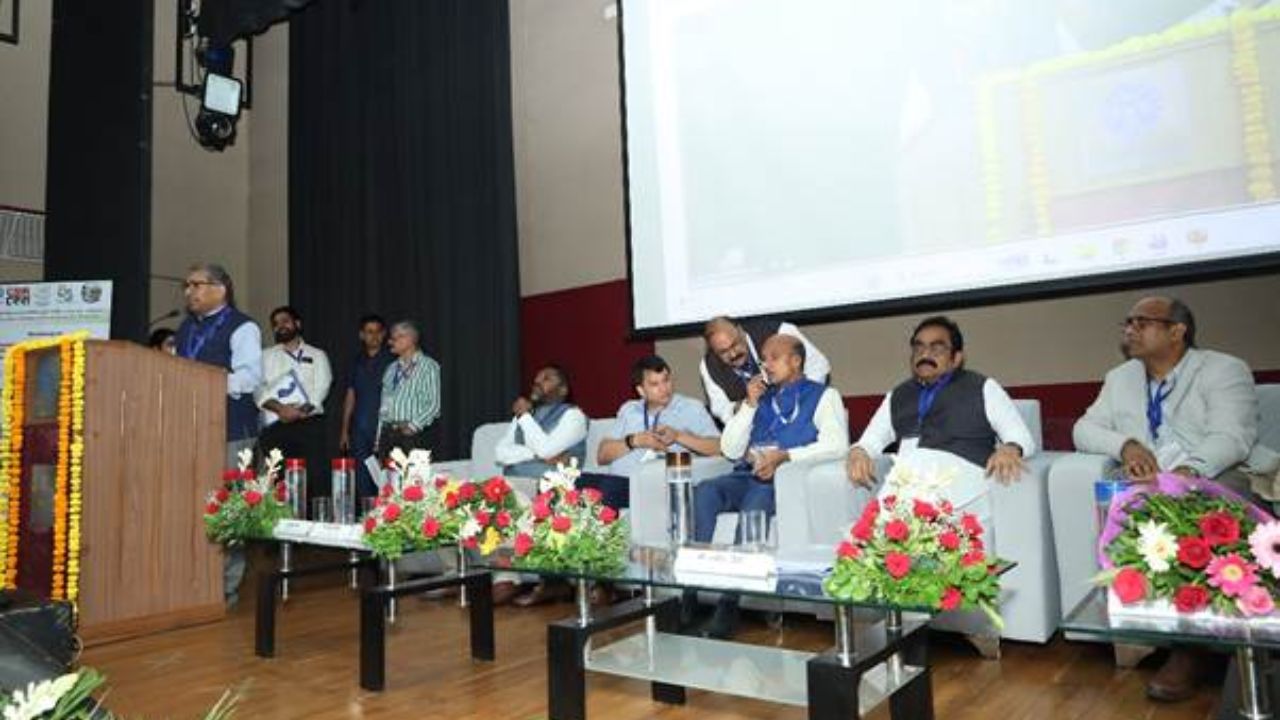
The visit forms part of the Ministry’s ongoing efforts to improve the quality, transparency and efficiency of rural development programmes through regular monitoring and field-level engagement. Senior officials will conduct review meetings with the Government of Karnataka in Bengaluru to evaluate the performance of various schemes, discuss implementation bottlenecks and identify strategies to improve service delivery.
The meetings are expected to focus on strengthening coordination between the Centre and the State, ensuring timely execution of projects and accelerating the achievement of programme objectives.
Field Visits to Belagavi and Davanagere
Apart from meetings in Bengaluru, the delegation will undertake field visits to Belagavi and Davanagere districts. A major objective of these visits is to support the rollout of VB-GRAMG and examine its implementation on the ground.
The officers will assess the preparedness of district administrations, review operational arrangements and identify any challenges affecting the initiative’s implementation. The field inspections are also intended to facilitate timely solutions so that the programme can be implemented effectively and benefit rural communities as planned.
Comprehensive Review of Flagship Rural Schemes
The review will extend beyond VB-GRAMG to include several flagship programmes implemented by the Ministry of Rural Development. These include:
- Pradhan Mantri Awaas Yojana–Gramin (PMAY-G), which aims to provide pucca houses to eligible rural households.
- Deendayal Antyodaya Yojana–National Rural Livelihoods Mission (DAY-NRLM), focused on promoting sustainable livelihoods through Self-Help Groups.
- Pradhan Mantri Gram Sadak Yojana (PMGSY), which seeks to improve rural road connectivity.
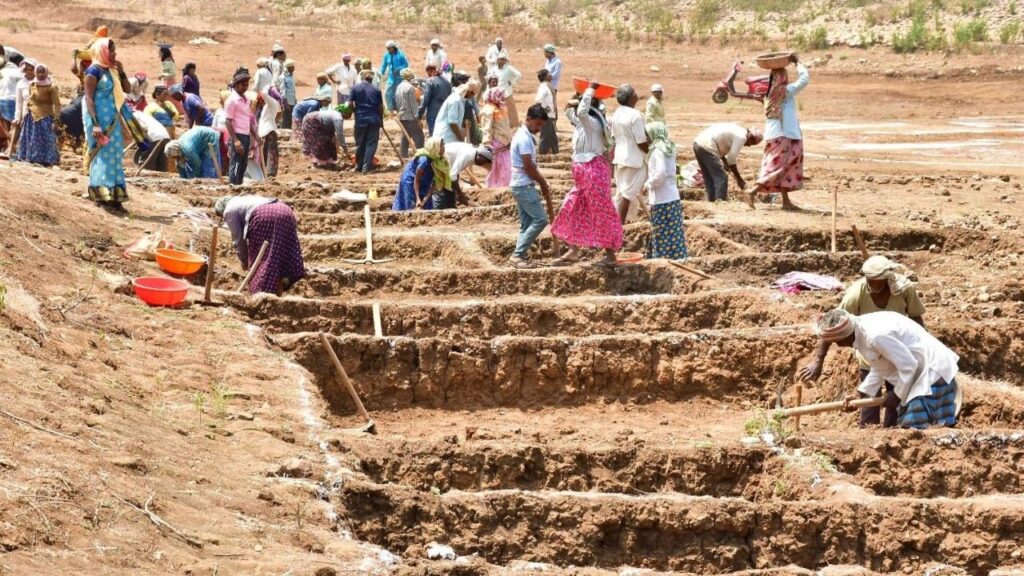
- Mahatma Gandhi National Rural Employment Guarantee Scheme (MGNREGS), providing guaranteed wage employment to rural households.
- National Social Assistance Programme (NSAP), offering financial assistance to vulnerable sections of society.
Officials will evaluate the implementation status of these programmes, monitor progress against targets and examine measures that could further improve efficiency and beneficiary outcomes.
Stakeholder Interactions at the Grassroots
A key component of the visit will be direct interaction with stakeholders involved in implementing and benefiting from these schemes. The delegation will meet district officials, representatives of Panchayati Raj Institutions, members of Self-Help Groups, MGNREGS job card holders and beneficiaries of various rural development programmes.
These interactions are expected to provide valuable insights into the effectiveness of programme implementation at the grassroots level. Officials will gather first-hand feedback, understand local challenges, document successful practices and explore opportunities for improving service delivery across rural areas.
Such field engagements also help bridge the gap between policy formulation and implementation by incorporating experiences from the ground into future planning and decision-making.
Strengthening Cooperative Federalism
The Ministry of Rural Development has consistently emphasised collaborative governance as a key driver of successful programme implementation. Regular monitoring visits by Central officials are intended to strengthen cooperation with State Governments while ensuring greater accountability and transparency in the execution of development initiatives.
By working closely with Karnataka’s administrative machinery, the visiting team aims to support effective implementation of Central schemes, resolve operational issues and promote best practices that can enhance rural development outcomes.
The week-long review reflects the Ministry’s continued commitment to inclusive and sustainable rural development through close coordination, evidence-based monitoring and active engagement with stakeholders at every level. Such initiatives are expected to contribute to improved service delivery, stronger institutional capacity and better socio-economic outcomes for rural communities across the country.
Also Read: Piyush Goyal Unveils Roadmap to Make India a Global Toy Manufacturing Hub

Author: Shivam
Shivam Dwivedi is a senior journalist with extensive experience in research-driven journalism, policy communication, and multi-platform storytelling. His areas of interest include international relations, defence, science & technology, education, urban development, agriculture, spirituality, and environmental sustainability. His work focuses on in-depth analysis, public discourse, and impactful narratives across governance and development sectors, with a strong commitment to the Sustainable Development Goals (SDGs). Contact: [email protected]