
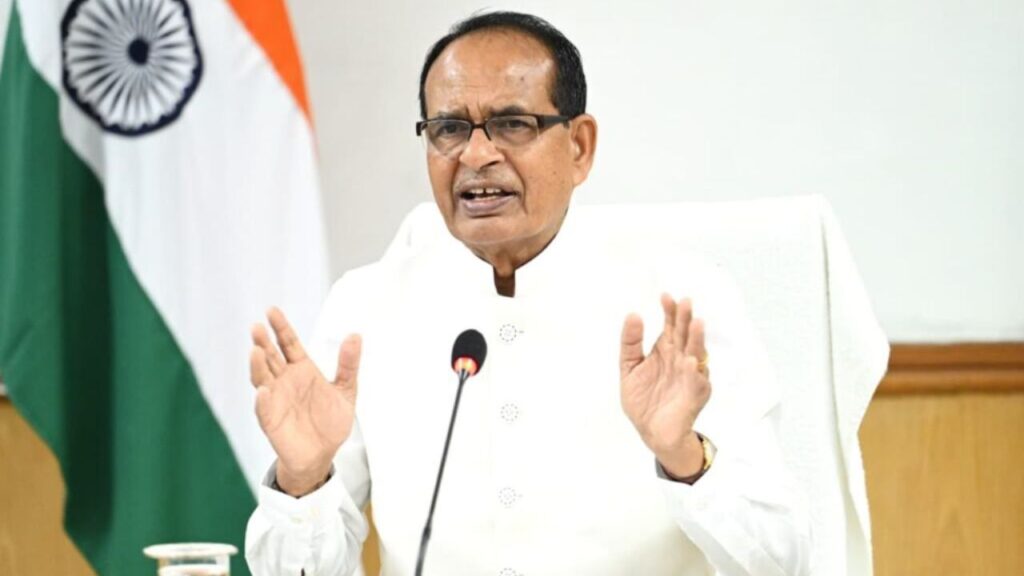

Union Minister for Agriculture & Farmers’ Welfare and Rural Development Shivraj Singh Chouhan has urged India’s corporate sector to move beyond viewing Corporate Social Responsibility (CSR) as a statutory obligation and instead embrace it as a powerful instrument for nation-building, particularly in agriculture and rural development.
Speaking at the ICAR CSR Conclave 2026, organised by the Indian Council of Agricultural Research (ICAR) at the Bharat Ratna C. Subramaniam Auditorium in New Delhi, the Minister called upon industry leaders to invest in agricultural innovation, farmer welfare and rural communities by adopting the Indian philosophy of trusteeship.
CSR Should Become a Catalyst for Rural Transformation
Addressing corporate leaders, scientists, policymakers and farmers, Chouhan said India’s growth story has been built on opportunities created by the nation, making it equally important for businesses to contribute towards the welfare of society.
Drawing inspiration from Mahatma Gandhi’s concept of trusteeship, he said wealth should be regarded as a resource held in trust for the benefit of society rather than as a purely personal asset. According to the Minister, CSR represents the spirit of voluntarily sharing a portion of corporate success with communities, especially farmers who remain central to India’s economy.
He clarified that the government’s objective is not to burden businesses but to encourage them to become active partners in national development. He also acknowledged that several industrialists had supported social causes long before CSR spending became mandatory under law.
Bridging the Gap Between Science and Farmers
A key focus of the conclave was ensuring that agricultural research directly benefits farmers. Chouhan stressed that scientific innovations should not remain confined to research laboratories but must reach fields where they can improve productivity and livelihoods.
Referring to the Viksit Krishi Sankalp Abhiyan, he said the initiative aims to strengthen interaction between scientists and farmers, enabling the transfer of modern farming practices, improved crop varieties and new technologies.
He encouraged companies to support this “Science to Farmers” mission through CSR initiatives that accelerate technology adoption and strengthen extension services.
Illustrating the importance of technology transfer, the Minister highlighted advancements in jute processing. Traditional fibre extraction requires prolonged soaking of harvested jute, consuming large quantities of water and often affecting fibre quality. Newly developed machines can significantly reduce processing time while improving output quality. However, he noted that such innovations need industry participation for rapid commercialisation and wider adoption.
Prioritising Climate-Resilient Agriculture
The Minister identified climate resilience, soil conservation, nutrition and sustainable farming as major priorities for India’s agricultural future.
Expressing concern over declining soil organic carbon and excessive use of chemical fertilisers and pesticides, he emphasised the importance of protecting soil health for long-term food security. He suggested that CSR funding could strengthen programmes such as the Soil Health Card initiative and support research aimed at restoring soil fertility.
Chouhan also underlined the need to promote nutritious and seasonal food choices, recalling India’s traditional belief that food serves as medicine. He said agricultural policies should focus not only on increasing production but also on ensuring healthier food systems that contribute to public well-being.
Supporting Innovation, Youth and Women Farmers
The Minister outlined several areas where corporate investments could create lasting impact. These include support for agri-tech startups, agricultural skill development, drone pilot training, food processing, agribusiness entrepreneurship and rural innovation.
He observed that many young people are willing to remain in agriculture if they have access to modern technologies, entrepreneurship opportunities and better income prospects. CSR initiatives, he said, can help build an ecosystem that encourages rural youth to become agricultural entrepreneurs rather than leaving farming.
Chouhan also placed special emphasis on women farmers and Self-Help Groups (SHGs), describing initiatives such as Drone Didi as examples of women’s growing role in agricultural transformation. He urged companies to prioritise women-led enterprises, rural entrepreneurship and capacity building programmes to strengthen rural livelihoods.
Beyond Compliance Towards Social Responsibility
Representatives from various companies shared their commitments to supporting national development during the conclave. Welcoming these assurances, Chouhan said every stakeholder should contribute to strengthening India’s agricultural ecosystem.
He reminded industry leaders that although companies are legally required to allocate 2% of their profits towards CSR activities, the true purpose of CSR extends far beyond regulatory compliance. It should be viewed as a moral commitment to improve lives and create inclusive growth.
Concluding his address, the Minister appealed to the corporate sector to dedicate a portion of its resources towards the welfare of farmers, agricultural research and rural communities, stating that meaningful social contribution ultimately defines the true value of success.
The conclave was attended by Union Ministers of State for Agriculture & Farmers’ Welfare Ramnath Thakur and Bhagirath Choudhary, along with senior government officials, agricultural scientists, corporate leaders and farmer representatives, reflecting a shared commitment to building a more resilient, innovative and sustainable agricultural sector in India.

Author: Shivam
Proficient Writer Contact: [email protected]