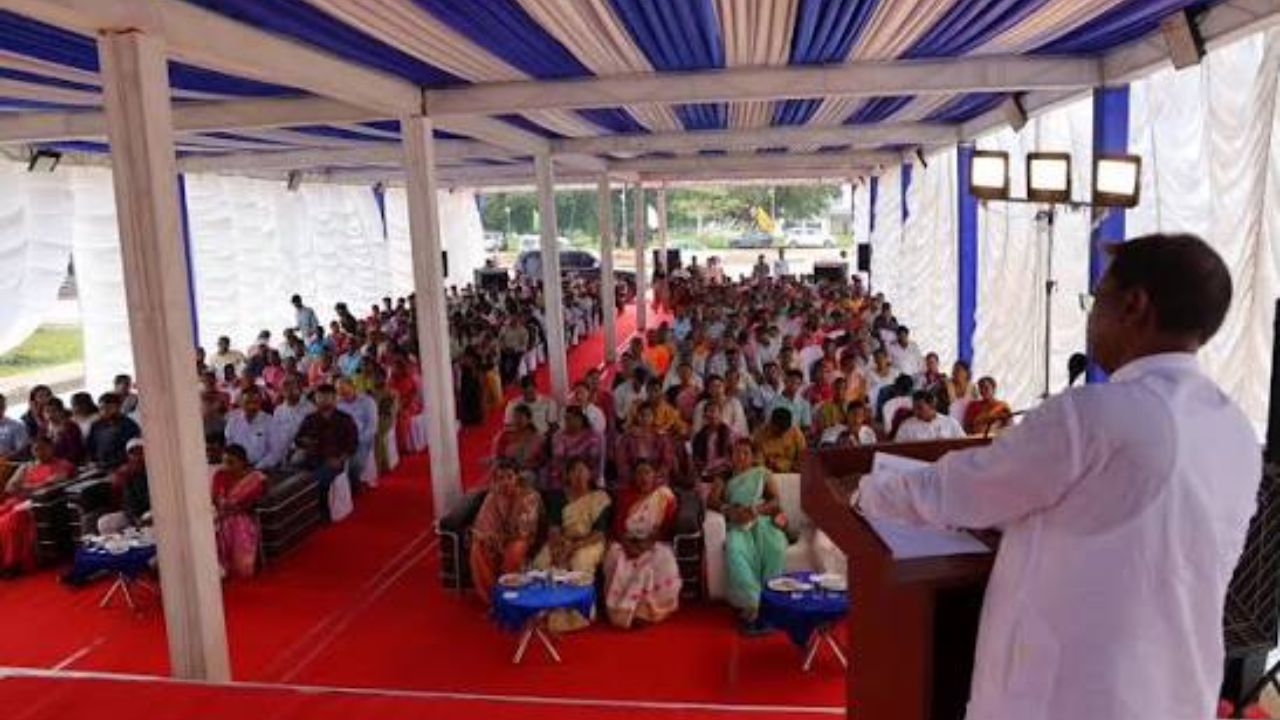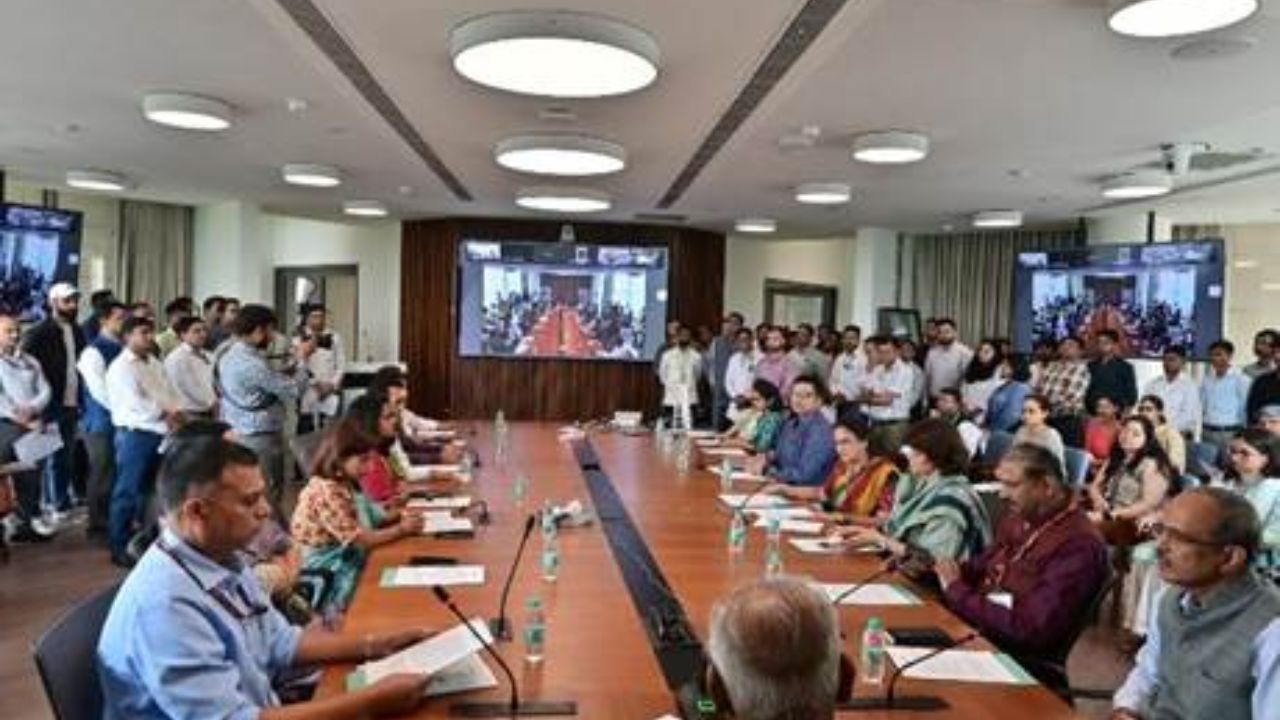
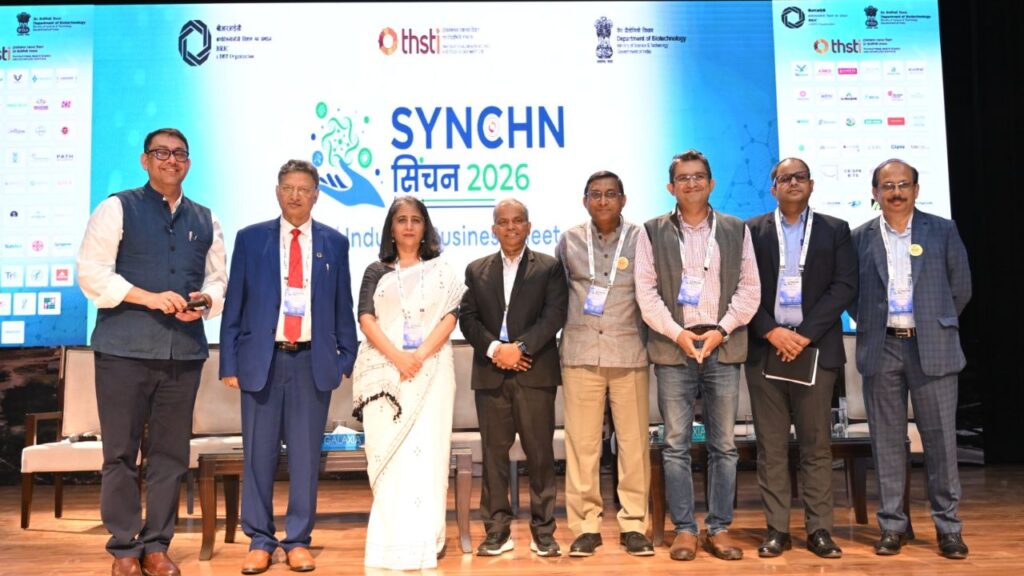

The Translational Health Science and Technology Institute (THSTI), an institute under the Biotechnology Research and Innovation Council (BRIC), Department of Biotechnology, Government of India, hosted the third edition of its annual industry business meet, SYNCHN 2026 (Synergistic Collaboration in Healthcare Innovation) at the NCR Biotech Science Cluster campus in Faridabad. The event brought together scientists, biotechnology companies, venture capitalists, policymakers, startups and global health experts to accelerate the journey of scientific discoveries from laboratories to patient care.
The conference focused on strengthening partnerships between academia, industry and government while addressing long-standing challenges in translating research into commercially viable healthcare technologies. Through discussions, collaborations and networking sessions, SYNCHN 2026 reinforced India’s growing ambition to emerge as a global hub for biotechnology innovation and healthcare product development.
Kiran Mazumdar-Shaw Highlights Need for Translational Excellence
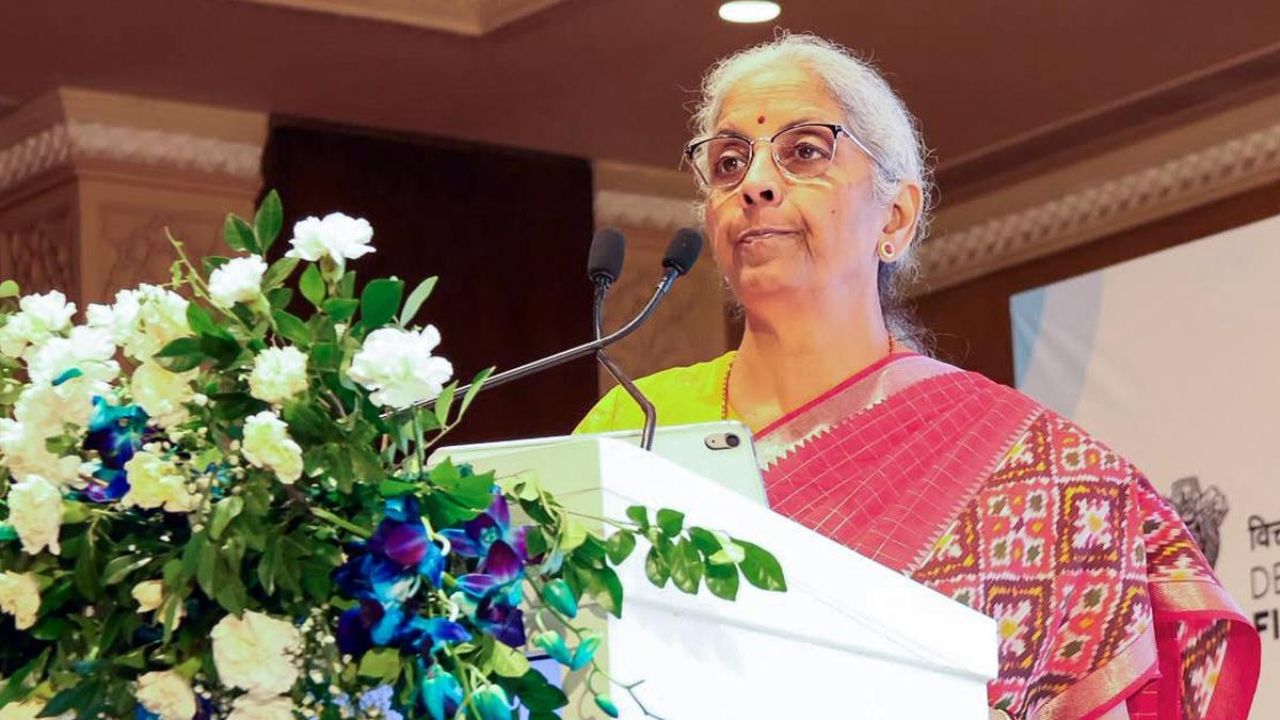
Delivering the keynote address virtually, Dr. Kiran Mazumdar-Shaw, Executive Chairperson of Biocon, said the future of healthcare will increasingly be driven by biology, biotechnology and artificial intelligence.
She observed that India has established globally recognised scientific institutions, but the country’s real challenge lies in converting research into practical healthcare solutions. According to her, innovation creates meaningful value only when scientific excellence is matched with strong translational capabilities supported by trust, collaboration and effective commercialization pathways.
She praised THSTI and the SYNCHN platform for creating an ecosystem that encourages researchers, entrepreneurs and industry leaders to work together in bringing cutting-edge discoveries to the market.
THSTI Showcases Expanding Translational Capabilities
Welcoming participants, Prof. Ganesan Karthikeyan, Executive Director of THSTI, highlighted the institute’s growing focus on measurable outcomes rather than academic outputs alone.
He noted that the inaugural edition of SYNCHN in 2024 resulted in 13 Letters of Intent, while the 2025 edition witnessed 19 strategic agreements, reflecting increasing confidence in the platform’s collaborative approach.
Prof. Karthikeyan emphasized that THSTI is committed to reducing the risks associated with commercialization by providing advanced research infrastructure and fostering continuous dialogue between academia and industry.
He also showcased the institute’s expanding facilities, including the fully operational Medical Research Centre (MRC), which houses an early-phase clinical trial unit, an advanced CAR-T cell research facility and India’s first Controlled Human Infection Studies (CHIS) facility.
In addition, he highlighted the Accelerated Productisation and Epidemic Preparedness (APEX) initiative, designed to bridge the gap between validated scientific discoveries and large-scale manufacturing of biologics.
Regulatory and Policy Leaders Outline Future Roadmap
Senior policymakers used the platform to discuss reforms aimed at strengthening India’s biotechnology ecosystem.
Dr. Rajeev Singh Raghuvanshi, Drugs Controller General of India (CDSCO), said regulatory systems for biologics are being modernised with greater participation from industry experts. The objective is to create an efficient and transparent framework that supports innovation while maintaining high safety standards.
Meanwhile, Prof. M. Srinivas, Member of NITI Aayog, stressed the importance of converting scientific breakthroughs into affordable and scalable healthcare solutions. He advocated stronger collaboration between research institutions and leading clinical centres to ensure that innovations reach patients more quickly.
Investment Ecosystem Gains Momentum
The summit also highlighted India’s rapidly expanding biotechnology investment landscape.
Dr. Manish Diwan discussed the newly operational BIRAC Research Development and Innovation (RDI) Fund, describing it as a significant step toward addressing funding gaps faced by startups, researchers and industry throughout the innovation lifecycle.
Adding an industry perspective, Amit Pandey of the Indian Venture and Alternate Capital Association (IVCA) noted that India’s bioeconomy continues to register an impressive annual growth rate of nearly 18 percent, creating new opportunities for investment and innovation.
Panel Discussions Focus on Global Partnerships and Commercialization
A series of expert panel discussions explored key aspects of healthcare innovation.
The plenary session examined India’s expanding role in global healthcare through international scientific collaborations, resilient manufacturing ecosystems and stronger public-private partnerships.
Another session focused on accelerating the transition of scientific discoveries into first-in-human clinical trials by streamlining regulatory and clinical research pathways.
A third panel examined ways to improve translational platforms by bringing together innovators, investors and technology accelerators to help biotechnology startups scale their innovations more efficiently.
Industry Interaction Strengthens Future Collaborations
The event concluded with interactive networking sessions where industry representatives engaged directly with THSTI scientists to explore collaborative opportunities. Delegates also toured the institute’s advanced research infrastructure, gaining insights into facilities designed to support cutting-edge biomedical research and product development.
With growing participation from government, academia, industry and investors, SYNCHN 2026 reinforced THSTI’s role in building a stronger innovation ecosystem capable of transforming scientific discoveries into accessible healthcare solutions for India and the world.