
The third day of Bharat Tex 2026 underscored India’s ambition to transform its textile and apparel sector into a globally competitive, sustainable and technology-driven industry. Bringing together policymakers, state governments, global brands, investors, industry leaders, international organisations, academic institutions and sustainability experts, the event featured extensive discussions on circular economy, responsible sourcing, financing, future-ready skills and export competitiveness.
A series of panel discussions, workshops, masterclasses and roundtable meetings explored practical strategies to strengthen India’s textile ecosystem while balancing economic growth with environmental responsibility.
Madhya Pradesh Showcases Textile Investment Potential
One of the major highlights of the day was the participation of Madhya Pradesh Chief Minister Dr. Mohan Yadav, who visited the state’s pavilion and interacted with exhibitors displaying the state’s textile heritage, manufacturing strengths and investment opportunities.
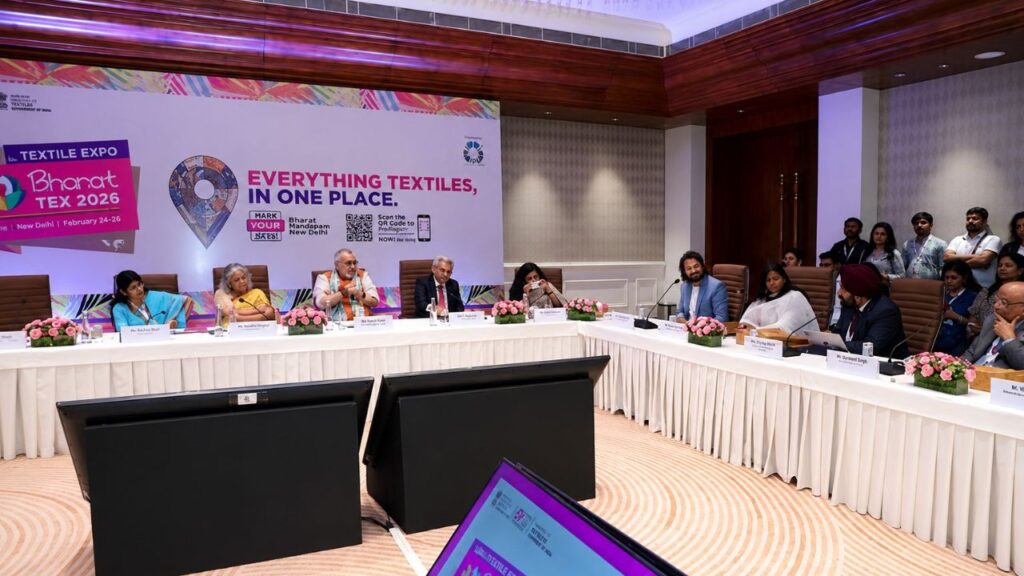
Later, addressing the Madhya Pradesh State Session, Dr. Yadav highlighted the state’s integrated textile value chain and its growing potential to attract domestic and international investments. He emphasized that expanding textile manufacturing would generate employment, strengthen industrial growth and contribute to India’s larger vision of becoming a global textile hub.
The session also included a media interaction focusing on the state’s investor-friendly policies and expanding textile infrastructure.
VisionNxt Explores India’s Role in Global Fashion
Innovation in design and consumer trends took centre stage during the National Institute of Fashion Technology’s (NIFT) VisionNxt session titled “Indian Trends to Global Taste: Forecasting for Billion Consumers.”
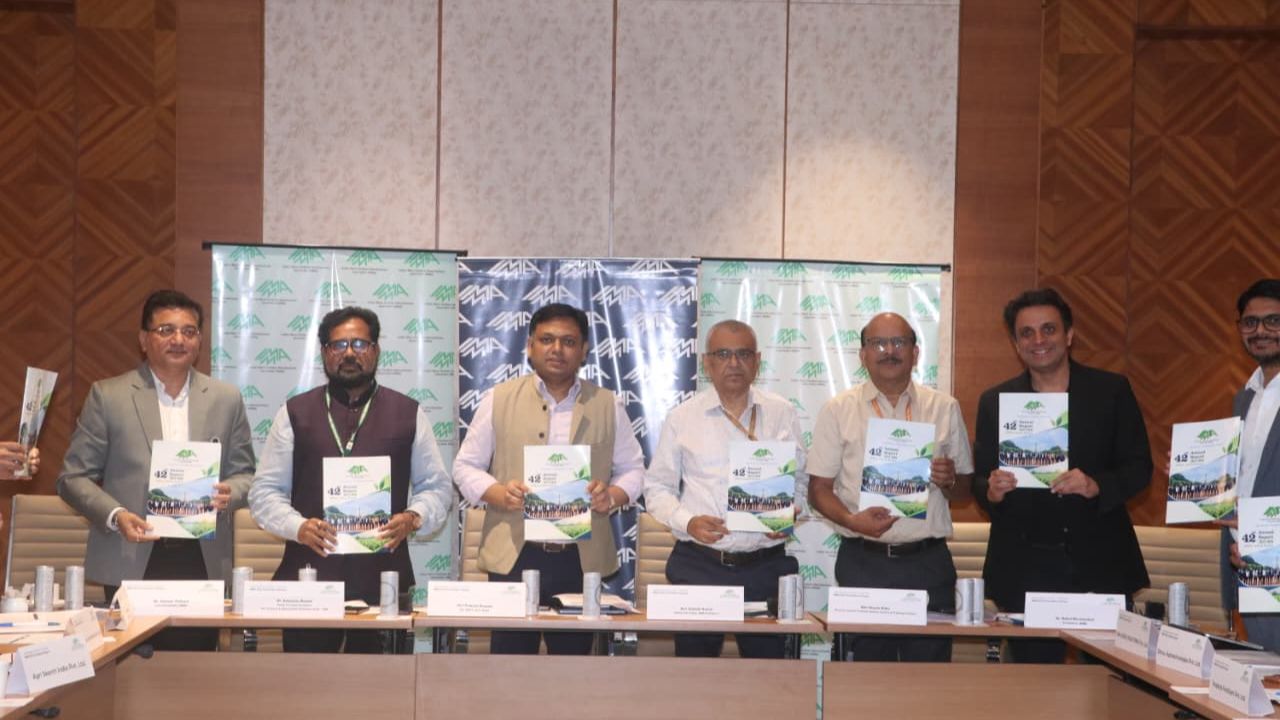
Industry experts discussed how India’s rich cultural heritage, combined with consumer insights and contemporary design thinking, can influence future global fashion trends. The session also witnessed the unveiling of the latest VisionNxt trend publication in the presence of Union Textiles Minister Giriraj Singh and industry representatives.
Sustainability Dominates Discussions
Sustainability remained the defining theme throughout the day’s programme.
The United Nations Development Programme (UNDP) hosted a session on the India Sustainable Textile Mark, focusing on establishing credible environmental and social standards for Indian textile and apparel products.
Another session, “Wheat Straw to Wardrobes,” explored innovative textile fibres produced from agricultural residues, highlighting opportunities to reduce dependence on conventional raw materials while promoting circular manufacturing practices.
Experts participating in the “Circular Textile: From Dialogue to Deployment” roundtable stressed the importance of translating sustainability commitments into commercially viable and scalable business models.
The conference also examined the future of organic cotton through discussions on fair commodity pricing. Industry representatives emphasised transparent pricing mechanisms, stronger farmer protection and long-term partnerships to build resilient organic cotton supply chains.
Responsible Sourcing and Green Finance in Focus
Responsible sourcing emerged as another key priority during a roundtable organised by the Better Cotton Initiative, where global brands, manufacturers and sustainability experts deliberated on traceability, supply-chain transparency and collaborative sourcing models.
Investment experts participating in the session “Weaving Capital In: Investor Perspectives on India’s Textile Sustainability Journey” highlighted the growing importance of financing clean technologies, circular business models and environmentally responsible enterprises to strengthen the sector’s long-term competitiveness.
Another panel examined financing mechanisms that can help build resilient, inclusive and globally competitive textile supply chains while encouraging sustainable manufacturing practices.
Digital Exports and Traditional Heritage
The event also focused on helping Indian textile businesses expand into international markets.
An Amazon Global Selling masterclass titled “From Bharat to the World“ explained how digital marketplaces can enable Indian textile enterprises, particularly small and medium businesses, to access global consumers through improved export readiness.
Meanwhile, a fireside conversation featuring the Development Commissioner for Handlooms celebrated India’s centuries-old weaving traditions. Speakers highlighted the need to preserve artisan skills while integrating traditional craftsmanship with modern markets and contemporary consumer preferences.
Industry Discusses Manufacturing Challenges
Industry leaders also addressed structural challenges affecting textile manufacturing.
A panel discussion examined why many Indian fabric manufacturers struggle to integrate garment production into their operations and explored the operational capabilities, supply-chain efficiencies and strategic investments needed to move up the value chain.
Another technical masterclass focused on sustainable chemical management frameworks, emphasising stronger environmental, social and governance (ESG) compliance and internationally accepted production standards that can improve India’s competitiveness in global markets, particularly in trade with the European Union.
The day concluded with the Sustainability Conclave Closing Plenary, where experts consolidated key recommendations and called for greater collaboration across government, industry, investors and global institutions. Discussions reinforced that India’s textile sector can achieve long-term global leadership by combining sustainability, innovation, technology adoption and responsible manufacturing with inclusive economic growth.

Author: Shivam
Proficient Writer Contact: [email protected]