
India’s 8th Trade Policy Review (TPR) at the World Trade Organization (WTO) began in Geneva on 21 July 2026, with the country reaffirming its commitment to a transparent, inclusive and rules-based global trading framework. The Indian delegation, led by Commerce Secretary Shri Rajesh Agarwal, presented India’s trade policies and economic progress before WTO members during the two-day review process scheduled for 21 and 23 July.
The Trade Policy Review Mechanism provides WTO members an opportunity to examine the trade and economic policies of member countries at regular intervals. The current review covers India’s policy developments from 1 January 2021 to 31 December 2025, assessing reforms, trade measures and initiatives undertaken during this period.
India Showcases Strong Economic Performance Amid Global Challenges
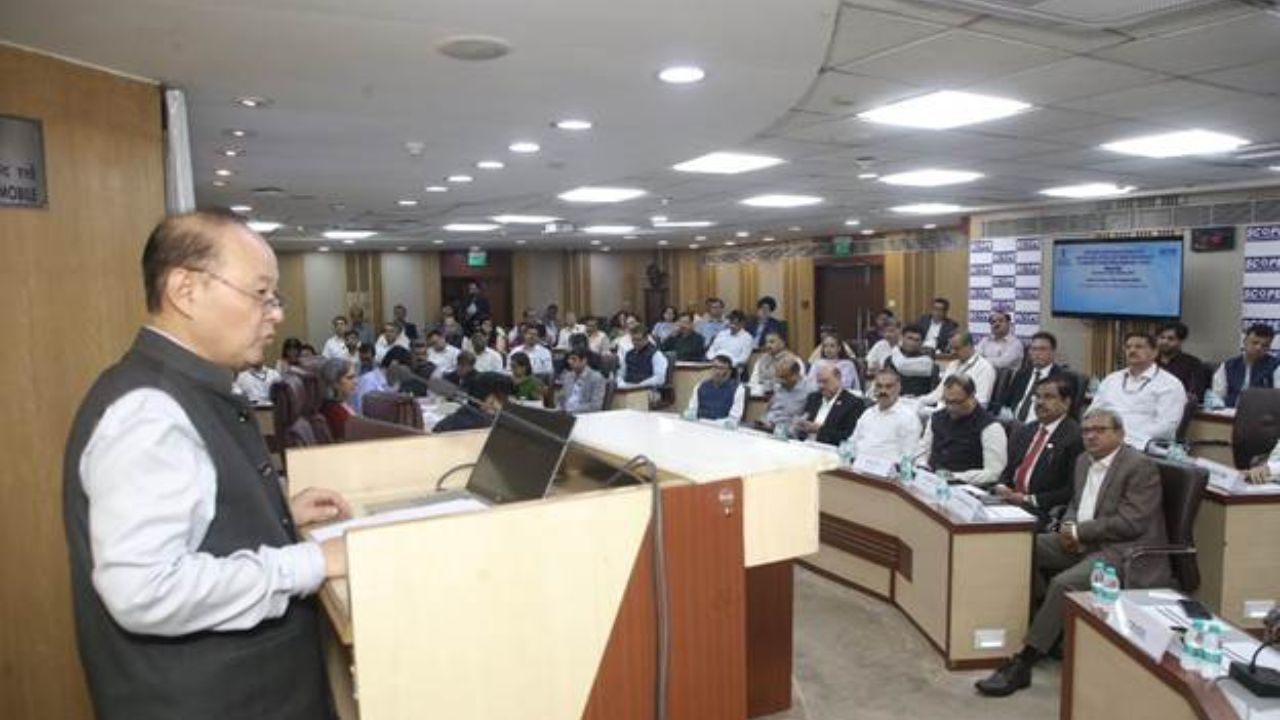
Addressing the WTO session, Commerce Secretary Rajesh Agarwal highlighted India’s robust economic performance despite significant global disruptions, including geopolitical uncertainties, supply chain challenges and increasing protectionist trends. He stated that India achieved an average annual economic growth rate of nearly 8 per cent during the review period.
He also highlighted India’s record export performance, with the country’s exports reaching USD 863.1 billion in 2025-26. According to him, India is undertaking the ambitious task of driving economic prosperity for nearly one-fifth of the world’s population while navigating rapid technological changes and shifting global economic patterns.
The Commerce Secretary emphasised that India’s growth strategy focuses on strengthening domestic capabilities while simultaneously increasing participation in global value chains. He stated that the vision of Aatmanirbhar Bharat aims to build self-reliance through innovation, competitiveness and deeper global economic engagement.
Focus on Reforms, Digital Infrastructure and Trade Facilitation
During the review, India highlighted several major reforms implemented in recent years to improve trade efficiency and business competitiveness. These include measures under the Jan Vishwas Initiative, digital customs reforms, logistics infrastructure development, quality enhancement systems and technology-driven governance.
India also showcased the role of Digital Public Infrastructure (DPI), artificial intelligence, innovation ecosystems and startup growth in transforming the country’s economic landscape. The delegation underlined efforts to promote sustainable development, strengthen agricultural resilience and enhance opportunities for small businesses, particularly Micro, Small and Medium Enterprises (MSMEs).
The Commerce Secretary reiterated India’s support for balanced WTO reforms that address developmental concerns while preserving the effectiveness of the multilateral trading system.
WTO Members Appreciate India’s Growth and Digital Transformation
Chairperson of the Trade Policy Review Body (TPRB), Ambassador Nelle Pepe Tavita Levy, welcomed the Indian delegation and acknowledged India’s emergence as one of the fastest-growing major economies. She highlighted India’s progress towards achieving the vision of Viksit Bharat by 2047.
She appreciated India’s leadership in digitally delivered services exports and its Digital Public Infrastructure initiatives, which have contributed to financial inclusion and improved trade facilitation. She also welcomed India’s acceptance of the WTO Agreement on Fisheries Subsidies following the submission of its Instrument of Acceptance.
Brazil’s representative and discussant for the review, H.E. Mr. Guilherme de Aguiar Patriota, praised India’s structural reforms, including the Goods and Services Tax (GST), which helped create a unified domestic market. He also acknowledged India’s digital trade initiatives, expanding export strategies and recent regional trade agreements.
He noted that India’s digital transformation model and development-focused reforms could provide valuable lessons for developing nations and Least Developed Countries (LDCs).
Members Discuss Trade Policies and Seek Clarifications
A total of 65 WTO members participated in discussions during India’s Trade Policy Review. Several countries appreciated India’s economic resilience, constructive role in global trade discussions and efforts to integrate MSMEs into international markets.
Members recognised India’s achievements in areas such as customs modernisation, digital infrastructure, innovation, startup development and expansion of regional trade partnerships. India’s acceptance of the WTO Agreement on Fisheries Subsidies was also welcomed by participants.
At the same time, WTO members sought additional information and clarifications on various aspects of India’s trade and investment policies, including Quality Control Orders (QCOs), trade remedy measures, regulatory practices and issues related to ongoing WTO reforms.
India Showcases Heritage and Innovation Through Exhibition
Alongside the review meeting, India organised an exhibition displaying a wide range of products representing the country’s craftsmanship, innovation and manufacturing capabilities. The exhibition highlighted India’s diverse cultural heritage and modern industrial strengths.
Traditional papier-mâché coasters presented as souvenirs received appreciation from WTO delegates, reflecting India’s rich artisanal traditions and commitment to promoting local craftsmanship on global platforms.
The 8th Trade Policy Review of India will conclude on 23 July 2026 after further discussions between WTO members and responses from the Indian delegation on issues raised during the review process. The meeting is expected to further strengthen India’s engagement with the global trading community while showcasing its economic transformation and reform journey.

Author: Shivam
Shivam Dwivedi is a senior journalist with extensive experience in research-driven journalism, policy communication, and multi-platform storytelling. His areas of interest include international relations, defence, science & technology, education, urban development, agriculture, spirituality, and environmental sustainability. His work focuses on in-depth analysis, public discourse, and impactful narratives across governance and development sectors, with a strong commitment to the Sustainable Development Goals (SDGs). Contact: [email protected]