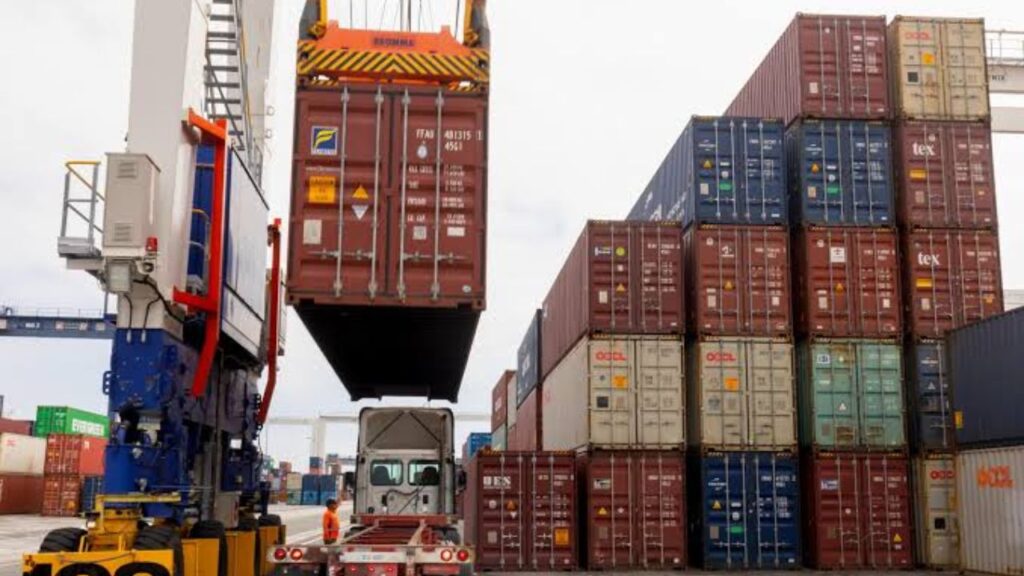

India achieved a historic milestone in international trade as the country’s total exports touched an all-time high of US$863.1 billion during the financial year 2025-26, supported by strong growth in both merchandise and services sectors. Merchandise exports accounted for US$441.8 billion, while services exports expanded to US$421.3 billion, reflecting the increasing competitiveness of Indian businesses across global markets.
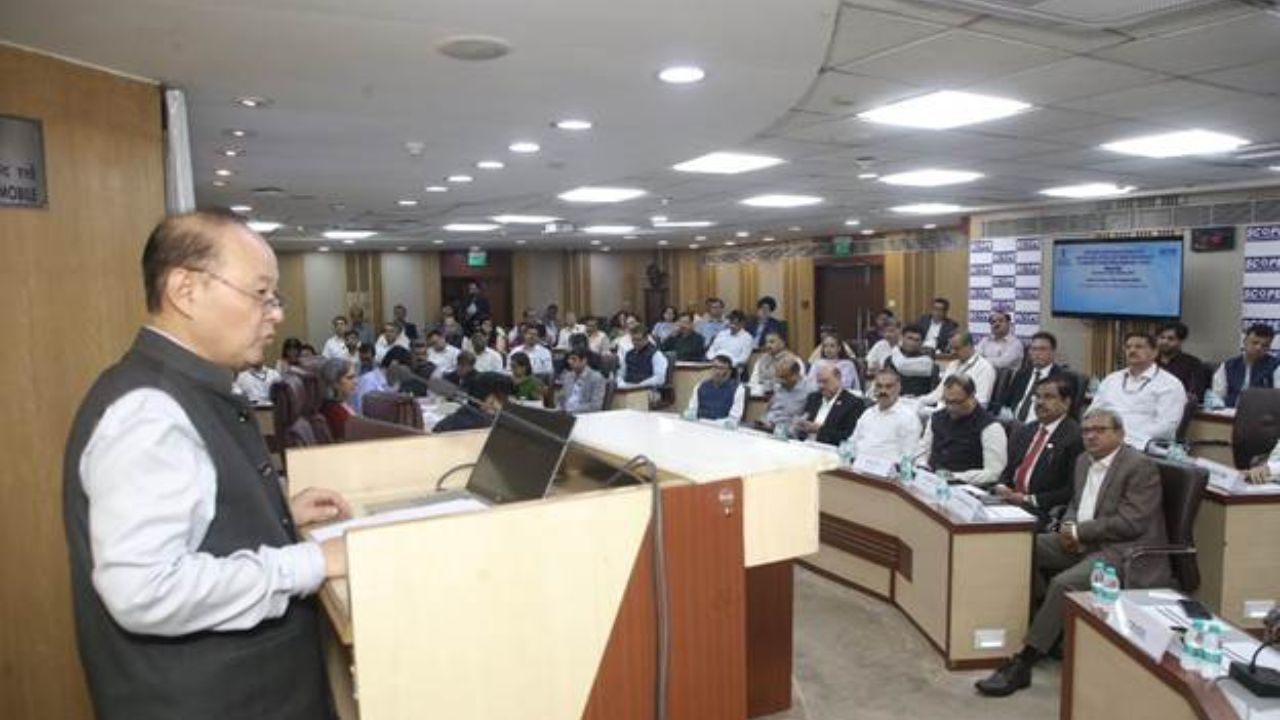
The export performance data was shared by Minister of State for Commerce and Industry Shri Jitin Prasada in a written reply in the Lok Sabha. The figures highlighted the growing importance of Free Trade Agreements (FTAs) in expanding India’s trade footprint and providing exporters with better access to international markets.
FTAs Drive Merchandise Export Growth
India’s trade agreements with various partner countries have played a significant role in enhancing export opportunities. During FY 2025-26, several FTA partners recorded substantial merchandise imports from India.
Among the major destinations, the United Arab Emirates (UAE) emerged as one of the largest markets for Indian goods under the India-UAE Comprehensive Economic Partnership Agreement (CEPA), with merchandise exports reaching US$37.35 billion. The ASEAN-India Trade in Goods, Services and Investment Agreement also contributed significantly, with exports to ASEAN countries amounting to US$38.41 billion.
Exports to SAFTA partner countries stood at US$25.77 billion, while India’s trade agreements with the United Kingdom, Singapore, Australia, Japan, South Korea and Malaysia also supported export expansion.
Under the newly implemented India-UK Comprehensive Economic and Trade Agreement (CETA), which came into effect on July 15, 2026, India’s merchandise exports to the UK reached US$13.44 billion during FY 2025-26.
India-UAE CEPA Expands Export Basket
The India-UAE CEPA, operational since May 2022, has shown strong utilisation among Indian exporters. Since its implementation, 4.45 lakh Certificates of Origin have been issued, indicating increased adoption of preferential tariff benefits.
The agreement has also helped diversify India’s export basket. The number of tariff lines exported to the UAE at the HS 8-digit level increased from 7,546 in FY 2021-22 before CEPA to 8,053 in FY 2025-26. Exports across these tariff lines were valued at US$37.3 billion, reflecting deeper market penetration and wider product coverage.
Australia and Mauritius Agreements Strengthen Market Presence
The India-Australia Economic Cooperation and Trade Agreement (ECTA) has also contributed to expanding export opportunities. Since its implementation in December 2022, around 2.73 lakh Certificates of Origin have been issued.
The number of tariff lines exported to Australia increased from 5,396 in FY 2021-22 to 5,668 in FY 2025-26, with exports valued at approximately US$7.2 billion. The growth indicates greater diversification of Indian products in the Australian market.
Similarly, under the India-Mauritius CECPA, Indian exporters have utilised preferential access through nearly 1,956 Certificates of Origin. The number of tariff lines exported to Mauritius rose from 3,593 before the agreement to 4,345 in FY 2025-26, supporting wider market access.
New Agreements Open Fresh Export Opportunities
India’s recently concluded trade agreements with Oman, EFTA countries, New Zealand and the UK are expected to further strengthen export growth.
The India-Oman CEPA, effective from June 1, 2026, provides duty-free access for a large share of India’s exports to Oman. Following implementation, the number of tariff lines exported to Oman increased significantly, with exports showing strong month-on-month and year-on-year growth.
Under the India-EFTA Trade and Economic Partnership Agreement (TEPA), EFTA countries have offered concessions covering 92.2% of tariff lines, representing around 99.6% of India’s exports. Since the agreement came into force in October 2025, thousands of Certificates of Origin have been issued, reflecting growing utilisation by exporters.
Focus on Labour-Intensive Sectors and Global Integration
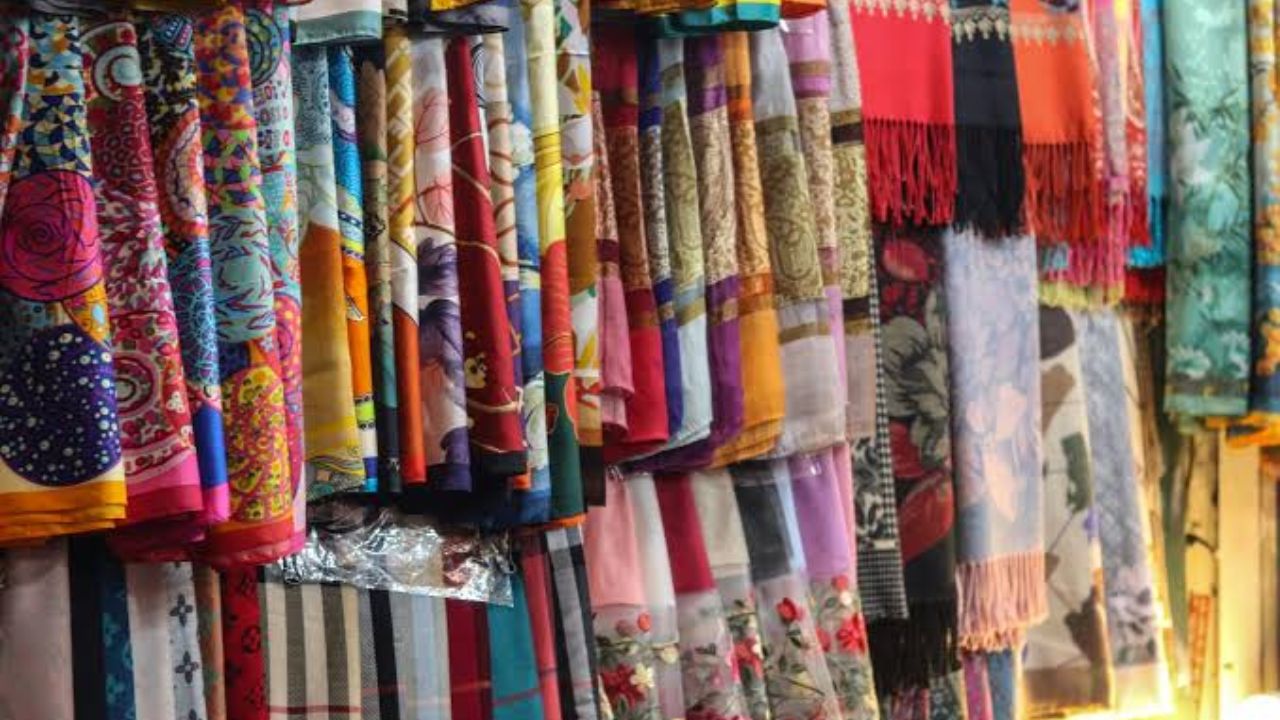
The government has prioritised labour-intensive industries in recent trade negotiations to generate employment and strengthen India’s manufacturing ecosystem. FTAs with countries including the UAE, Australia, the UK, Oman, New Zealand and EFTA provide improved access for sectors such as textiles and apparel, leather and footwear, gems and jewellery, marine products, carpets, handicrafts and agricultural goods.
At the same time, India has maintained safeguards for sensitive domestic sectors through calibrated tariff reductions and transition mechanisms.
Strengthening Trade Facilitation Infrastructure
To support exporters, the Department of Commerce has developed digital platforms including Trade e-Connect and the Trade Intelligence and Analytics (TIA) Portal.
Trade e-Connect provides exporters with information on market opportunities, tariffs, non-tariff barriers, rules of origin, buyer-seller connections and FTA-related guidance. The TIA Portal offers trade analytics, commodity-level data and interactive dashboards to help policymakers and businesses make informed decisions.
Through a coordinated approach involving government departments, export promotion councils, commodity boards, state governments and Indian missions abroad, India aims to further enhance export competitiveness and strengthen its position in global trade.

Author: Shivam
Shivam Dwivedi is a senior journalist with extensive experience in research-driven journalism, policy communication, and multi-platform storytelling. His areas of interest include international relations, defence, science & technology, education, urban development, agriculture, spirituality, and environmental sustainability. His work focuses on in-depth analysis, public discourse, and impactful narratives across governance and development sectors, with a strong commitment to the Sustainable Development Goals (SDGs). Contact: [email protected]