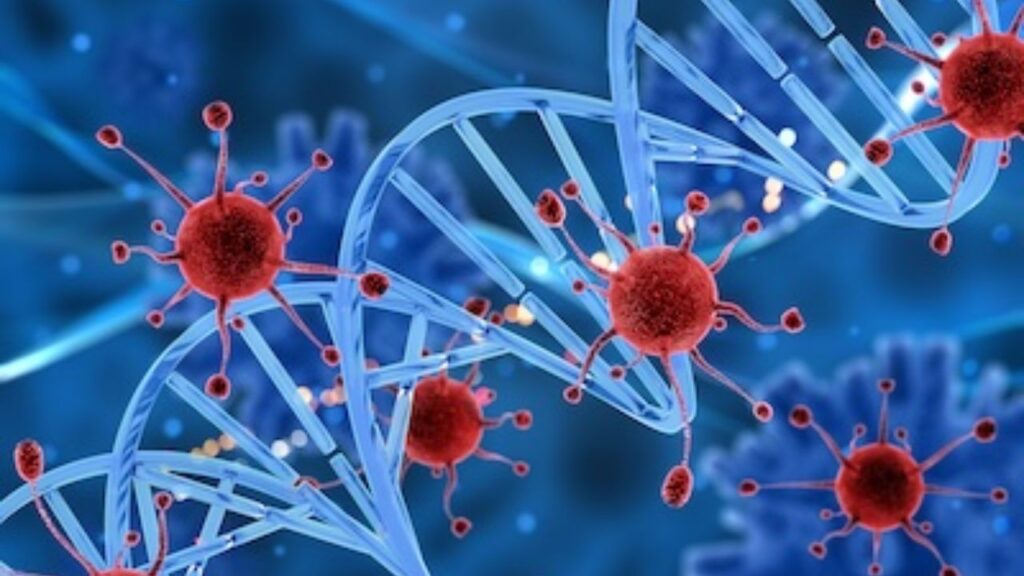

Researchers from the Institute of Nano Science and Technology (INST), Mohali, have developed an innovative light-driven multifunctional nanobot that could significantly improve the precision and effectiveness of breast cancer treatment. The breakthrough technology combines targeted drug delivery, phototherapy, and active navigation under near-infrared (NIR) light, offering a promising alternative to conventional cancer therapies that often cause severe side effects.
The research, published in the journal ACS Applied Materials & Interfaces, demonstrates the therapeutic potential of fuel-free nanobots capable of selectively targeting breast cancer cells while minimizing damage to healthy tissues.
Addressing the Limitations of Conventional Cancer Treatment
Breast cancer remains one of the leading causes of cancer-related deaths among women worldwide. While chemotherapy continues to be one of the most widely used treatment options, it often affects healthy tissues along with cancerous cells because anticancer drugs are distributed throughout the body rather than being confined to tumors. This non-specific delivery frequently results in serious side effects, reduced treatment efficiency, and the development of drug resistance.
Although nanomedicine has improved targeted drug delivery to some extent, most existing nanoparticles depend on passive accumulation inside tumors. Such approaches often suffer from poor tissue penetration and limited control over where and when therapeutic action occurs.
Scientists believe that stimulus-responsive nanorobots, activated through external signals such as near-infrared light or magnetic fields, could overcome these challenges by providing precise and controlled cancer treatment with lower systemic toxicity.
Intelligent Nanobots Powered by Near-Infrared Light
The research was led by Dr. Jiban Jyoti Panda of INST, Mohali, an autonomous institute under the Department of Science and Technology (DST), in collaboration with Dr. Santosh K. Gupta of Bhabha Atomic Research Centre (BARC), Mumbai.
The research team, including first author Swapnil Srivastava along with Annu Balhara, Pankaj Kharra, and Jyoti Yadav, developed nanobots based on upconversion nanoparticles (UCNPs). These specially designed nanoparticles efficiently convert biologically compatible near-infrared light into heat, enabling the nanobots to move directionally toward the light source.
Unlike many previously developed light-powered nanorobots that require ultraviolet or visible light—which has limited penetration into body tissues and may damage healthy cells—the newly developed system operates using 980 nanometre near-infrared light. This wavelength penetrates deeper into biological tissues, making it more suitable for medical applications.
Dual Attack on Cancer Cells
The multifunctional nanobots are coated with polydopamine, which produces localized heating when exposed to NIR laser light. This heating creates a temperature gradient that enables the nanobots to move actively toward the laser source through a phenomenon known as phototaxis.
In addition to their guided movement, the researchers functionalized the nanobots with a photosensitizer capable of generating reactive oxygen species (ROS) when activated by NIR light. These highly reactive molecules damage and destroy cancer cells through photodynamic therapy.
The combined photothermal effect, generated by localized heating, and photodynamic therapy, driven by ROS production, resulted in significantly enhanced tumor destruction compared to either treatment alone.
Improved Targeting Through Folic Acid
To improve selectivity, the researchers modified the surface of the nanobots with folic acid. Many breast cancer cells overexpress folate receptors, allowing the folic acid-coated nanobots to preferentially recognize and bind to cancerous cells while avoiding healthy tissues.
This targeted recognition enhances the efficiency of localized treatment and reduces unintended damage to surrounding healthy cells. The therapeutic response can also be regulated through laser intensity as well as biological factors such as pH and glutathione concentration, providing an additional level of precision during treatment.
Successful Results in Laboratory and Animal Studies
The research team evaluated the performance of the nanobots in both laboratory-grown cancer cells and breast tumor-bearing mice. The studies demonstrated effective tumor targeting, active movement under NIR light, and significant inhibition of tumor growth.
The nanobots operated without requiring any chemical fuel, making them more suitable for biological environments and reducing concerns associated with fuel-driven nanomachines.
According to the researchers, the integration of active navigation, cancer cell-specific targeting, and combined photothermal and photodynamic therapy within a single nanoplatform represents an important step toward next-generation precision medicine.
The development highlights the growing role of nanorobotics in oncology and opens new possibilities for minimally invasive, externally controlled cancer treatments. While further preclinical and clinical studies will be required before the technology reaches hospitals, the findings offer a promising pathway toward safer and more effective treatment options for breast cancer patients in the future.