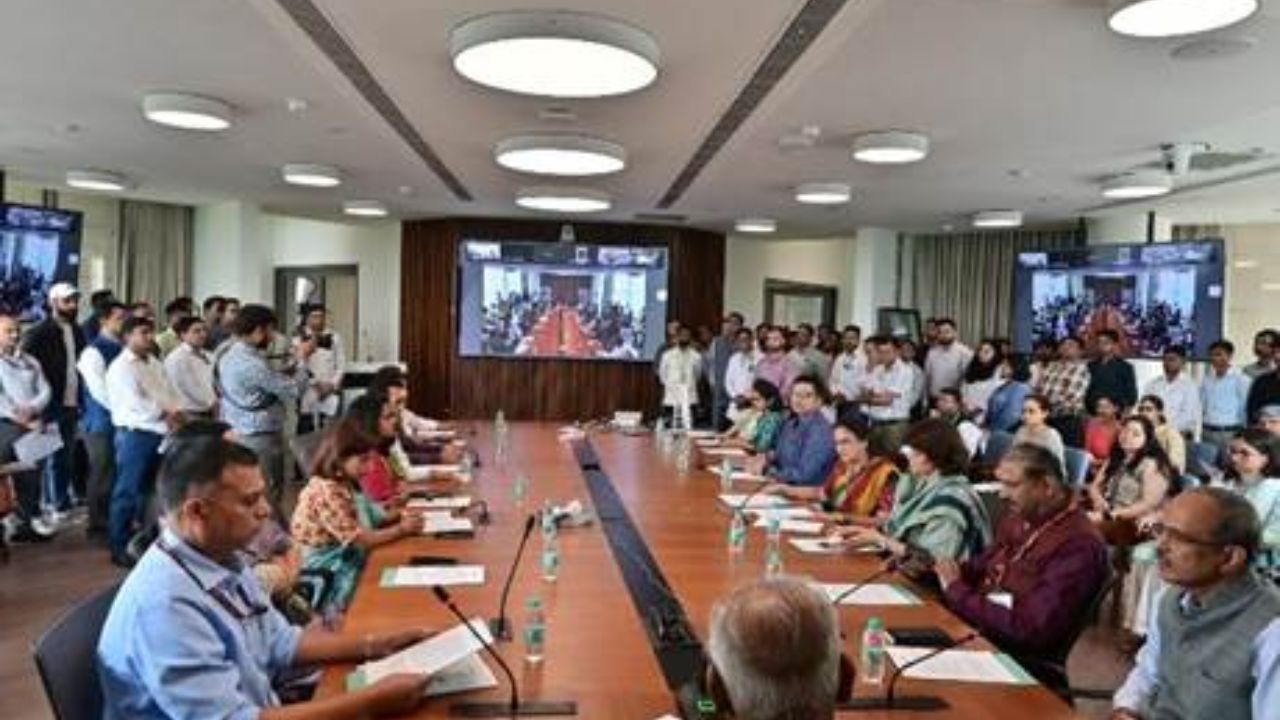
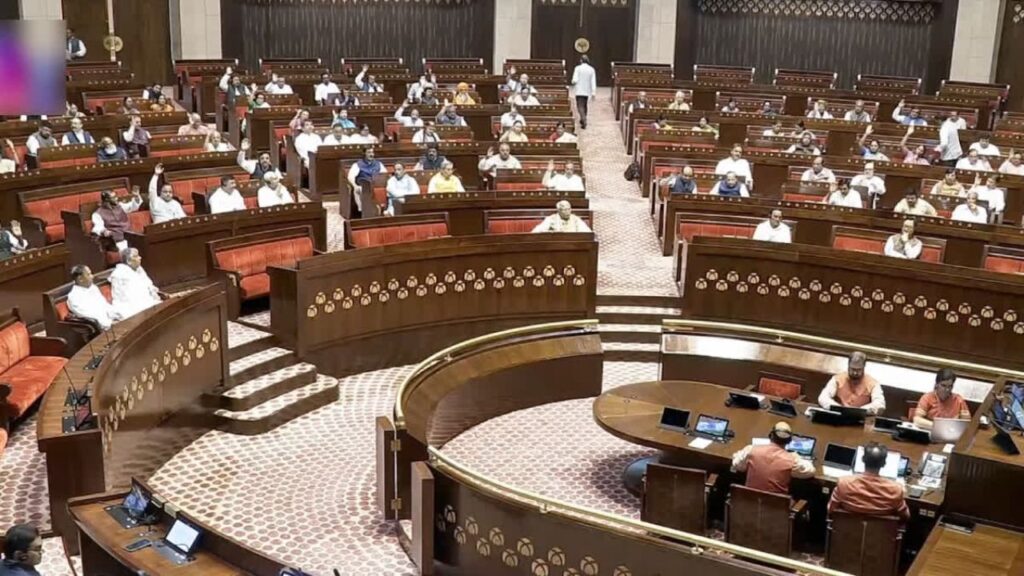

The Micro, Small and Medium Enterprises Development (Amendment) Bill, 2026, has received approval from both Houses of Parliament, marking a significant step towards strengthening India’s MSME ecosystem. The Bill was passed by the Lok Sabha on 7 August 2026 after being approved by the Rajya Sabha on 3 August 2026.
The amendment comes at a time when the MSME sector is undergoing rapid transformation due to technological advancements, digital platforms, and evolving business regulations. The Micro, Small and Medium Enterprises Development Act, originally enacted in 2006, has completed two decades, making the revision necessary to address emerging challenges and create a more supportive environment for enterprises.
The MSME sector is widely regarded as a key pillar of India’s economy, contributing significantly to employment generation and industrial development. The number of enterprises registered on the Udyam Registration Portal has grown substantially, increasing from 1.65 crore on 1 April 2023 to over 9.16 crore currently. The sector provides employment opportunities to more than 40 crore people across the country.
Strengthening MSME Legal Framework and Digital Registration
The amended Act aims to modernise the legal framework governing MSMEs by aligning it with the changing business environment. The classification of MSMEs based on the twin parameters of investment in plant and machinery or equipment and annual turnover has now been incorporated into the legislation.
The amendment also provides statutory recognition to the Udyam Registration Portal as a digital, free, and voluntary platform for MSME registration. This move is expected to further encourage formalisation of enterprises while simplifying compliance procedures for small businesses.
Faster Resolution of Delayed Payment Issues
Delayed payments have long been a major challenge for Micro and Small Enterprises (MSEs). The amendment introduces several measures to improve payment mechanisms and ensure timely resolution of disputes.
A key provision is the introduction of Online Dispute Resolution (ODR), which will enable MSMEs to settle payment-related disputes in a faster and more cost-effective manner. The amendment also provides that courts must order payment of at least 50 per cent of the awarded amount to MSE suppliers if an application challenging a decree, award, or order remains pending for more than six months.
To speed up dispute settlement, specific timelines have been introduced. Mediation proceedings conducted by Micro and Small Enterprises Facilitation Councils (MSEFCs) or mediation service providers must be completed within 90 days from the first appearance date. If mediation fails, the matter must be referred for arbitration within 30 days. The arbitration process will also have to conclude within 90 days after completion of pleadings.
Improved Recovery Mechanism and TReDS Expansion
The amended Act strengthens recovery mechanisms by allowing mediated settlement agreements and arbitral awards under Section 18 to be recovered as arrears of land revenue. Recovery can be initiated through District Collectors, Deputy Commissioners, or notified authorities in areas where the buyer’s assets are located.
Another important reform focuses on improving cash flow for MSMEs through the Trade Receivables Discounting System (TReDS). Under the new provisions, all Central Public Sector Enterprises (CPSEs) will be required to route invoice settlements for goods and services purchased from MSMEs through TReDS platforms.
TReDS has emerged as an important financial mechanism that provides liquidity support to MSMEs by enabling invoice discounting. The value of invoice discounting through TReDS has increased significantly from around ₹40,000 crore in 2022-23 to ₹3.47 lakh crore in 2025-26. Mandatory participation of CPSEs is expected to further address payment delays faced by small businesses.
More Flexible MSME Facilitation Councils
The amendment provides greater flexibility to state governments in establishing and managing Micro and Small Enterprises Facilitation Councils. The composition of MSEFCs has been rationalised, allowing states to create multiple councils for quicker disposal of payment disputes.
The provision is expected to improve the efficiency of dispute resolution mechanisms and help MSMEs receive dues without prolonged legal procedures.
Promoting Trust-Based Regulations Through Decriminalisation
A major feature of the amendment is the decriminalisation of certain offences under the MSMED Act. Earlier, violations such as non-filing of registration details or failure to provide required information attracted conviction and monetary penalties.
The revised framework replaces criminal provisions with graded civil penalties. In cases of incorrect information submission, businesses will receive a warning for the first violation, while penalties will apply for subsequent offences. Similarly, non-disclosure of unpaid amounts with interest in annual accounts will now follow a progressive penalty structure instead of conviction-based punishment.
Supporting Vision of Viksit Bharat @2047
The MSMED Act amendments reflect the government’s objective of creating a growth-oriented and business-friendly ecosystem for small enterprises. By improving formalisation, simplifying regulations, strengthening payment systems, and promoting easier compliance, the reforms aim to help MSMEs expand and emerge as engines of economic growth.
A stronger MSME sector is expected to contribute towards inclusive development, employment generation, and India’s long-term goal of becoming a developed economy under the vision of Viksit Bharat @2047.