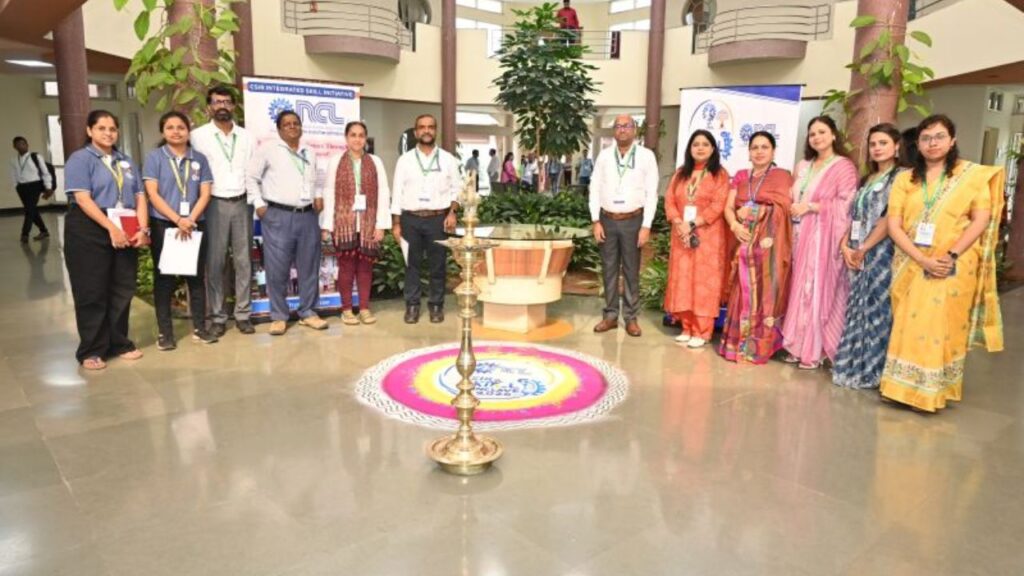

The Council of Scientific and Industrial Research (CSIR) reviewed the first-year progress of Phase III (2025–30) of its Integrated Skill Initiative during a two-day Coordinators’ Conclave-cum-Meeting of the Monitoring Committee held on August 6–7, 2026, at CSIR-National Chemical Laboratory (CSIR-NCL), Pune.
The conclave was organised by CSIR-Human Resource Development Centre (CSIR-HRDC), Ghaziabad, in collaboration with CSIR-NCL. The meeting brought together representatives from participating CSIR laboratories to assess implementation, exchange best practices and develop strategies for strengthening skill development programmes across the country.
Focus on Building an Industry-Ready Workforce
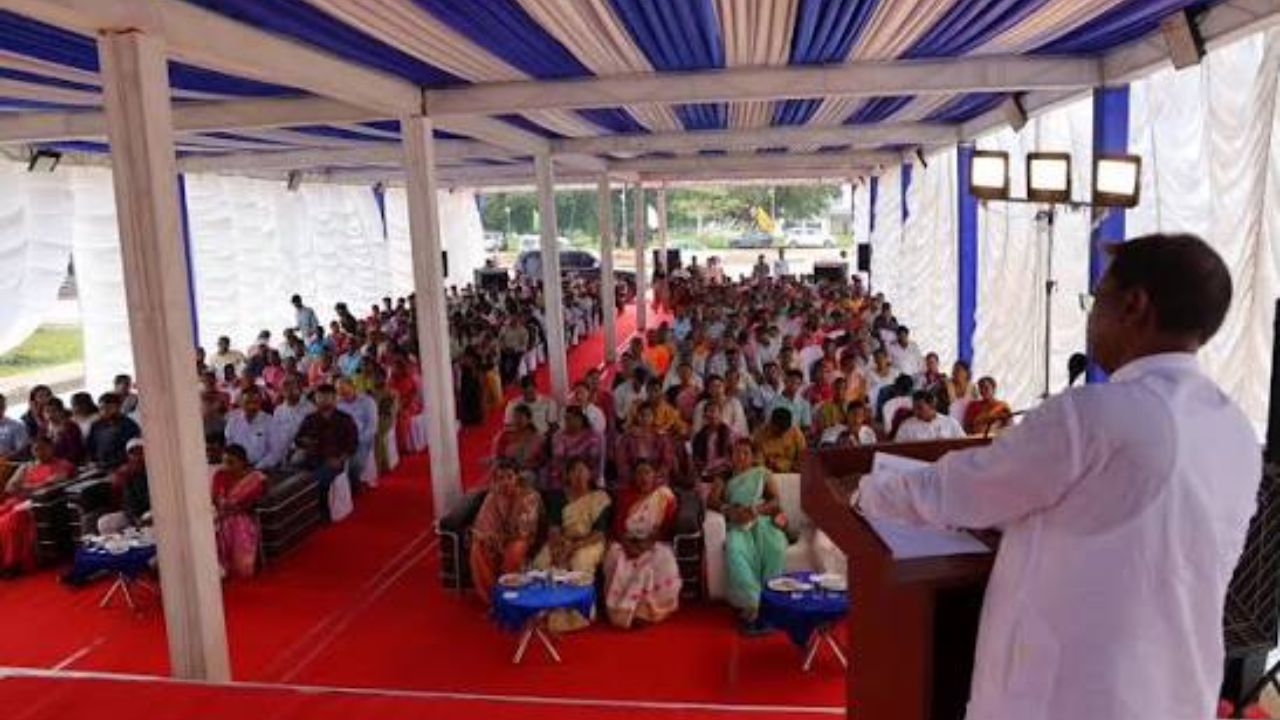
The inaugural session highlighted the importance of collaboration, innovation and skill development in creating a technology-oriented workforce. Dr Rajesh G. Gonnade, Scientist-G, CSIR-NCL, welcomed the dignitaries and participants.
Dr Vinay Kumar, Scientist-G and Skill Nodal Principal Investigator at CSIR-HRDC, outlined the objectives of the conclave and presented an overview of the progress achieved during 2025–26. He emphasised the role of the CSIR Integrated Skill Initiative in developing a nationwide ecosystem for skill development and nurturing industry-ready talent.
Dr Abhishek Kumar, Scientist-F, CSIR-Central Planning Directorate (CPD), highlighted key achievements and policy interventions undertaken during the year. Dr T. S. Rana, Head, CSIR-HRDC, stressed the organisation’s efforts to transform scientific knowledge into digitally enabled, experiential and innovation-driven skill development solutions.
Monitoring Committee Reviews Progress of 37 Laboratories
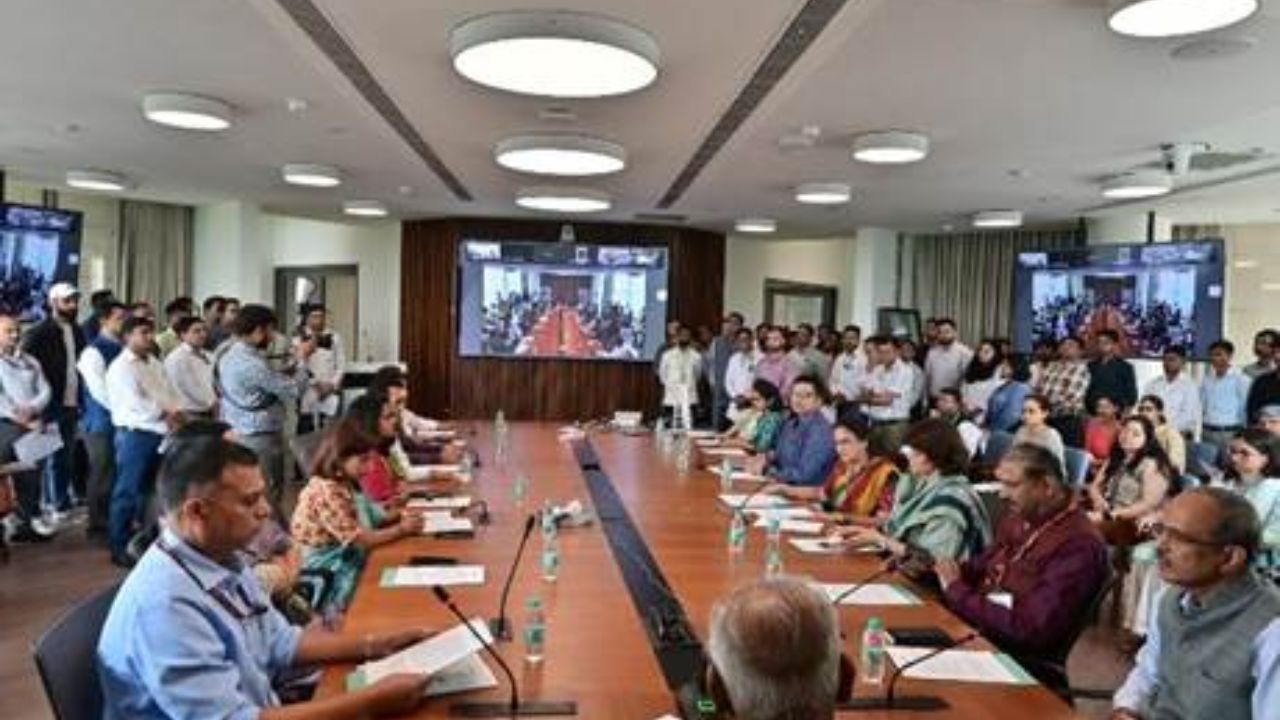
A major component of the conclave was the detailed assessment of the first year of Phase III. Skill Nodal Coordinators representing all 37 participating CSIR laboratories presented their annual progress reports.
The presentations covered training programmes, trainee outreach, innovative approaches, implementation challenges and plans for the coming period. The exercise enabled the Monitoring Committee to assess the progress of the initiative across laboratories and identify successful practices that could be replicated elsewhere.
The Monitoring Committee was chaired by Dr Mohana Krishna Reddy Mudiam, Director, Institute of Pesticide Formulation Technology (IPFT), Gurugram. Other members included Shri N. Ramesh Babu, Director, Ministry of Skill Development and Entrepreneurship; Ms Anju Bajaj, Joint Secretary, Delhi Productivity Council; Dr Arvind Kumar, Professor and Chairperson, J. C. Bose University of Science and Technology; and Mr Anshul Saxena, Vice President, Life Sciences Sector Skill Development Council (LSSSDC).
The committee appreciated the progress achieved during 2025–26 and provided recommendations aimed at improving the quality, outreach, effectiveness and long-term impact of skill development activities.
Five Priority Pillars for Future Growth
Dr Mohana Krishna Reddy Mudiam underlined the importance of skill development in nation-building and outlined five priority pillars to guide the initiative towards a future-ready and industry-aligned ecosystem.
Dr Ashish Lele, Director, CSIR-NCL, said CSIR’s extensive network of laboratories and scientific expertise places it in a strong position to contribute to the Skill India Mission and help India emerge as a global centre for skilled talent.
Strengthening Industry-Academia Collaboration
The second day featured technical sessions focused on collaboration and effective programme management. Mr Anshul Saxena discussed opportunities for cooperation between CSIR and LSSSDC, with emphasis on strengthening industry-academia linkages, improving employability and ensuring that training programmes remain aligned with evolving industry requirements.
Dr Abhishek Kumar conducted another session on project planning and budget management. The discussion focused on financial resource optimisation, effective monitoring and efficient implementation of skill development projects.
Roadmap for a Stronger Skill Ecosystem
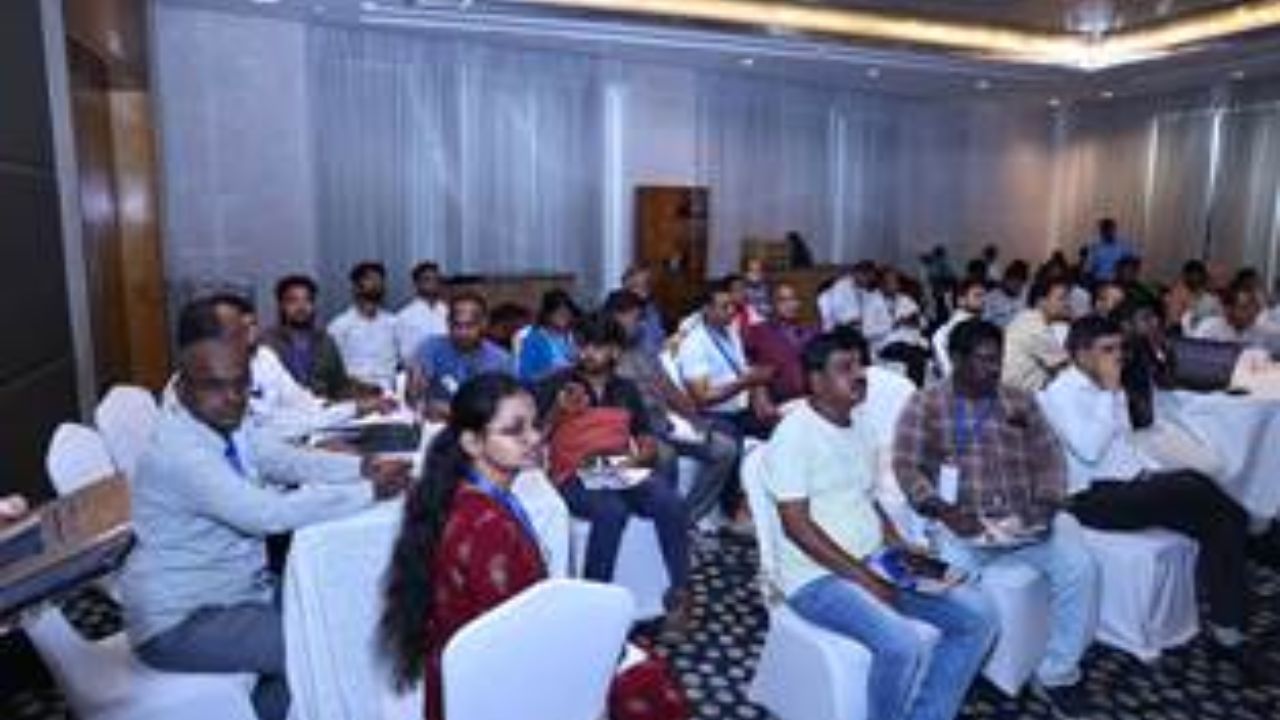
The conclave concluded with an open discussion in which Skill Nodal Officers shared their experiences, challenges and suggestions. The deliberations helped reinforce coordination among CSIR laboratories and provided a roadmap for improving the reach and quality of the Integrated Skill Initiative.
The recommendations emerging from the meeting are expected to support the effective implementation of Phase III and strengthen efforts to develop a highly skilled scientific and technical workforce capable of contributing to India’s technology-driven growth.
Also Read: New Quantum Communication Protocol Offers Pathway to More Efficient and Reliable Networks