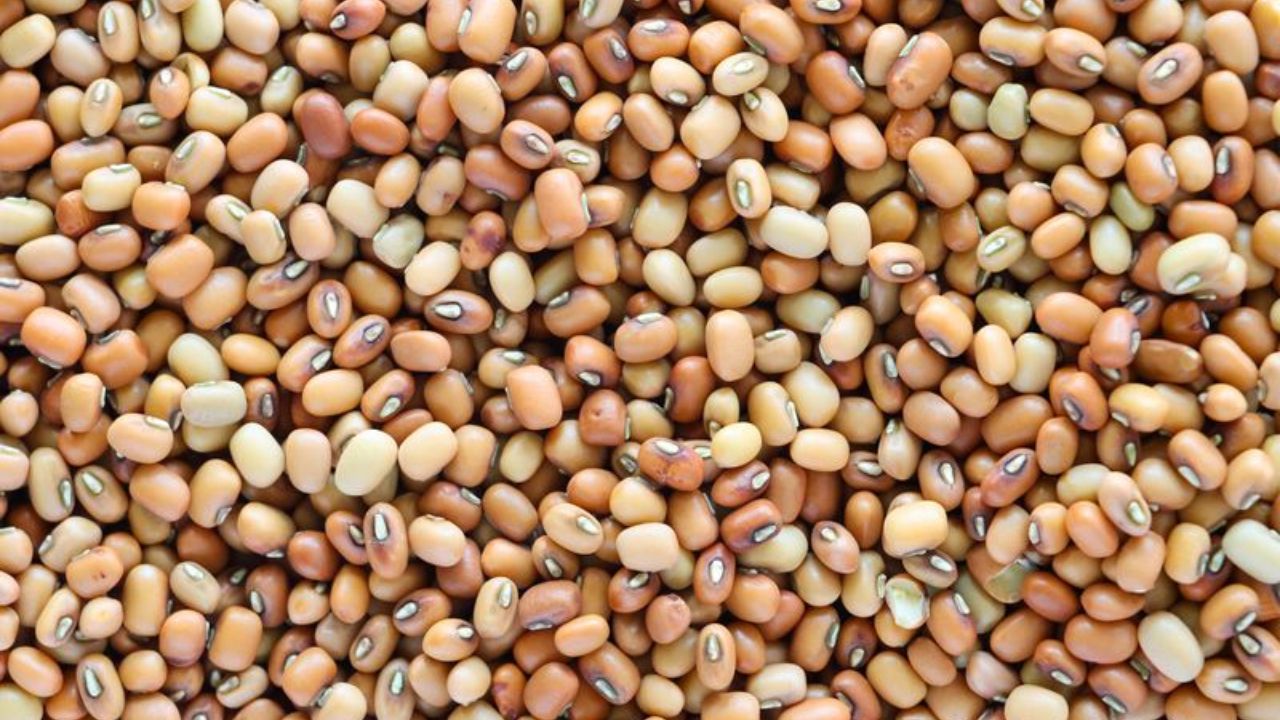


New moth bean varieties developed by the ICAR–Central Arid Zone Research Institute (CAZRI), Jodhpur, have demonstrated strong resilience to prolonged moisture stress during Kharif 2026, offering fresh prospects for improving pulse production in the arid regions of western Rajasthan.
Moth bean is among the major pulse crops cultivated in the hot and dry areas of Rajasthan and covers nearly 10 lakh hectares. However, average productivity remains low at around 350 kg per hectare because the crop is largely dependent on highly variable rainfall. The region typically receives only 150–250 mm of rainfall, often accompanied by dry spells lasting 20–30 days. Under these conditions, crop varieties capable of sustaining growth and reproductive development despite declining soil moisture are essential.
CAZRI has been pursuing moth bean breeding and genetic improvement programmes for more than a decade, focusing on varieties capable of adapting to the region’s unpredictable climatic conditions. Four varieties—CAZRI Moth-4, CAZRI Moth-5, CAZRI Moth-6 and CAZRI Moth-7—were released during the past three years. Their performance during the current El Niño year has highlighted their ability to withstand severe moisture stress in field conditions.
During the crop period from July 10 to September 2, 2026, cumulative pan evaporation was approximately 317 mm. Following rainfall on August 3, no substantial rainfall occurred for an extended period. The resulting dry spell continued for about 35 days, during which cumulative pan evaporation reached nearly 180 mm. Despite the prolonged rainless period, the newly developed varieties maintained healthy growth and showed good pod formation during the reproductive phase.
Soil moisture observations also highlighted the severity of the stress. Moisture in the upper 0–10 cm soil layer stood at around 15–16 per cent until August 2, when the area received 86 mm of rainfall. It subsequently fell to approximately 5–6 per cent after more than a month of predominantly dry weather, with only three to four scattered showers of less than 2.5 mm. In the deeper 10–40 cm layer, soil moisture declined from about 23 per cent to 16 per cent, continuing to provide some water to the crop.
The varieties’ performance was supported by suitable agronomic practices. Farmers and researchers followed timely sowing with the arrival of the monsoon, maintained a plant spacing of 45 × 10 cm and carried out mechanical interculture around 20 days after sowing to conserve moisture. Weed control, including mechanical operations and spot manual weeding, also helped reduce competition for limited soil moisture.
The experimental fields represented challenging soil conditions, with organic carbon levels of only 0.13–0.18 per cent and a pH of 7.9–8.1. Available nitrogen was recorded at 90–100 kg per hectare, phosphorus at 10–15 kg per hectare and potassium at 250–260 kg per hectare.
Seed multiplication of all four varieties is also underway. CAZRI is currently producing seed on seven hectares at its research farm to meet the 23.32-quintal requirement indented through the Saathi Portal for 2026. The corresponding demand for these varieties in 2025 stood at 63.2 quintals. Seed multiplication is being supported by the Rajasthan State Seeds Corporation, National Seeds Corporation and selected private agencies.
According to CAZRI, one quintal of breeder seed can potentially generate around 1,000–1,400 quintals of certified seed. If effectively multiplied and distributed, this quantity could support cultivation across nearly 10,000 hectares. Even if only half of this potential is realised, broader adoption could eventually cover about one-fourth of Rajasthan’s moth bean acreage.
A key feature of the new varieties is developmental plasticity. They begin flowering at around 30 days after sowing and can adjust their growth and maturity according to soil moisture availability. This characteristic is particularly valuable in western Rajasthan, where rainfall can differ sharply in quantity, timing and distribution.
Dr M. L. Jat, Secretary, Department of Agricultural Research and Education (DARE) and Director General, ICAR, described moth bean as a distinctive crop of the Thar Desert. He said climate-resilient CAZRI varieties could contribute to improving farmer incomes, strengthening pulse self-reliance and creating greater prosperity in the desert region.
He also stressed that genetic improvement must be complemented by timely sowing, optimum plant population, weed control and moisture-conservation measures to enable farmers to fully realise the potential of climate-resilient varieties under rainfed conditions.
Also Read: Steel Slag Road Technology Cuts Costs, Boosts Durability as India Sets New Infrastructure Milestone

Author: Shivam
Shivam Dwivedi is a senior journalist with extensive experience in research-driven journalism, policy communication, and multi-platform storytelling. His areas of interest include international relations, defence, science & technology, education, urban development, agriculture, spirituality, and environmental sustainability. His work focuses on in-depth analysis, public discourse, and impactful narratives across governance and development sectors, with a strong commitment to the Sustainable Development Goals (SDGs). Contact: [email protected]