
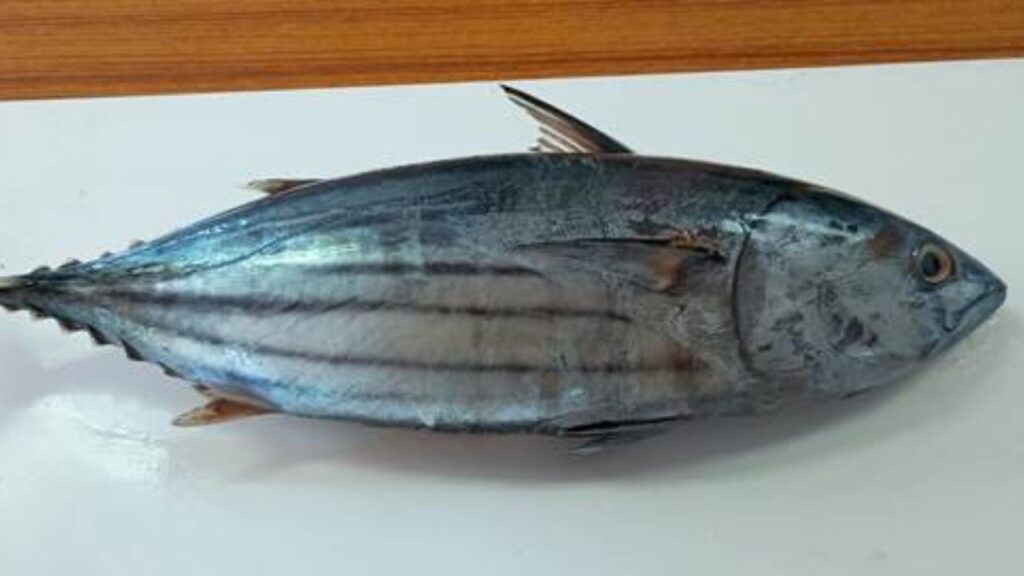

The ICAR-Central Marine Fisheries Research Institute (ICAR-CMFRI) has advised consumers not to stop eating tuna or other commercially available fish based solely on reports of parasitic infections found in fish from a particular geographical region. The institute said that parasite-related findings from one location should not be generalised to fish caught in Indian waters.
The advisory comes after reports of parasites detected in skipjack tuna examined as part of a study involving fish from the Atlantic Ocean off the coast of Brazil. ICAR-CMFRI clarified that the occurrence and intensity of parasites can differ considerably between fish populations and geographical locations, depending on local ecological conditions and the presence of intermediate or secondary hosts.
According to the institute, fish examined along the Indian coast, including tuna, have not displayed external signs associated with harmful parasitic infestation. Scientists at ICAR-CMFRI routinely examine commercially important fish species as part of their studies on fish biology, health and population characteristics. Where required, these examinations also include observations for abnormalities and parasites.
Dr Grinson George, Director of ICAR-CMFRI, said that the institute’s scientists regularly study fish species, including skipjack tuna, and monitor them for possible abnormalities. He noted that the fish examined by the institute have not shown external manifestations of harmful parasitic infestation.
The institute also highlighted that parasites are naturally occurring components of marine ecosystems and their prevalence can vary according to environmental and biological conditions. Factors such as the availability of copepods and other intermediate or secondary hosts can influence the presence and abundance of parasites in fish.
ICAR-CMFRI further pointed out that differences in parasite occurrence are sometimes used by researchers as biological indicators to distinguish between different fish stocks or populations. Consequently, observations recorded in fish from one oceanic region cannot automatically be assumed to apply to the same species inhabiting another geographical area.
While reassuring consumers about tuna available in Indian markets, the institute stressed the importance of following proper food-handling practices. Prompt and appropriate evisceration is recommended during fish processing, as the intestines and other internal organs are normally removed while cleaning the fish.
Proper cooking is another important food-safety measure. According to ICAR-CMFRI, adequate cooking at high temperatures can kill parasites and substantially reduce potential food-safety risks associated with their presence.
The institute noted that the risk profile can be different in countries and communities where raw or lightly cooked seafood is consumed as part of traditional dietary practices. In such situations, the potential risk may be greater if parasite prevalence in locally sourced seafood is high and has not been adequately assessed.
In India, seafood is generally consumed after cooking, often at sufficiently high temperatures, which provides an additional safeguard against food-borne risks.
ICAR-CMFRI therefore urged consumers to avoid drawing conclusions about Indian fish based on isolated reports concerning fish from other parts of the world. Instead, consumers should focus on proper cleaning, handling, storage and cooking practices when preparing seafood.
The institute emphasised that tuna and other commercially available fish remain valuable sources of nutrition. Consumers can continue to include fish in their diets while observing appropriate food-safety practices. The advisory aims to provide scientific context to parasite-related reports and prevent geographical findings from being incorrectly applied to fish caught in Indian waters.
Also Read: NRAA Holds National Technical Committee Meeting to Strengthen Watershed Development Guidelines

Author: Shivam
Proficient Writer Contact: [email protected]