
The National Traders’ Welfare Board (NTWB) held its 11th meeting at Vanijya Bhawan, New Delhi, in hybrid mode, reviewing a broad range of measures aimed at improving the welfare and business environment for traders across the country. The discussions focused on Ease of Doing Business, access to finance, digital empowerment, GST-related concerns, export promotion, grievance redressal and stronger Centre–State coordination.
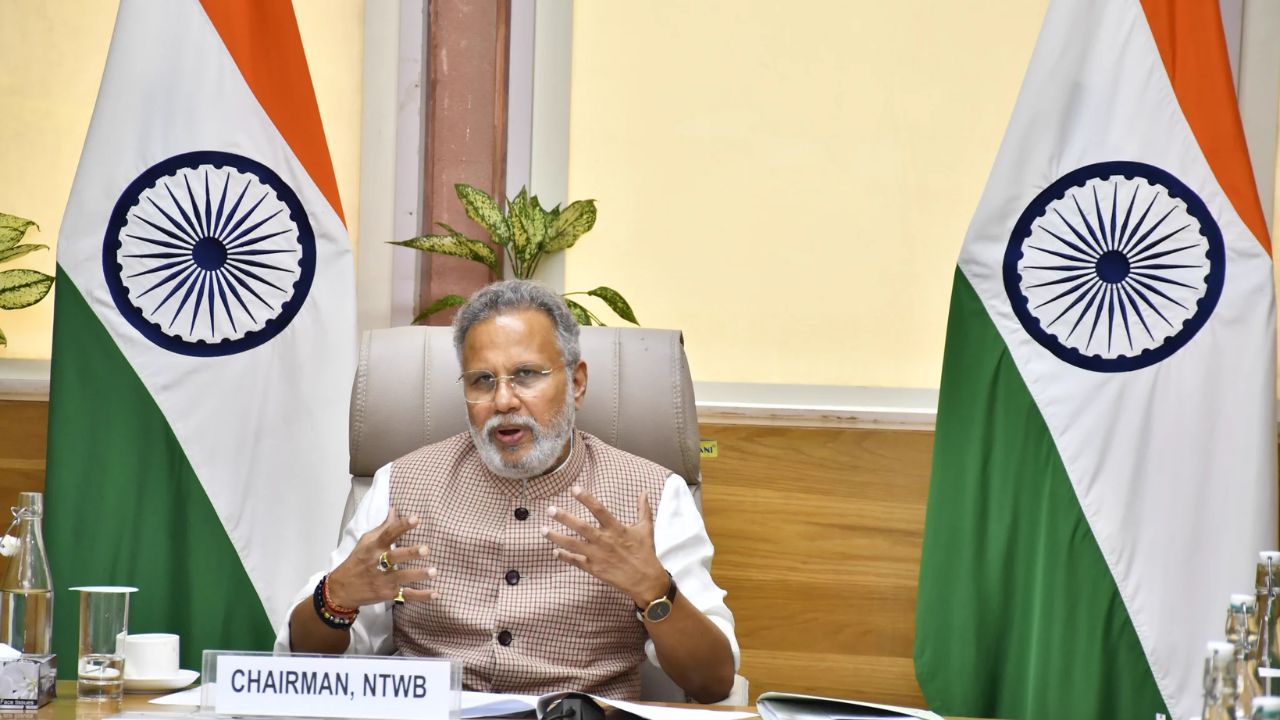
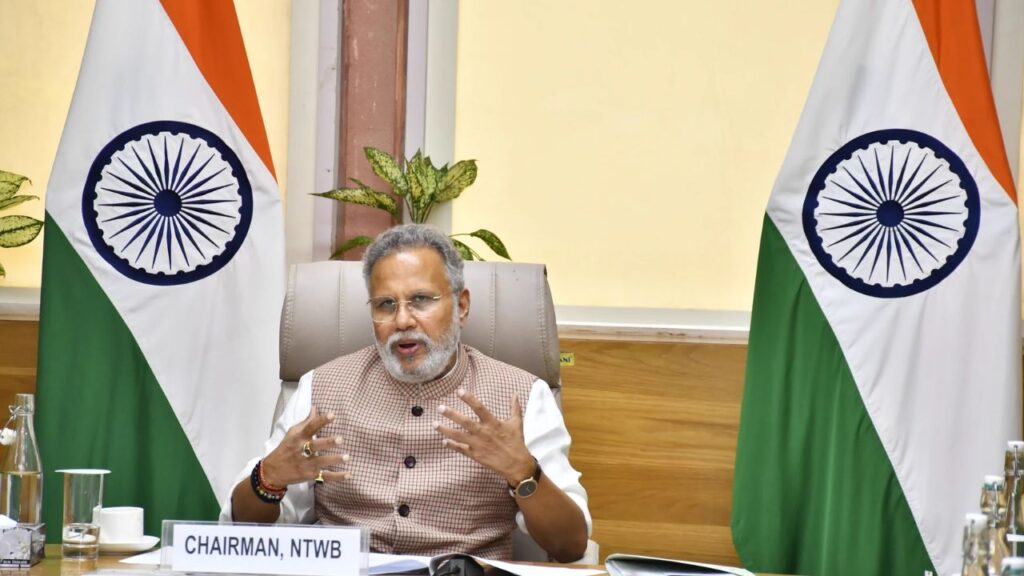
The meeting was chaired by NTWB Chairman Shri Sunil J. Singhi, who briefed members on initiatives undertaken to advance the Board’s objectives. The deliberations brought together non-official members representing trade associations and States and Union Territories, along with ex officio members from various Ministries and Departments of the Government of India.
Focus on GST, MSMEs and Access to Finance
GST-related issues featured prominently during the meeting. Members discussed the need for rationalisation of GST procedures, addressing delays in refunds, reducing prolonged audit processes, resolving Input Tax Credit anomalies and clearing pending appeals. The possibility of introducing amnesty measures was also examined as part of efforts to reduce compliance-related difficulties faced by traders.
On MSMEs and finance, members proposed greater representation of traders in MSME facilitation committees. The meeting also considered the creation of a centralised loan portal with a proposed 30-day timeline for processing applications. Other financial issues discussed included reforms in the CIBIL scoring mechanism, trader grievance helplines and measures to make credit more accessible.
Digital Platforms to Support Traders
Digital transformation was another key area of discussion. The Board examined the expansion of the Open Network for Digital Commerce (ONDC) and DigiDukaan to district-level markets. Members also discussed Women Entrepreneurship Facilitation Desks under NITI Aayog, establishment of POSH cells and improvements in mechanisms for addressing cyber fraud.
DigiDukaan, an ONDC initiative focused on B2B procurement and digitisation of kirana stores, is helping retailers manage procurement through a single ordering interface. More than 19,000 retailers are currently live on the platform across Hyderabad and Jaipur, according to the information shared with the Board.
Strengthening Trader Welfare and Centre–State Coordination
The Board considered several measures concerning trader welfare, including ensuring timely payments to government contractors, protecting businesses from technical penalties and providing greater flexibility in loan repayments during lean business periods.
Shri Singhi highlighted the Government’s efforts to support traders through initiatives such as the Jan Vishwas Act and Ease of Doing Business reforms. He noted that the Jan Vishwas Act rationalises around 40,000 compliances. The establishment of State Traders’ Welfare Boards in Madhya Pradesh, Punjab, Uttar Pradesh and Tamil Nadu was also highlighted, while written confirmations from Goa and Telangana were noted.
The Chairman also referred to the progress made through District Facilitation Centres and the successful completion of 100 consecutive virtual conferences aimed at strengthening Centre–State engagement.
Boosting Export Participation
Export promotion was identified as an important area for expanding opportunities for traders and MSMEs. Members discussed increasing awareness about export opportunities, strengthening institutional support and encouraging greater participation of smaller businesses in international trade.
The Board also deliberated on the India–UK CETA negotiations and their potential relevance to export promotion. The need for thematic committees and focused working groups was discussed to examine sector-specific concerns and develop structured recommendations for policy interventions.
At the beginning of the meeting, DPIIT Director Shri Yuvraj Ravindra Patil welcomed Board members and ex officio representatives. He outlined the mandate of the NTWB and stressed the importance of wider dissemination of DPIIT’s interactive video conference sessions.
Members were also briefed on forthcoming reforms, including the proposed Consumer Protection (Amendment) Bill 2026, which is proposed to take effect from January 1, 2027.
The meeting concluded with the Board reaffirming its commitment to creating an enabling environment for traders through policy advocacy, digital adoption, Ease of Doing Business reforms, social security measures and enhanced Centre–State cooperation. The Board stated its resolve to contribute to the empowerment of traders and their employees and support the broader vision of Viksit Bharat 2047.
Also Read: India Advances Bio-Based Manufacturing with Commercial PLA Initiative Under BioE3 Framework

Author: Shivam
Proficient Writer Contact: [email protected]