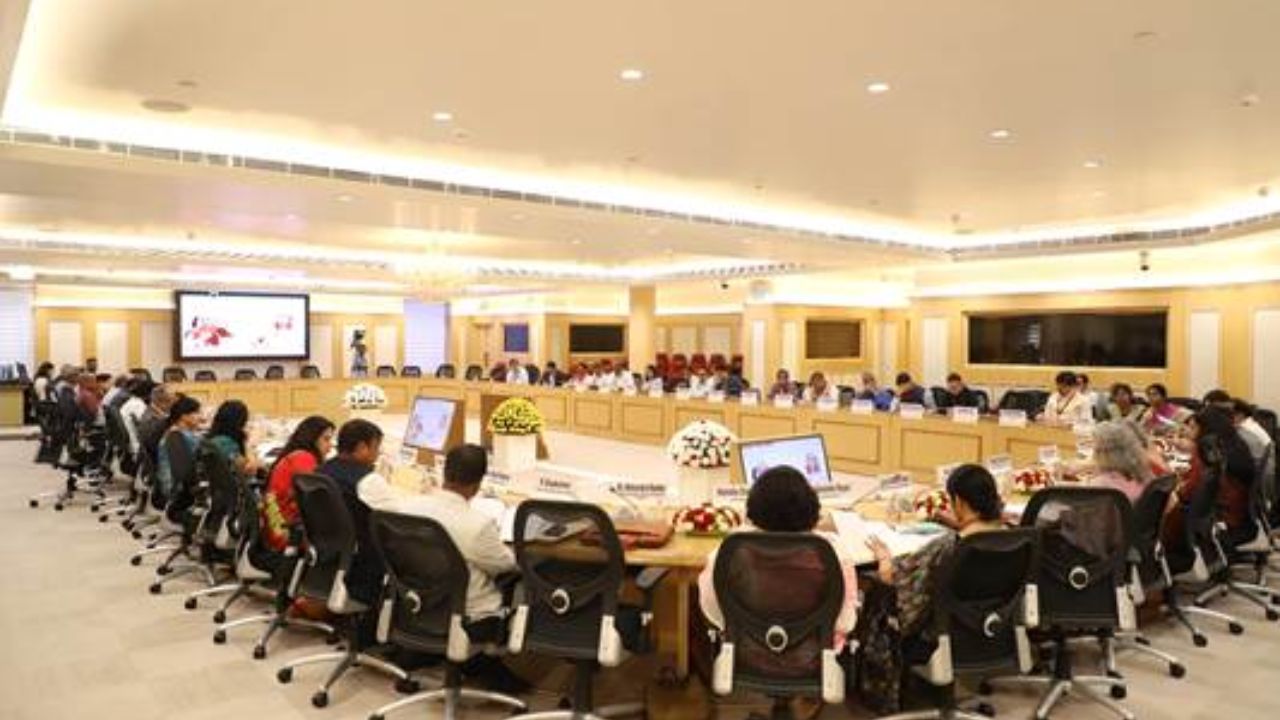
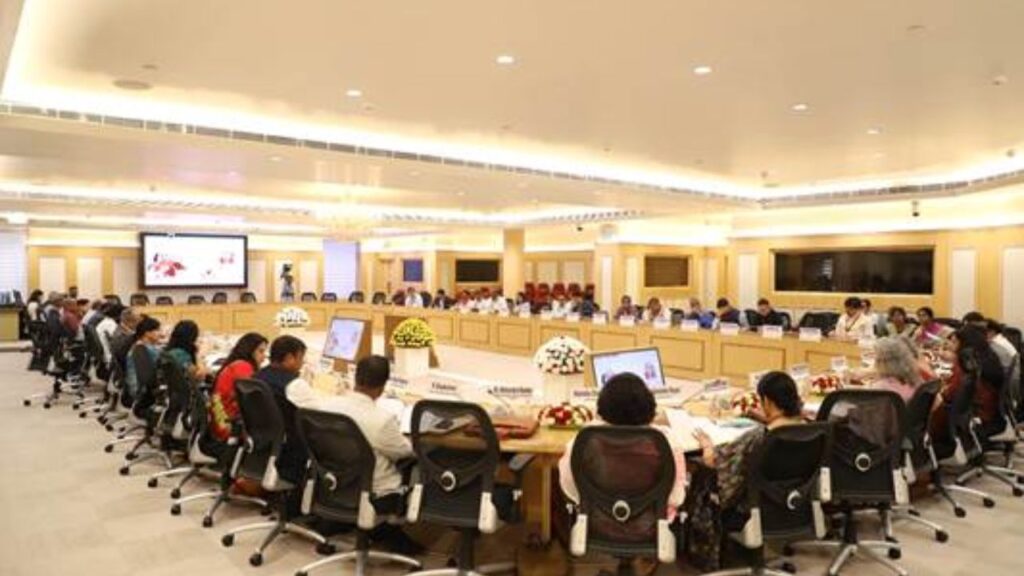

The first meeting of the Development Council for Textile Industry (DCTI) was held on October 6, 2026, at Vigyan Bhawan in New Delhi, bringing together government representatives, industry stakeholders, researchers and sector experts to discuss strategies for strengthening India’s textile and apparel industry.
The meeting was chaired by Smt. Neelam Shami Rao, Secretary, Ministry of Textiles. The DCTI has been established as an apex consultative platform to facilitate structured dialogue between the government and the textile industry and to provide recommendations for the sector’s orderly growth and long-term development.
Senior officials from the Ministry of Textiles participated in the meeting along with representatives from industry associations, Export Promotion Councils, research organisations, state governments and various textile-sector experts. The diverse participation was aimed at creating a comprehensive framework for addressing challenges across the textile value chain.
During the meeting, the Chair highlighted the significant role of the textiles and apparel sector in employment generation and exports. She stressed the need for greater coordination across the entire value chain, covering production, innovation, investment and access to international markets.
A major focus of the deliberations was on improving production and productivity. Participants discussed the need to expand capacity, modernise existing facilities and achieve greater economies of scale across fibre, yarn, fabric, processing and apparel segments. Addressing gaps between different stages of the value chain was identified as an important step towards improving competitiveness.
Research and development also emerged as a key priority. The Council discussed ways to strengthen collaboration between industry and research institutions, particularly in emerging areas such as new-age fibres and technical textiles. Greater emphasis was placed on converting research outcomes into commercially viable products and technologies through stronger links with research associations and specialised institutions.
The meeting also examined challenges related to exports and market access. Members discussed opportunities to diversify India’s textile product portfolio and expand into new international markets. Better utilisation of trade agreements, along with efforts to address quality standards, regulatory compliance and logistics-related difficulties, were identified as important for supporting exporters.
Another important area of discussion was the availability and cost competitiveness of raw materials and other inputs. The Council considered issues concerning cotton, man-made fibres, yarn, dyes and chemicals. Strengthening market intelligence and ensuring reliable access to key inputs were highlighted as necessary for maintaining competitiveness across the sector.
Investment, skill development and sustainability formed another major component of the discussions. The Council considered measures to improve the ease of doing business, strengthen support for micro, small and medium enterprises, enhance workforce capabilities and encourage sustainable and circular production practices.
Members provided sector-specific suggestions on the various themes and welcomed the Council as a regular institutional mechanism for interaction between the government and industry.
The DCTI agreed to establish working groups and sub-committees on priority areas. These groups will examine specific challenges and help monitor progress on recommendations. The Council is also expected to meet periodically to assess developments and review the implementation of agreed measures.
The recommendations emerging from the Council are expected to contribute to future policy and programme interventions of the Ministry of Textiles. Key objectives include increasing domestic production, improving productivity, developing an integrated and scale-oriented value chain and accelerating the adoption of research and innovation in industry.
The Council will also focus on supporting sustained growth in textile and apparel exports through product and market diversification. Greater investment, employment generation and the development of a stronger and more sustainable textile ecosystem are among the broader objectives.
The first DCTI meeting thus marked an important step towards institutionalising government-industry consultation in the textile sector. The Ministry reiterated its commitment to a collaborative, industry-oriented approach aimed at addressing emerging challenges and supporting the sustained development of India’s textile industry.
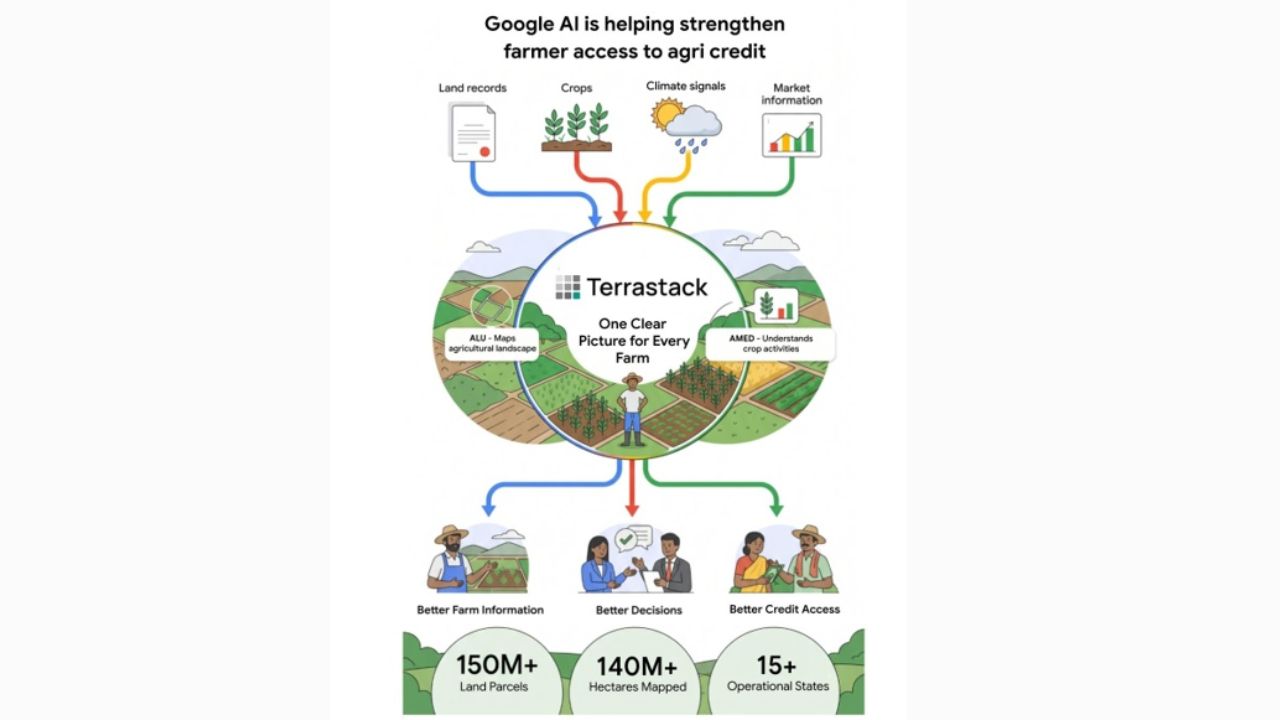
Also Read: Scaling Agri Resilience: How India-first Google AI models are driving local impact and going global

Author: Shivam
Proficient Writer Contact: [email protected]