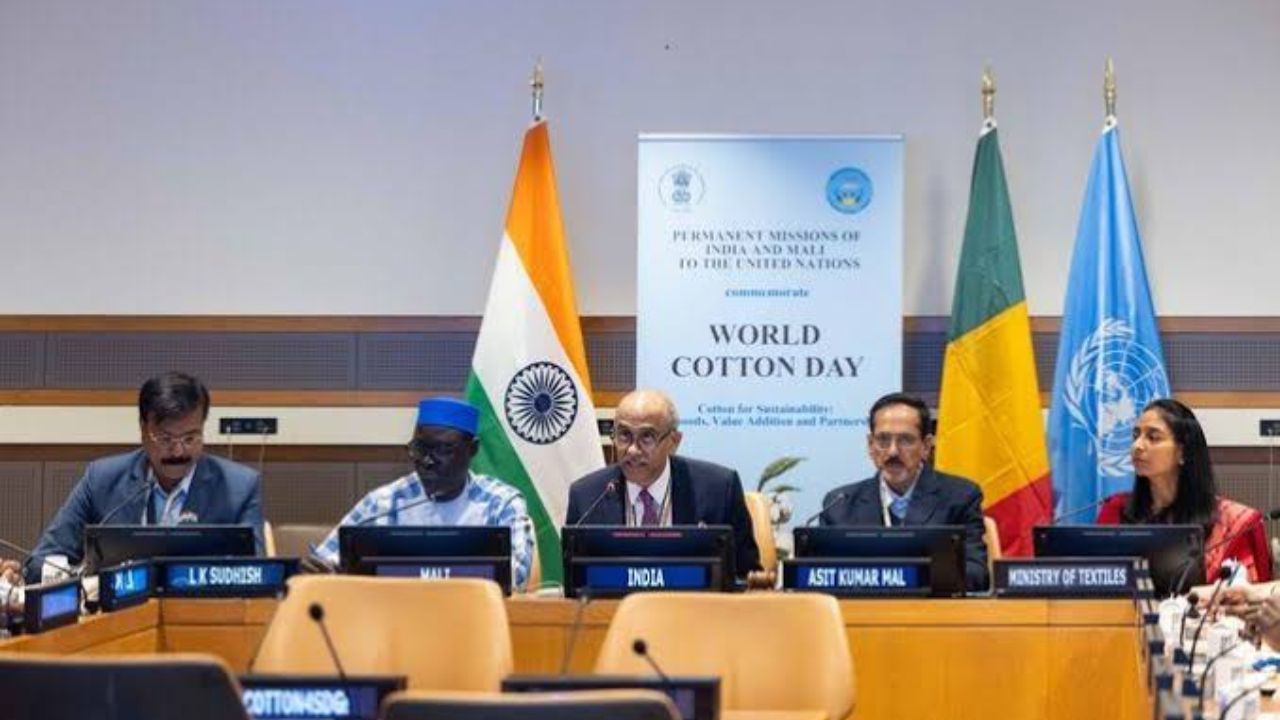
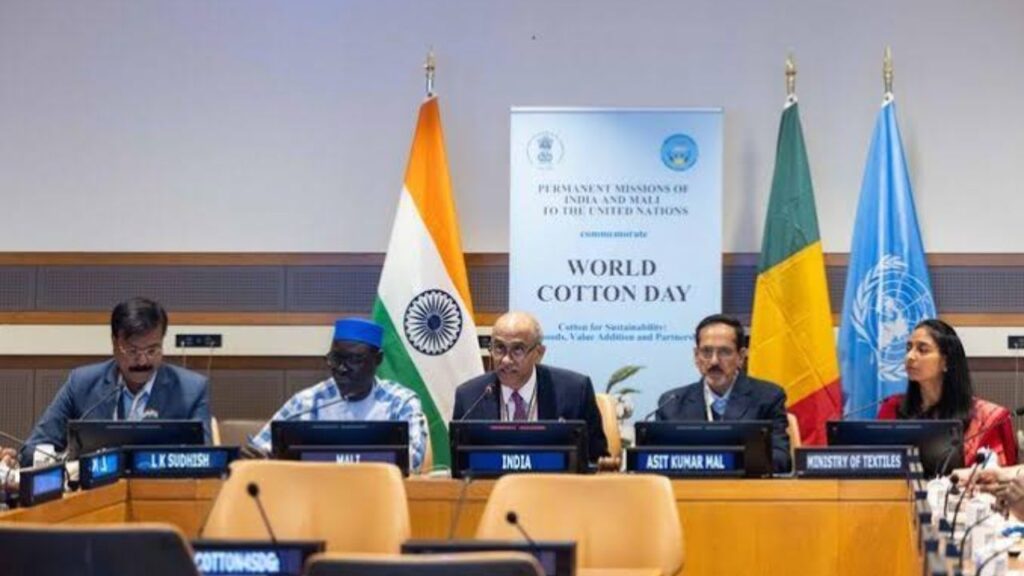

India and Mali have joined hands to promote sustainable cotton production, strengthen livelihoods and expand value addition through international cooperation. The Permanent Missions of India and Mali to the United Nations jointly organised an event titled “Cotton for Sustainability: Livelihoods, Value Addition and Partnership” at the UN Headquarters in New York on October 7, 2026, to mark World Cotton Day.
The event brought together Indian Members of Parliament, representatives of UN member states, international organisations and experts from the global cotton industry. Discussions focused on the role of cotton in economic development, international trade, poverty reduction and the achievement of the Sustainable Development Goals (SDGs), particularly in developing and least developed countries.
The United Nations General Assembly designated October 7 as World Cotton Day through Resolution 75/318, recognising cotton’s contribution to employment, trade and rural development.
India Highlights Four Priorities for Sustainable Cotton
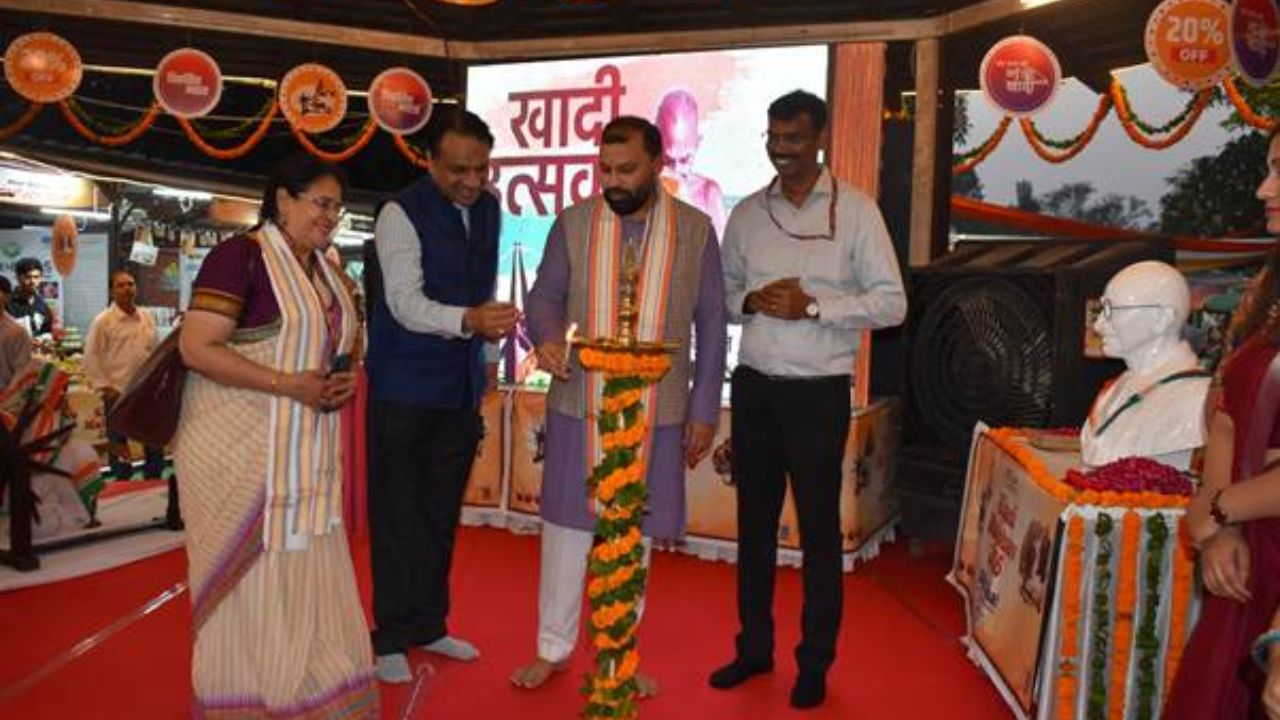
Addressing the gathering, India’s Permanent Representative to the United Nations, Ambassador Harish Parvathaneni, highlighted the historical and economic significance of cotton in India. He recalled Mahatma Gandhi’s association with cotton and the spinning wheel, which became symbols of self-reliance, dignity and the country’s freedom struggle.
The ambassador outlined four key priorities for advancing the cotton sector: improving producers’ livelihoods, expanding value addition and market access, promoting sustainable practices, and strengthening technology and international partnerships.
He stressed the need to ensure affordable agricultural inputs, accessible finance and greater support for small enterprises. He also called for stronger South-South and triangular cooperation to help cotton-producing countries increase domestic processing, retain more economic value and contribute to sustainable development.
Mali Seeks Greater Processing Capacity and Market Access
Ambassador Issa Konfourou, Permanent Representative of Mali to the United Nations, underlined the importance of cotton to his country’s economy and rural communities. He highlighted challenges facing cotton producers, including high input costs, inadequate processing facilities, barriers to market access and trade-distorting support.
He noted Mali’s efforts to expand domestic cotton processing and generate employment. The ambassador welcomed partnerships based on mutual benefit and recognised India’s role as an important partner in advancing cooperation in the sector.
The discussions underscored the need for cotton-producing nations to move beyond raw material exports and develop stronger domestic textile and manufacturing industries.
Indian MPs Showcase Traditional Crafts and Textile Industries
Indian Members of Parliament shared examples of how traditional skills and modern textile manufacturing can create employment and improve the value of cotton products.
Asit Kumar Mal highlighted Kantha embroidery from Bolpur, West Bengal, demonstrating how traditional craftsmanship can support women’s livelihoods while encouraging reuse and efficient resource utilisation. He emphasised fair wages, affordable credit, design assistance and better market access for artisans.
L. K. Sudhish discussed Tamil Nadu’s cotton knitwear and garment industry, highlighting the contributions of small enterprises, skilled workers and shared infrastructure. He also referred to an integrated textile park being developed under the PM MITRA initiative and the adoption of wastewater recovery and reuse practices in textile processing.
Government Initiatives to Strengthen Cotton Value Chains
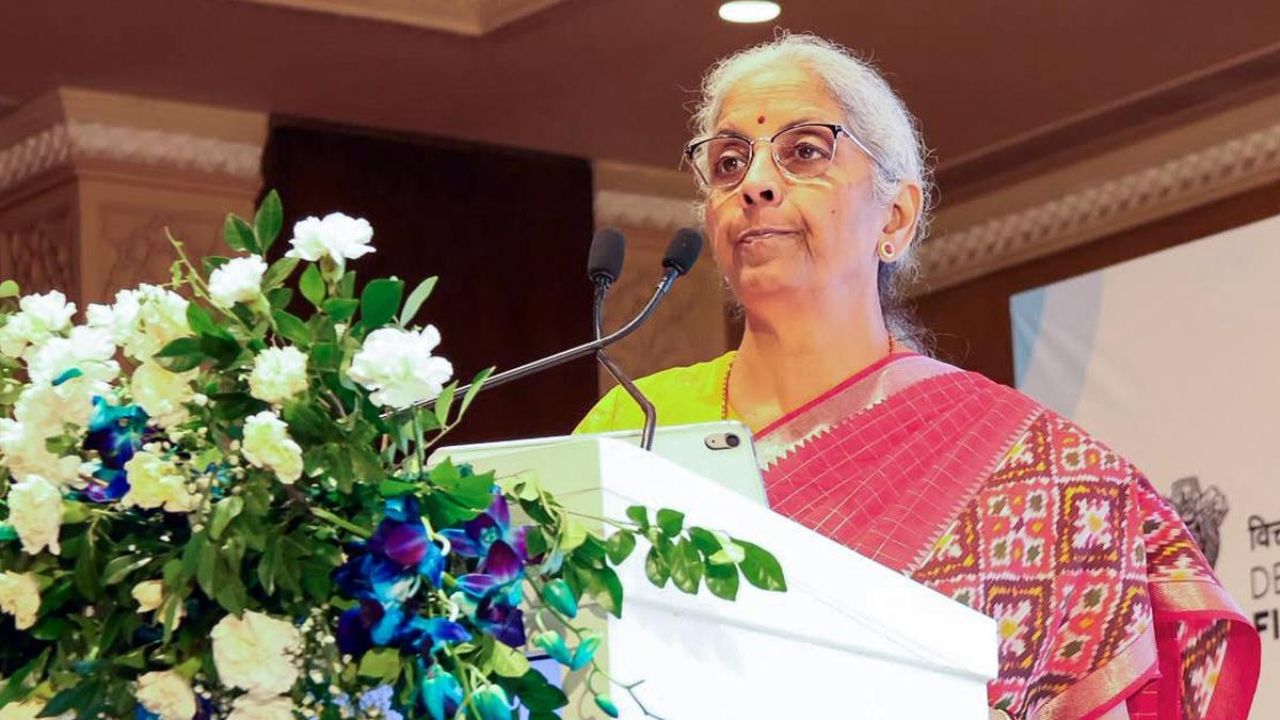
Ms. Padmini Singla, Joint Secretary in the Ministry of Textiles, highlighted India’s position as a major cotton producer and consumer and the sector’s importance to small and marginal farmers.
She outlined the Mission for Cotton Productivity and the Kasturi Cotton Bharat initiative, which aim to improve productivity, quality and traceability. She also highlighted investments in textile infrastructure and support for artisans and small businesses.
She emphasised that open, predictable trade arrangements and improved access to international markets are essential for building sustainable and competitive cotton value chains.
Global Cooperation and Indian Craftsmanship Take Centre Stage
Representatives from Côte d’Ivoire, Uzbekistan, Chad, the Netherlands, Burkina Faso, Egypt, Cameroon and Peru participated in the event, alongside Ms. Angélica Jácome of the Food and Agriculture Organization’s UN liaison office and Dr. Keshav R. Kranthi, Chief Scientist at the International Cotton Advisory Committee.
Participants explored ways to strengthen cotton value chains, improve processing capabilities, support smallholders and artisans, adopt advanced technologies and deepen international partnerships.
The programme also featured a hands-on demonstration of Pen Kalamkari on cotton, led by an Indian master artisan. The activity showcased India’s traditional textile heritage and highlighted the potential of indigenous crafts to create livelihood opportunities.
The event reinforced the importance of collaboration among cotton-producing countries to promote sustainable production, enhance value addition, expand market opportunities and ensure that the economic benefits of cotton reach farmers, artisans and small enterprises.