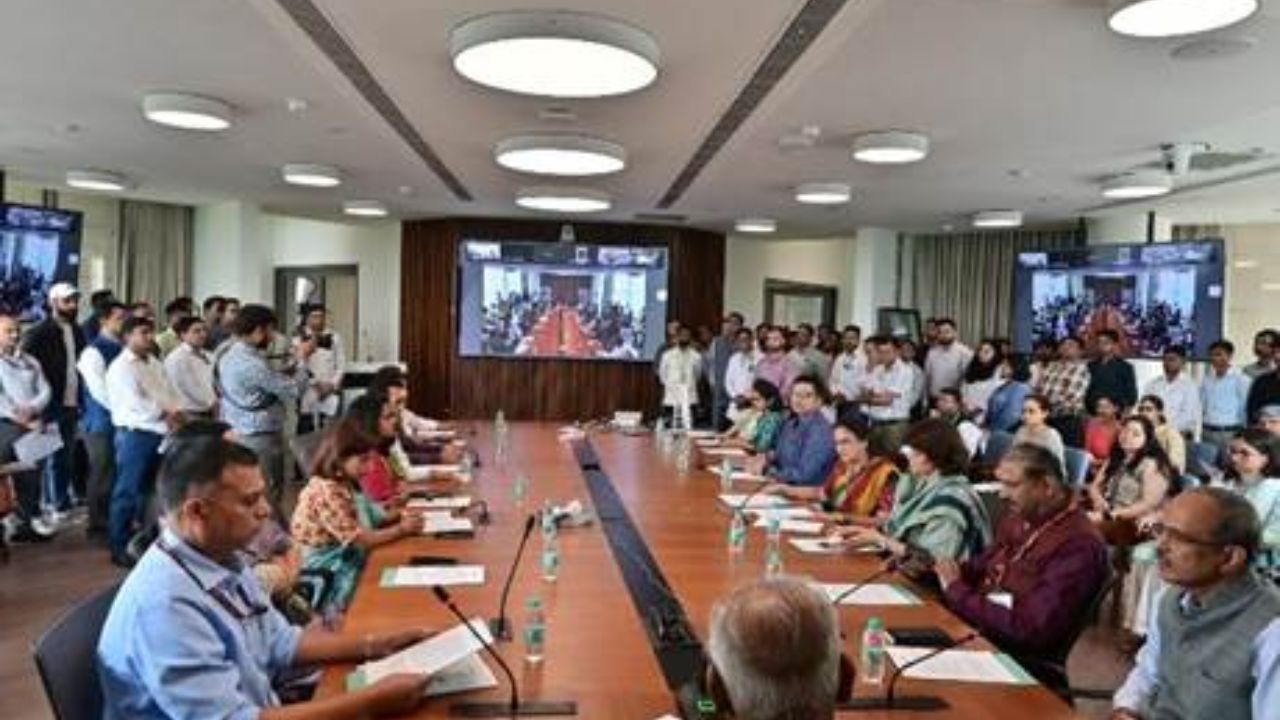
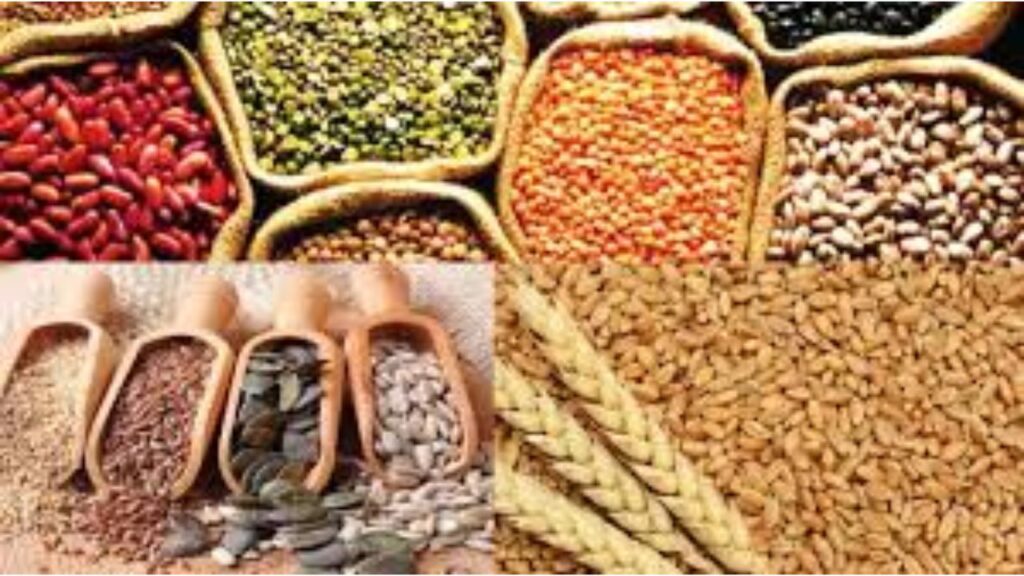

The Central Government has approved large-scale procurement of pulses and oilseeds under the Minimum Support Price (MSP) mechanism for four states, providing a major boost to farmers engaged in pulse and oilseed cultivation. The decision was cleared by Union Minister for Agriculture & Farmers Welfare and Rural Development Shivraj Singh Chouhan during a video conference held on Thursday.
The procurement will be carried out under the Price Support Scheme (PSS), a key component of the Government’s MSP operations aimed at ensuring farmers receive fair prices for their produce. The move is expected to protect growers from market fluctuations and distress sales while strengthening agricultural income security.
Among the beneficiary states, Uttar Pradesh has received the largest allocation. For the Summer 2026 season, the Centre has approved procurement of 48,298 metric tonnes (MT) of moong, 97,970 MT of urad, and 41,718 MT of groundnut. The total MSP value of the approved procurement for the state exceeds ₹1,490 crore.
Officials said the decision will provide significant relief to thousands of pulse and oilseed farmers in Uttar Pradesh, where cultivation of these crops has expanded in recent years. By ensuring procurement at MSP, the government aims to encourage farmers to continue diversifying their cropping patterns and invest in higher productivity.
Gujarat has also been granted approval for procurement of 18,250 MT of moong during the Summer 2026 season. The procurement, valued at more than ₹160 crore at MSP rates, is expected to benefit farmers by guaranteeing remunerative returns and reducing dependence on volatile market prices.
In Tamil Nadu, the Centre has enhanced the procurement limit for moong under the Rabi Marketing Season (RMS) 2025-26. The approved quantity has been increased from 885 MT to 990 MT, allowing an additional 105 MT of the crop to be procured. The total MSP value of the procurement approved for the state stands at ₹8.68 crore. The increase reflects the government’s willingness to respond to state requirements and ensure that farmers receive adequate support.
Meanwhile, Haryana has received approval for procurement of 2,115 MT of moong for the Summer 2026 season. The MSP value of the procurement is estimated at more than ₹18 crore. Agricultural experts believe the decision will help stabilize farm incomes and provide a safety net to growers amid changing market conditions.
The Price Support Scheme plays a crucial role in the government’s efforts to strengthen the agricultural sector. Under the scheme, central agencies procure notified crops from farmers at MSP whenever market prices fall below the support price. This mechanism helps maintain price stability and protects farmers from financial losses.
The latest approvals come at a time when the government is focusing on enhancing domestic production of pulses and oilseeds to reduce import dependence and improve food security. Encouraging cultivation through assured procurement is seen as a key strategy in achieving self-reliance in these commodities.
Farmer organizations and agricultural stakeholders have welcomed the decision, noting that timely procurement at MSP can improve liquidity in rural areas and boost farmer confidence. The move is also expected to contribute to the broader objective of increasing agricultural profitability and promoting sustainable crop diversification.
With procurement operations set to begin as per approved schedules, farmers across the four states are expected to benefit from assured price support and improved market access. The Centre’s decision reinforces its commitment to safeguarding farmer interests and ensuring that agricultural producers receive fair compensation for their hard work and investment.
Also Read: PM Modi to Launch Major Development Projects Worth Thousands of Crores in West Bengal on June 20

Author: Shivam
Proficient Writer Contact: [email protected]