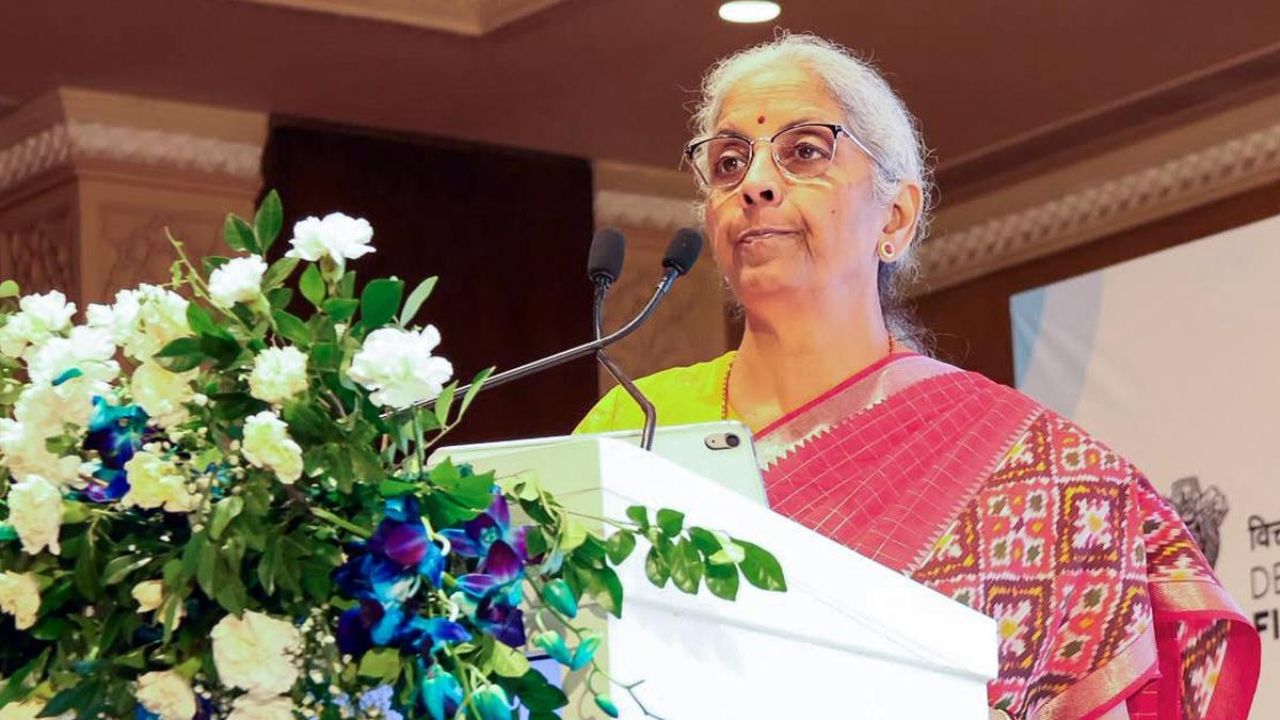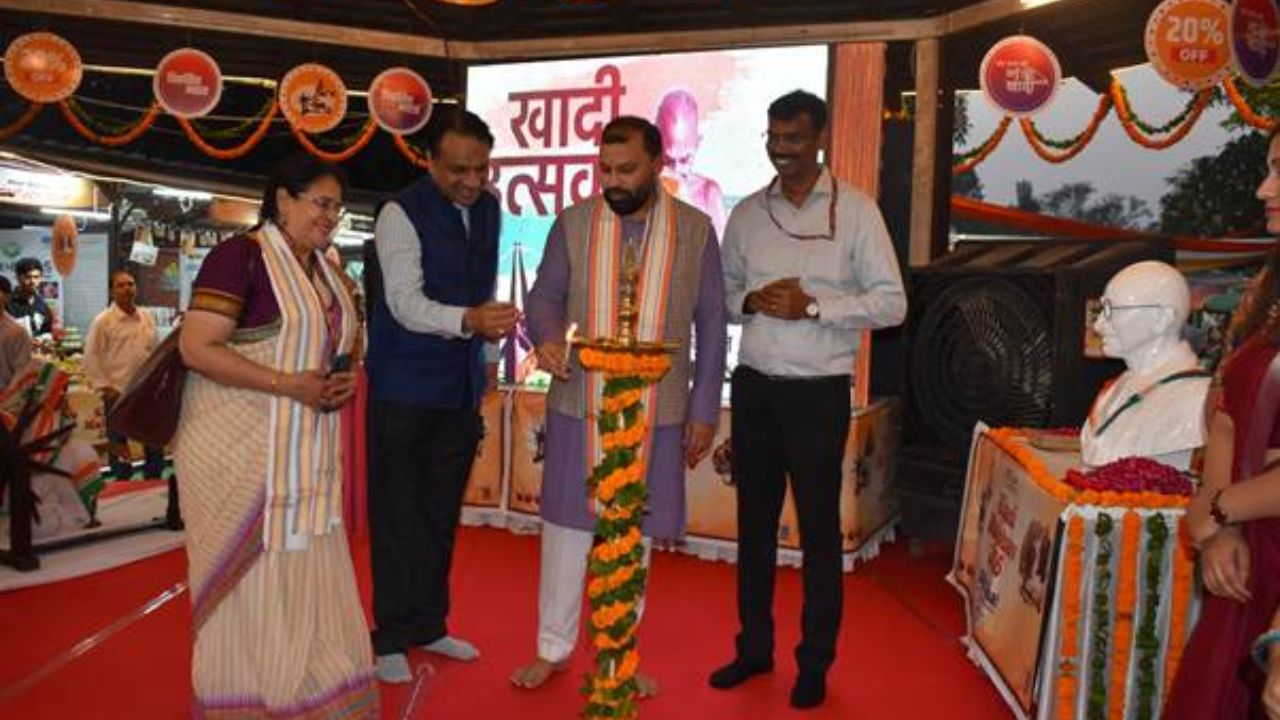
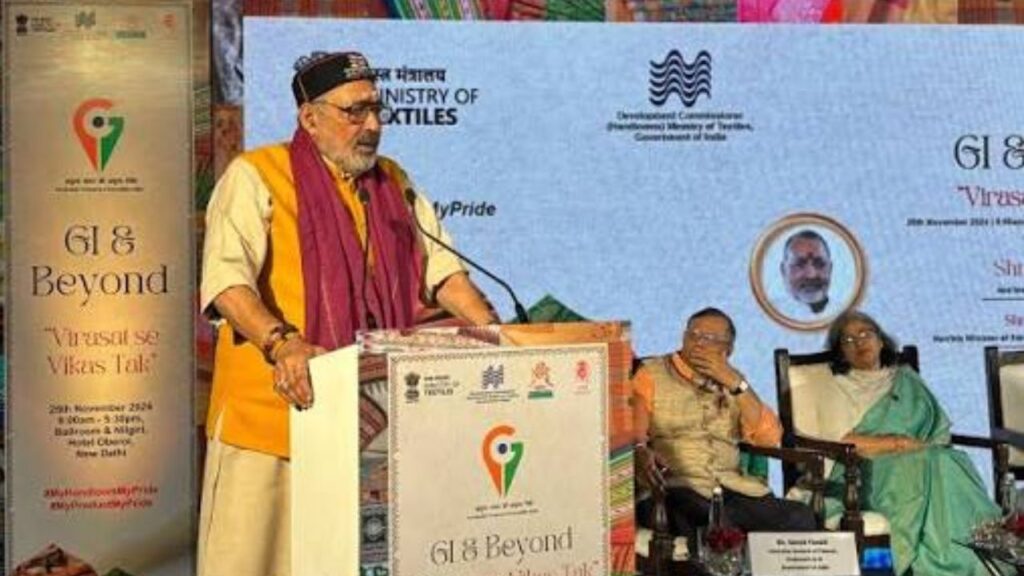

India’s efforts to strengthen the global identity of its traditional handloom and handicraft products received a significant boost with the successful conclusion of the GI & Beyond 2.0 Summit in New Delhi. Organised by the Office of the Development Commissioner (Handlooms), Ministry of Textiles, in association with the Handloom Export Promotion Council (HEPC), the summit brought together policymakers, exporters, overseas buyers, intellectual property experts, industry representatives, weavers, and academicians to discuss strategies for enhancing the market reach and recognition of Geographical Indication (GI)-tagged products.
Held at the Dr. Ambedkar International Centre, the event served as a platform to showcase India’s rich heritage of GI-certified handloom and handicraft products while promoting collaboration among key stakeholders in the sector.
GI Products Reflect India’s Cultural Identity
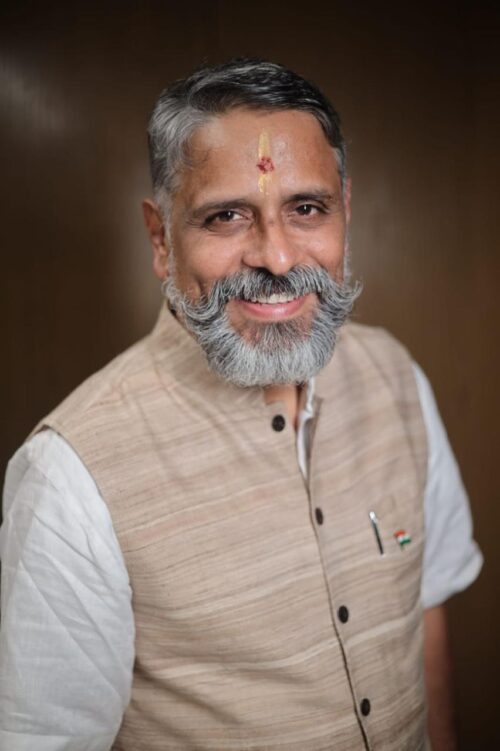
Inaugurating the summit, Minister of State for External Affairs and Textiles Shri Pabitra Margherita described Geographical Indications as more than legal certifications, calling them symbols of India’s cultural identity, craftsmanship, and centuries-old traditions. He stressed that technology and innovation should be used to expand domestic and international markets for GI-tagged products without compromising their authenticity.
The Minister also noted that India’s traditional crafts contribute significantly to the country’s cultural diplomacy while creating sustainable livelihood opportunities for artisans and weavers across rural regions.
New GI Registrations Recognised
One of the major attractions of the summit was the presentation of new GI certificates to several traditional products from different states. Newly recognised products included Ladakh Nambu Textile, Ladakh Pashmina Textile, Himachal Gudma, Himachal Lingchay, Jharkhand Bamboo Craft, Jharkhand Tussar Silk Saree & Fabrics, Munda Jewellery of Jharkhand, and Bareilly Terracotta.
The certificates were presented to the respective GI proprietors, acknowledging their contribution to preserving and promoting India’s distinctive traditional crafts.
Digital Handloom Atlas Launched
A landmark announcement during the summit was the launch of the Digital Handloom Atlas, introduced under the theme “One Platform. Endless Markets.”
The digital platform has been designed to provide comprehensive information on India’s handloom products, particularly GI-tagged textiles, while creating stronger connections between artisans, buyers, exporters, and consumers. The initiative is expected to improve product visibility and help traditional weavers access wider domestic as well as international markets.
During the inaugural session, certificates were also distributed to newly authorised GI users, encouraging broader participation in the GI ecosystem.
Government Focus on Strengthening the Sector
Secretary (Textiles) Smt. Neelam Shami Rao highlighted the government’s ongoing initiatives to support the handloom sector through policy measures, digital transformation, market development, and institutional partnerships. She said the Digital Handloom Atlas would play an important role in improving market accessibility and increasing awareness of India’s unique weaving traditions.
Development Commissioner (Handlooms) Dr. M. Beena emphasised the contribution of India’s weaving communities and outlined the Ministry’s efforts in cluster development, design innovation, raw material support, and market expansion. According to her, GI recognition creates long-term value for traditional weaving practices while opening new economic opportunities for artisans.
Exhibition Showcases India’s Rich Craft Diversity
The summit featured an extensive exhibition displaying more than 100 GI-registered handloom and handicraft products from different parts of the country. Visitors experienced the diversity of India’s textile traditions through thematic displays and live demonstrations by artisans and weavers.
The exhibition highlighted the craftsmanship, regional diversity, and cultural significance associated with GI-certified products, providing buyers and industry stakeholders with direct interaction opportunities with producers.
Artificial Intelligence and GI Promotion
A notable feature of the summit was a presentation by experts from IIT Madras, who demonstrated how Artificial Intelligence (AI) can strengthen the GI ecosystem. The experts discussed AI-based applications for product authentication, traceability, digital marketing, and consumer engagement, indicating how technology can complement traditional craftsmanship.
The summit also hosted three technical sessions covering important themes such as GI registration and intellectual property rights, strategies for expanding domestic markets, and opportunities to position India’s GI handloom products more effectively in international markets. Experts from government institutions, academia, retail brands, intellectual property organisations, and international agencies participated in these discussions.
Celebrating Six Decades of Export Promotion
Another significant milestone marked during the event was the unveiling of the Diamond Jubilee logo of the Handloom Export Promotion Council (HEPC), commemorating sixty years of its contribution to promoting Indian handloom exports globally.
Strengthening India’s Global GI Ecosystem
The GI & Beyond 2.0 Summit concluded with a renewed commitment from the Ministry of Textiles to protect, promote, and commercialise India’s GI-tagged handloom and handicraft products. By encouraging stronger collaboration among government agencies, exporters, industry leaders, researchers, and artisan communities, the summit reinforced India’s vision of transforming traditional crafts into globally recognised cultural and economic assets.
With digital initiatives, institutional support, and increasing international engagement, the event signalled a stronger future for India’s GI ecosystem, helping preserve traditional knowledge while expanding new market opportunities for millions of artisans and weavers across the country.