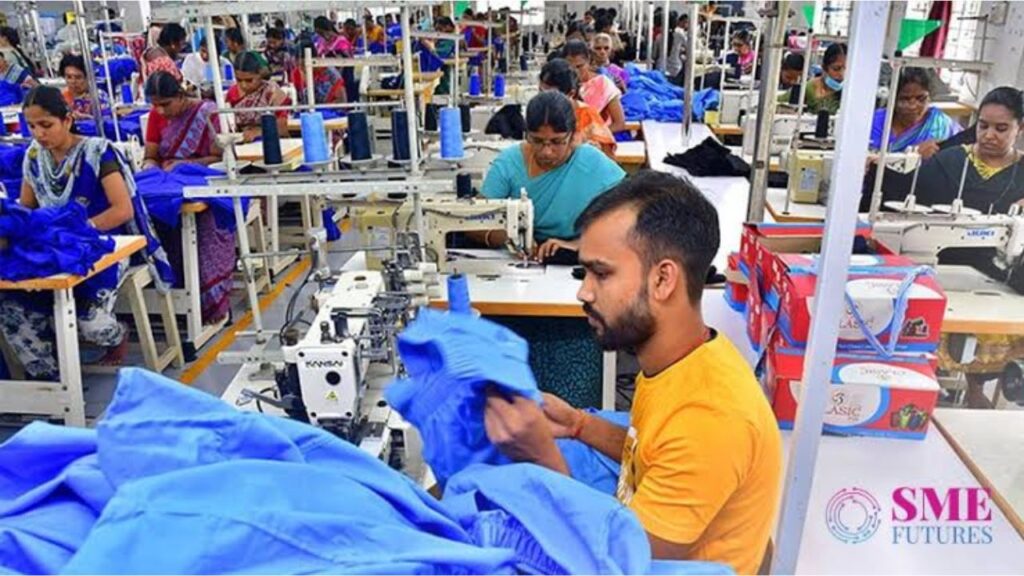

India’s technical textiles sector is gaining momentum with strong policy support and rising global competitiveness, as the country recorded a net trade surplus of ₹3,420.20 crore in technical textiles during the financial year 2025-26. The achievement reflects the growing strength of domestic manufacturing and exports, supported by initiatives such as the National Technical Textiles Mission (NTTM) and the Production Linked Incentive (PLI) Scheme for Textiles.
The details were shared by Minister of State for Textiles Shri Pabitra Margherita in a written reply in the Lok Sabha.
India Registers Strong Export Performance
According to data from the Directorate General of Commercial Intelligence and Statistics (DGCIS), Ministry of Commerce, India exported technical textiles worth ₹29,217.60 crore during FY 2025-26, while imports stood at ₹25,797.40 crore. This resulted in a positive trade balance of ₹3,420.20 crore, highlighting the country’s increasing capability to meet both domestic and international demand.
The surplus is seen as an encouraging sign for the sector, which has been identified as a key driver of India’s textile industry transformation through innovation, technology, and high-value manufacturing.
National Technical Textiles Mission Driving Growth
Launched in 2020 by the Ministry of Textiles, the National Technical Textiles Mission aims to position India as a global hub for technical textiles by promoting research, innovation, production, and commercialization of advanced textile products.
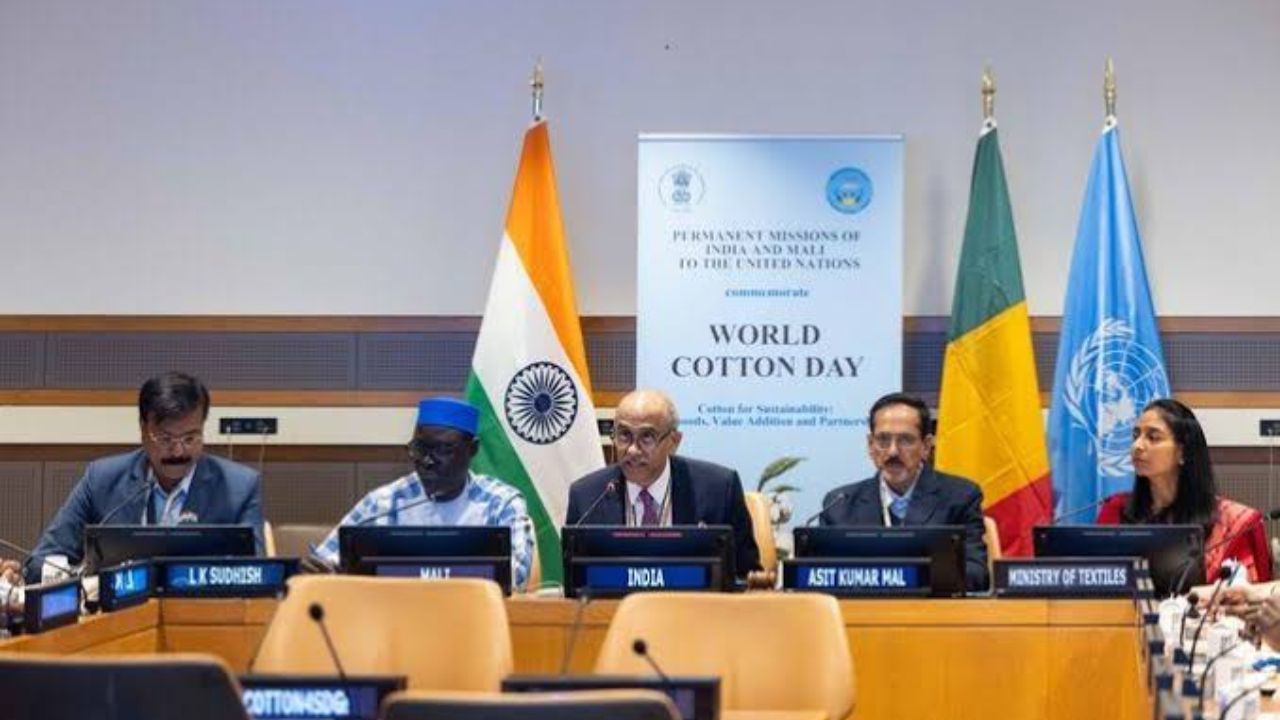
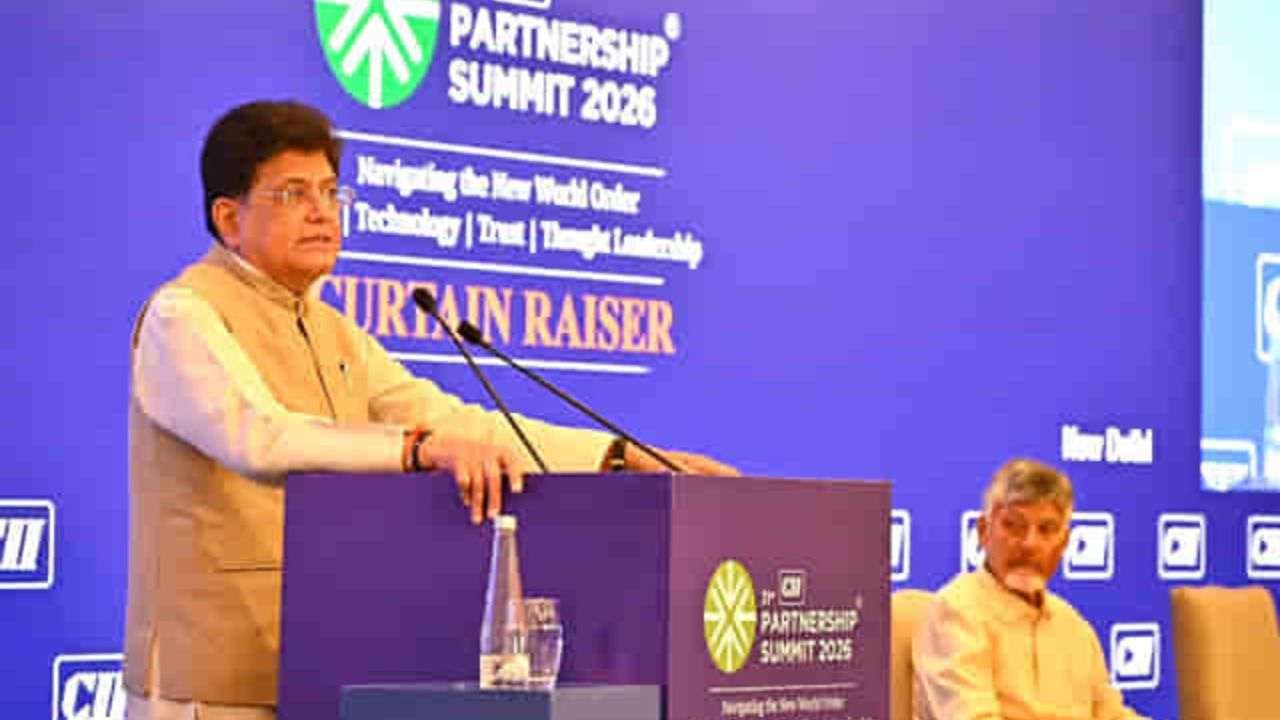
One of the Mission’s major focus areas is Component-II, which emphasizes promotion and market development. Under this component, the Ministry of Textiles has organized or participated in 47 national and international conferences to increase awareness, encourage industry collaboration, and promote business opportunities in the technical textiles ecosystem.
These events have brought together manufacturers, researchers, policymakers, industry experts, and end-users to discuss emerging technologies, market trends, and commercial applications.
Focus on High-Value Technical Textile Segments
The Mission supports indigenous development and commercialization across several high-growth segments of technical textiles.
These include agro-textiles used in agriculture, geo-textiles for infrastructure projects, medical textiles for healthcare applications, industrial textiles for manufacturing, protective textiles designed for safety and defense, and sportech products used in sports and fitness.
By encouraging domestic production of these specialized products, the government aims to reduce import dependence while creating new opportunities for exports and employment.
Creating Awareness and Expanding Domestic Demand
Apart from promoting manufacturing, the National Technical Textiles Mission places significant emphasis on awareness generation and skill development.
The Ministry regularly conducts workshops, conferences, exhibitions, and training programmes to educate industry stakeholders, government departments, and the public about the advantages and applications of technical textiles.
To further strengthen domestic demand, the government has also recommended the mandatory adoption of technical textile products in specified applications by various central ministries, state governments, and user departments wherever feasible.
Such measures are expected to create a stable domestic market for manufacturers while accelerating the adoption of advanced textile solutions across sectors including agriculture, construction, healthcare, transportation, and disaster management.
PLI Scheme Enhancing Global Competitiveness
Complementing the National Technical Textiles Mission is the Production Linked Incentive (PLI) Scheme for Textiles, which identifies technical textiles as one of its priority segments.
The scheme has been introduced to address structural gaps in India’s man-made fibre (MMF) and technical textiles value chain by encouraging investments in high-value products and advanced manufacturing technologies.
The government expects the PLI Scheme to enhance production capacity, improve technology adoption, attract fresh investments, and increase export competitiveness. The initiative is also expected to help Indian manufacturers achieve economies of scale necessary to compete effectively in global markets.
Building India’s Position in Global Technical Textiles
The Ministry believes that the combined impact of the National Technical Textiles Mission and the PLI Scheme will provide sustained momentum to the sector’s expansion.
With policy support focused on innovation, commercialization, market development, and demand creation, India is steadily strengthening its presence in the global technical textiles industry. The positive trade surplus recorded during FY 2025-26 underscores the sector’s growing maturity and its potential to become a significant contributor to the country’s manufacturing and export ambitions.
As investments continue to flow into advanced textile technologies and domestic production capacities expand, the technical textiles industry is expected to play an increasingly important role in supporting infrastructure development, healthcare, agriculture, industrial growth, and India’s broader vision of becoming a global manufacturing powerhouse.