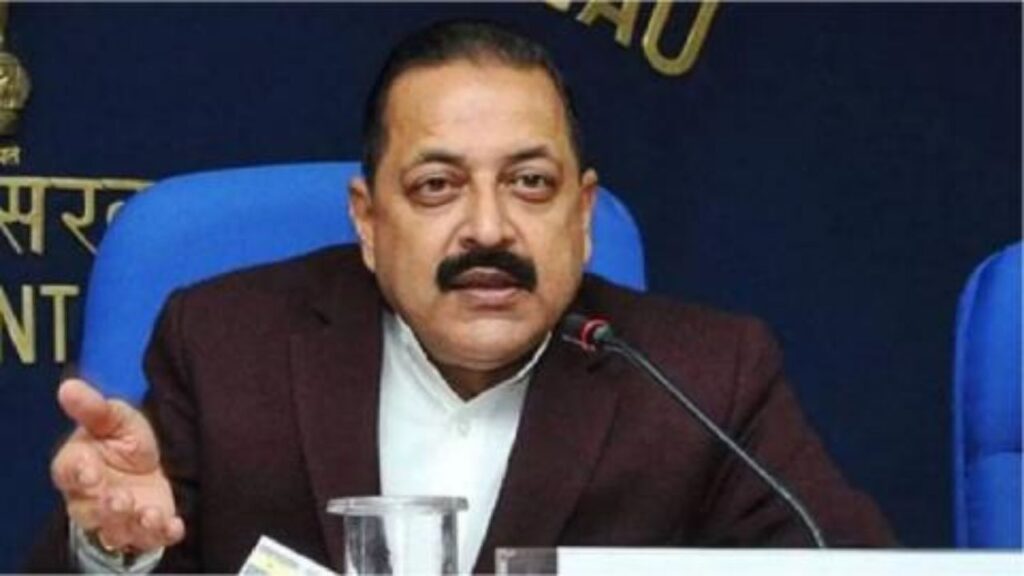

Union Minister of State (Independent Charge) for Science & Technology, Earth Sciences, and Minister of State for PMO, Personnel, Public Grievances and Pensions, Department of Atomic Energy and Department of Space, Dr. Jitendra Singh, on Wednesday described the National Education Policy (NEP) 2020 as one of the most significant reforms in India’s education system. He said the policy has transformed learning by giving students the freedom to choose academic paths that match their interests and abilities rather than being restricted by traditional expectations.
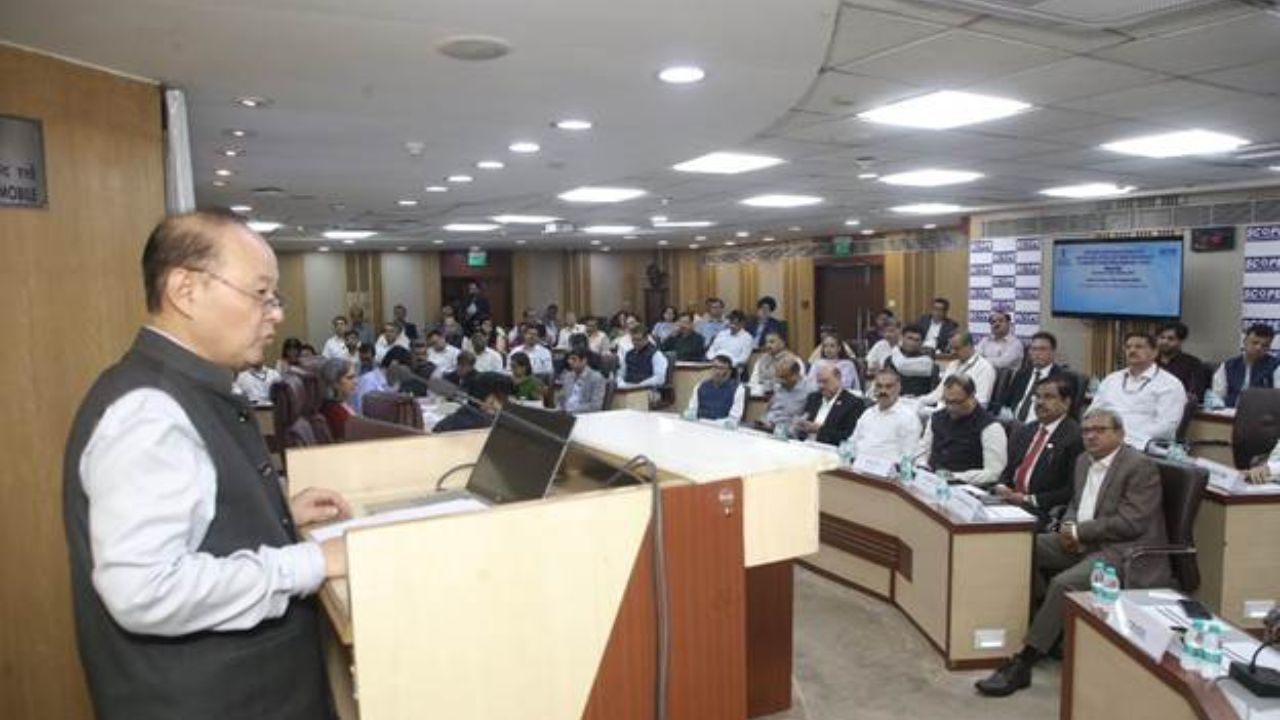
Speaking at The Week Education Conclave 2026, Dr. Singh highlighted the far-reaching impact of the policy introduced under the leadership of Prime Minister Narendra Modi. He called NEP 2020 one of the defining achievements of the government over the past 12 years, emphasizing its role in creating a more flexible and student-centric educational framework.
According to the Minister, one of the major shortcomings of the earlier education system was the limited choice available to students. Many young learners were often compelled to continue in academic streams selected by their parents or influenced by societal pressures, regardless of their personal interests. NEP 2020, he said, has changed this approach by allowing students to make decisions based on their aptitude and aspirations.
Dr. Singh noted that the policy has introduced flexibility that enables learners to shift disciplines and explore a wider range of educational opportunities. Students can now pursue fields that genuinely interest them, whether in science, biotechnology, humanities, literature, or other emerging areas of study. This freedom, he said, is helping young people build careers by choice rather than by circumstance.
The Minister also linked the reforms in education to positive changes in India’s scientific ecosystem. He observed that many students entering research and innovation-related professions today are doing so out of genuine passion for science. This, he said, has resulted in a new generation of researchers who are more committed, motivated, and capable of contributing to scientific advancement.
Highlighting another major development, Dr. Singh spoke about the growing role of technology in democratizing education across the country. He said that digital platforms and technological tools have significantly expanded access to learning resources, making quality education available to a broader section of society. The use of technology has reduced geographical and financial barriers, enabling students from diverse backgrounds to compete on a more equal footing.
The Minister pointed to trends in competitive examinations as evidence of this transformation. He noted that an increasing number of top-performing candidates are emerging from small towns and rural areas. Many of these students achieve success without relying on costly coaching institutes, instead utilizing online educational resources and self-learning methods.
“This reflects the changing educational landscape of India,” Dr. Singh said, adding that determination, discipline, and effective use of available resources are becoming more important than expensive coaching support. He recalled interacting with students from modest backgrounds who achieved remarkable success through perseverance and focused effort.
Dr. Singh described the present era as one of the most promising periods for Indian students. With access to better educational infrastructure, digital resources, and greater academic flexibility, today’s youth have opportunities that were unavailable to previous generations. He stressed that these advantages place young Indians in a strong position to contribute to the country’s long-term growth and development.
Referring to the vision of Viksit Bharat 2047, the Minister expressed confidence that the current generation would play a crucial role in shaping India’s future. He encouraged students to make full use of the opportunities available to them and to strive for excellence in their chosen fields.
Concluding his address, Dr. Jitendra Singh urged students to recognize their responsibility in nation-building and contribute through innovation, knowledge, and public service. He also acknowledged the vital role of teachers and educators in nurturing talent and guiding future generations toward success.
Also Read: TDB Supports Chennai-Based Bioneemtec to Boost Indigenous API and Drug Delivery Manufacturing

Author: Shivam
Shivam Dwivedi is a senior journalist with extensive experience in research-driven journalism, policy communication, and multi-platform storytelling. His areas of interest include international relations, defence, science & technology, education, urban development, agriculture, spirituality, and environmental sustainability. His work focuses on in-depth analysis, public discourse, and impactful narratives across governance and development sectors, with a strong commitment to the Sustainable Development Goals (SDGs). Contact: [email protected]