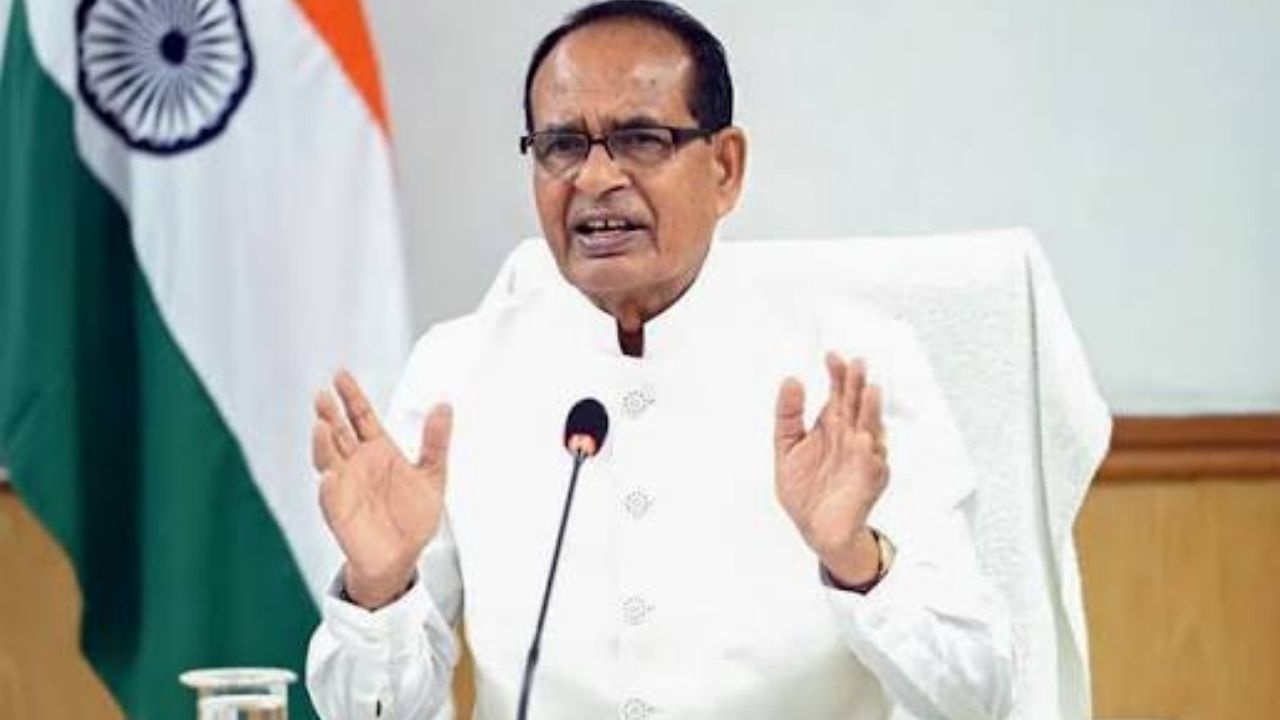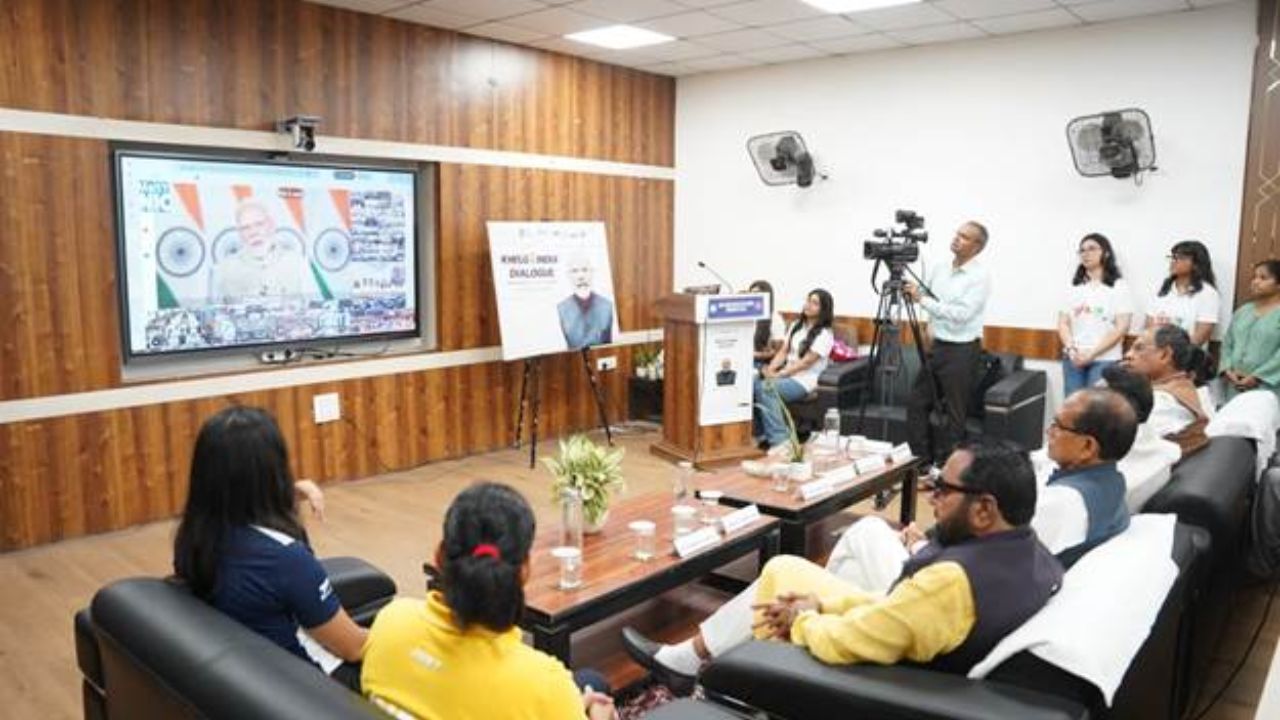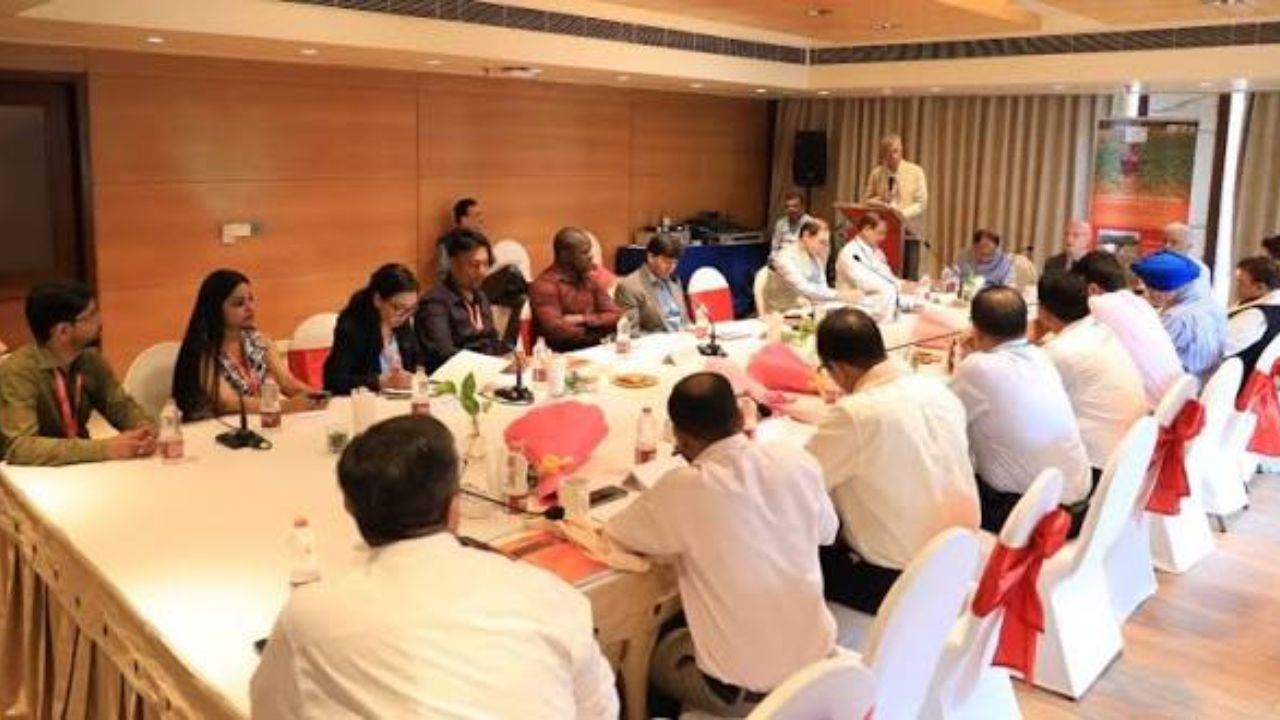
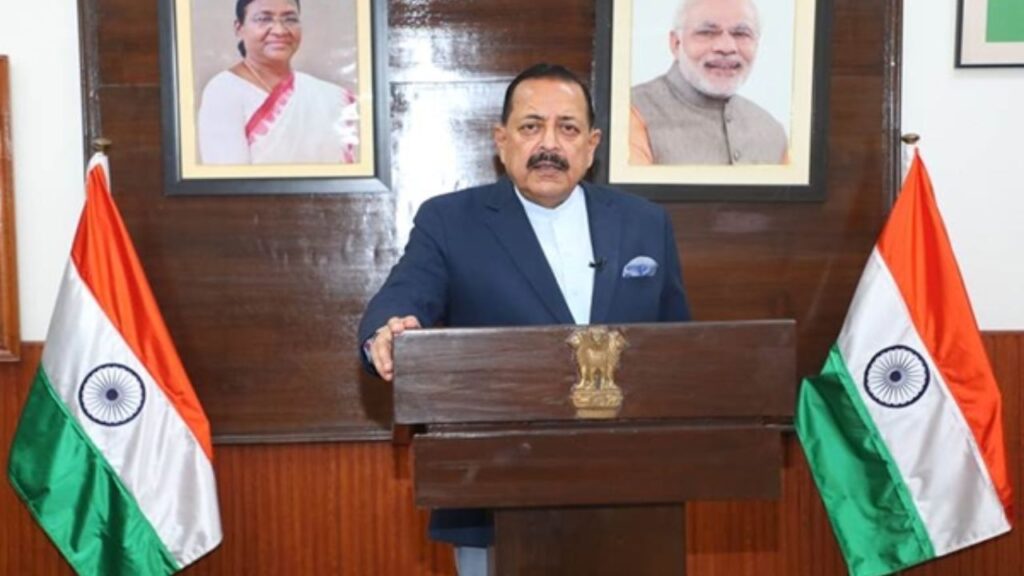

Union Minister of State (Independent Charge) for Science and Technology and Earth Sciences, Dr. Jitendra Singh, has emphasized that the future of national security will be determined by the rapid convergence of advanced technologies such as Artificial Intelligence (AI), Quantum Technologies, Biotechnology, and Space capabilities. Addressing senior officers and participants at the National Defence College (NDC), he stated that warfare is increasingly shifting from conventional battlefields to technology-driven strategic operations.
Delivering a special lecture on “Future Trajectory of Science & Technology and its Impact on National Security,” Dr. Singh said scientific innovation has become a critical pillar of national strength, extending beyond military establishments to influence economic resilience, strategic preparedness, and global competitiveness.
Highlighting the changing nature of global conflicts, the Minister observed that technological superiority is emerging as the decisive factor in modern warfare. According to him, recent military engagements around the world have demonstrated the importance of advanced technologies in surveillance, communication systems, precision operations, space assets, and strategic decision-making. He noted that India’s growing technological capabilities have significantly enhanced the country’s defence preparedness and strengthened its standing on the global stage.
Dr. Singh pointed out that India’s defence sector has undergone a remarkable transformation over the past decade. The country has steadily reduced its dependence on imported defence systems while expanding indigenous manufacturing and innovation. Defence production has increased substantially since 2014, reaching nearly ₹1.54 lakh crore, while defence exports have witnessed a dramatic rise, crossing ₹23,000 crore. He credited the increasing participation of private industry for contributing significantly to this growth and helping India emerge as a competitive defence exporter.
The Minister said the defence manufacturing ecosystem now reflects a strong alignment between national security objectives and industrial development. More than 16,000 Micro, Small and Medium Enterprises (MSMEs), along with hundreds of startups, are actively contributing to defence production and technological innovation. This growing ecosystem, he said, demonstrates how strategic requirements can stimulate entrepreneurship, technological advancement, and economic growth simultaneously.
Discussing future technologies, Dr. Singh identified Artificial Intelligence, Quantum Technologies, Biotechnology, and advanced space capabilities as the key drivers of next-generation security frameworks. He explained that AI-powered systems will increasingly support autonomous platforms, intelligent surveillance, predictive analytics, and rapid decision-making processes. AI and Machine Learning, he added, are expected to transform military training, logistics management, operational planning, and threat assessment, enabling faster and more effective responses to evolving challenges.
On quantum technologies, Dr. Singh highlighted their transformative potential in areas such as secure communications, advanced computing, and strategic sensing capabilities. Referring to India’s National Quantum Mission launched in 2023, he said the initiative reflects the country’s commitment to becoming a global leader in quantum research and innovation. He stressed the importance of developing quantum-secure communication networks and post-quantum cryptography to protect critical national and military infrastructure from emerging cyber threats.
The Minister also underscored the growing relevance of biotechnology and synthetic biology in national security planning. Emerging biosecurity risks, including the possibility of engineered pathogens and sophisticated biological threats, require sustained scientific research and preparedness, he said. Investments in biotechnology, according to Dr. Singh, will be crucial for strengthening the nation’s resilience against future health and security challenges.
Outlining India’s future security priorities, Dr. Singh called for a focus on predictive threat management, robust cybersecurity, and greater self-reliance in strategic technologies and supply chains. He said emerging technologies would enable more dynamic threat detection systems, autonomous response mechanisms, and stronger cyber defence capabilities to safeguard national interests.
Emphasizing the need for collaboration, the Minister urged stronger partnerships among government institutions, industry, academia, startups, and research organizations. Such cooperation, he said, is essential for accelerating innovation and ensuring that scientific breakthroughs are translated into practical solutions. He stressed that technology developed in laboratories must quickly find real-world applications to strengthen India’s strategic capabilities.
Concluding his address, Dr. Singh paid tribute to India’s Armed Forces for their service in protecting the nation and supporting citizens during disasters and humanitarian crises. He said their dedication and sacrifice continue to strengthen the country and inspire future generations. The session concluded with an interactive discussion on emerging technologies, innovation-led security strategies, and the evolving challenges facing national security in the twenty-first century.
Also Read: Astronomers Uncover Origins of Rare Cosmic X-ray Flash Linked to Powerful Stellar Explosion

Author: Shivam
Shivam Dwivedi is a senior journalist with extensive experience in research-driven journalism, policy communication, and multi-platform storytelling. His areas of interest include international relations, defence, science & technology, education, urban development, agriculture, spirituality, and environmental sustainability. His work focuses on in-depth analysis, public discourse, and impactful narratives across governance and development sectors, with a strong commitment to the Sustainable Development Goals (SDGs). Contact: [email protected]