
India’s private seed companies have built substantial surplus inventories for the ongoing kharif season amid concerns over a weak and delayed monsoon caused by the emerging El Niño weather pattern. Industry representatives say that while seed availability remains comfortable, ensuring timely distribution to drought-prone regions has become the primary challenge.
According to the Federation of Seed Industry of India (FSII), seed companies are currently maintaining surplus stocks ranging between 20 and 30 percent, supported by a strong seed production season for major crops such as rice, maize and millets.
FSII Chairman Ajai Rana said the industry had entered the kharif season with adequate preparedness. Traditionally, companies maintain a buffer stock of around 15-20 percent to account for returns and unforeseen demand. However, favourable seed production has enabled many firms to maintain larger inventories this year.
The additional stock is expected to help farmers in case delayed rainfall forces them to undertake replanting. However, Rana emphasized that the real challenge lies in moving the available stocks to districts facing rainfall deficits before the sowing window closes.
He noted that short-duration and climate-resilient crop varieties will play a crucial role in areas affected by delayed rains.
Government estimates indicate that certified seed availability for the current kharif season stands at 19.24 million quintals against an estimated requirement of around 17.3 million quintals. The private sector, which supplies nearly 70 percent of the country’s seeds through an extensive retail network, has also created additional reserves.
The Centre has identified 315 districts spread across 12 states that could experience the impact of delayed monsoon conditions this year.
Agriculture experts have expressed concern over the potential impact of El Niño, which generally leads to below-normal rainfall in several parts of India. Since nearly half of the country’s agricultural land depends on rainfall, the kharif season remains particularly vulnerable.
According to the industry, sowing activities have already been delayed in parts of Madhya Pradesh, Chhattisgarh, Bihar and Jharkhand. In contrast, irrigated regions such as Punjab, Haryana and western Uttar Pradesh have largely remained unaffected because of extensive irrigation coverage.
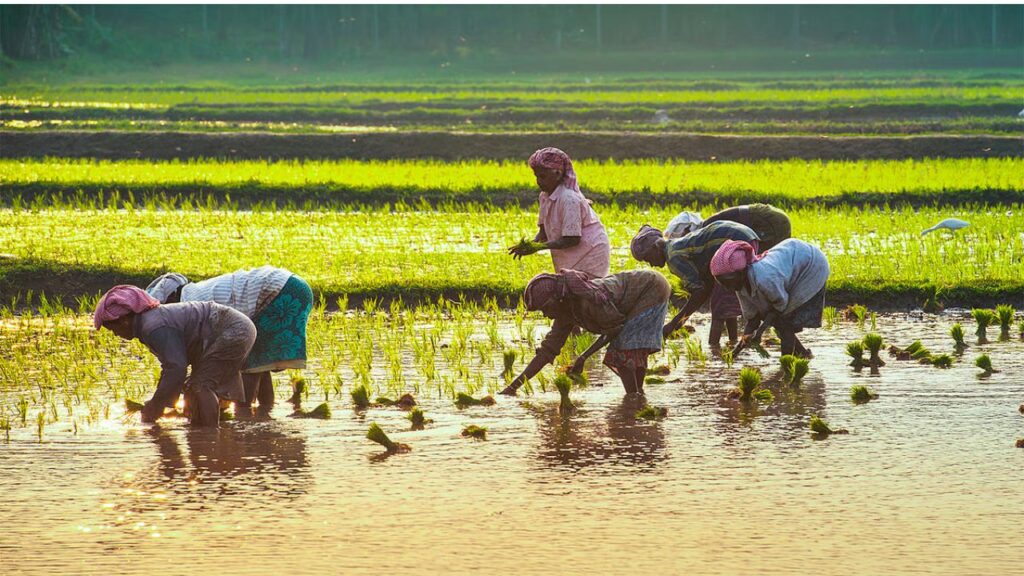
If rainfall remains weak during July and August, farmers may have to shift towards short-duration and high-yielding varieties that can mature within a shorter growing period. Experts have also advised modifying cultivation practices, including earlier application of fertilisers and timely transplantation of rice seedlings.
Rana dismissed the perception that hybrid seeds require greater quantities of water and fertilisers. He argued that hybrids often perform more efficiently due to higher vigour and can mature earlier than conventional varieties, reducing overall input requirements.
The seed industry has also observed an increasing preference for early and medium-duration varieties across several crops and regions. In rice-growing states such as Madhya Pradesh, Bihar, Chhattisgarh, Odisha, West Bengal, Telangana and eastern Uttar Pradesh, farmers may need to adopt shorter-duration varieties if monsoon delays persist.
Maize cultivation in states including Maharashtra, Karnataka and Madhya Pradesh is also being closely monitored. Meanwhile, millets such as pearl millet and sorghum are considered better suited to low-rainfall conditions, with sufficient seed stocks available.
Industry representatives have raised concerns regarding policies that encourage cultivation of long-duration rice varieties in drought-prone areas. They argue that promoting water-intensive crops during deficient rainfall years may increase risks for farmers.
To strengthen preparedness, FSII member companies are using remote sensing technologies, digital monitoring systems and farmer surveys to identify vulnerable districts and track sowing progress.
A recent survey conducted among 1,000 farmers revealed that nearly three-fourths had already purchased seeds, while the remaining farmers were waiting for the arrival of monsoon rains before making sowing decisions.
The industry has also intensified efforts to prevent the circulation of counterfeit seeds. Companies have adopted QR code-based verification systems under the government’s seed traceability initiatives, enabling farmers to verify the authenticity of seed packets.
Experts believe that effective coordination between seed companies, government agencies and local distribution networks will be essential to ensure that quality seeds reach affected regions in time and help farmers manage the challenges posed by an uncertain monsoon season.
Also Read: Odisha Strengthens Gender-Responsive Agricultural Governance Through Capacity Partnership Workshop

Author: Shivam
Proficient Writer Contact: [email protected]