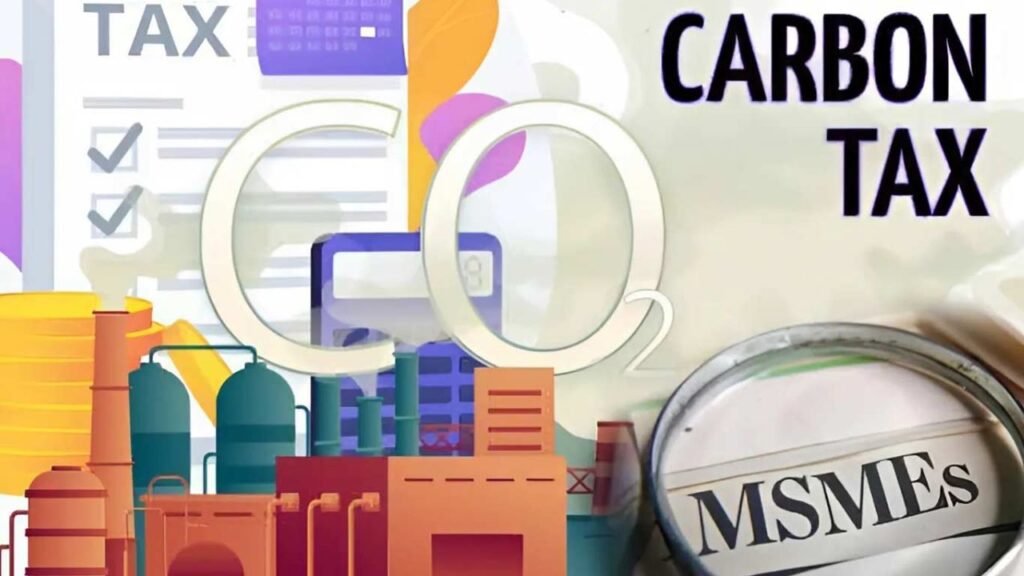

The Central government is working on a new support scheme aimed at easing the financial burden of carbon compliance on micro, small and medium enterprises (MSMEs), as Indian exporters face growing challenges from the European Union’s Carbon Border Adjustment Mechanism (CBAM).
According to sources, the proposed scheme may cover up to 90 percent of the compliance costs incurred by MSMEs. The move comes as small exporters struggle to meet the stringent reporting requirements imposed under the EU’s carbon tax framework, which came into effect on January 1, 2026.
The CBAM is designed to place a carbon price on imports of carbon-intensive products entering the European Union. The mechanism seeks to ensure that imported goods face similar carbon costs as products manufactured within the EU. The United Kingdom is also expected to introduce a similar mechanism from 2027.
Industry representatives have repeatedly expressed concern over the significant costs associated with compliance. Estimates suggest that each MSME unit may need to spend between Rs 15 lakh and Rs 20 lakh annually to meet reporting and verification requirements.
The regulation requires exporters to track and report the embedded emissions generated during the manufacturing process. This includes direct emissions and, in some sectors such as cement and fertilisers, indirect emissions as well. Businesses are expected to maintain detailed records and submit verified data regarding the carbon footprint of their products.
For smaller enterprises, these requirements present a major challenge. Many MSMEs lack the technical expertise, digital infrastructure and financial capacity necessary to collect and report the required information. As a result, companies may need to invest in carbon accounting systems, third-party verification services and employee training.
Under the EU framework, importers must rely on default emission values if exporters fail to provide actual data. These default values are subject to additional mark-ups, increasing the financial burden. The mark-up has been fixed at 10 percent for 2026, 20 percent for 2027 and 30 percent from 2028 onwards.
Experts believe that these fixed compliance costs disproportionately affect smaller businesses. Since such expenses do not decline with lower production volumes, MSMEs face a higher burden compared to large corporations with greater financial resources.
Legal and trade experts have noted that the issue extends beyond the carbon levy itself. The costs involved in measuring, verifying and reporting emissions may significantly reduce the competitiveness of smaller exporters in European markets.
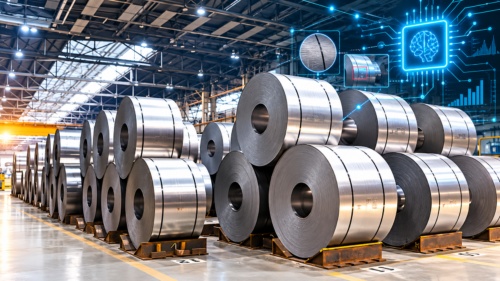
India’s iron and steel sector is expected to face the greatest impact from CBAM. A recent study by the Indian Council for Research on International Economic Relations (ICRIER) indicated that European imports of Indian iron and steel products could decline by nearly 24 percent due to the carbon tax mechanism.
The study further estimated that India’s global exports of iron and steel products may decline by around 5.7 percent, primarily because of reduced shipments to European markets. Fertilisers, aluminium products and metal goods are also expected to face considerable pressure.
India is currently the world’s second-largest producer of crude steel and primary aluminium, making the implications of CBAM particularly significant for the country’s export sector.
The proposed government support scheme is expected to provide much-needed relief to small exporters. Industry stakeholders believe that targeted assistance, capacity-building measures and financial support will be essential to help MSMEs remain competitive in international markets.
As global climate regulations continue to evolve, India’s response to carbon-related trade measures is likely to play a crucial role in protecting the interests of its export-driven industries while supporting the transition toward sustainable manufacturing practices.
Also Read TTBS Launches RozBanateHainNayaKal Campaign to Celebrate MSMEs on MSME Day 2026