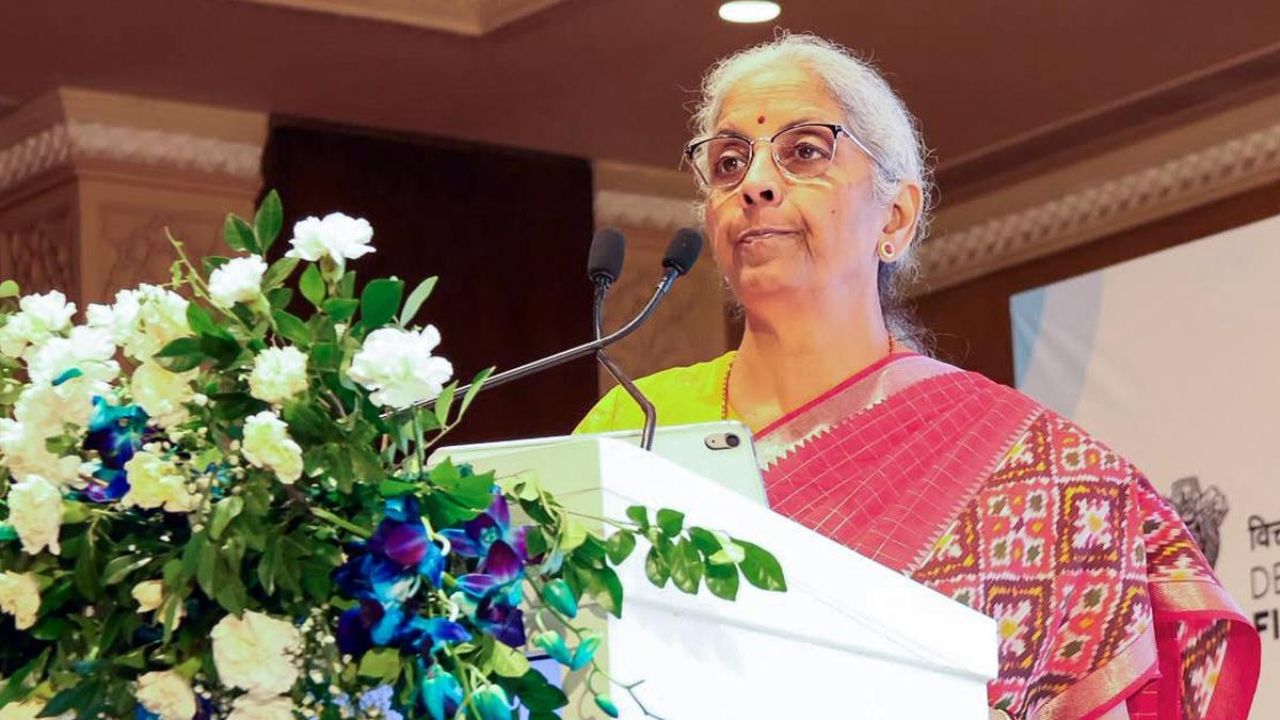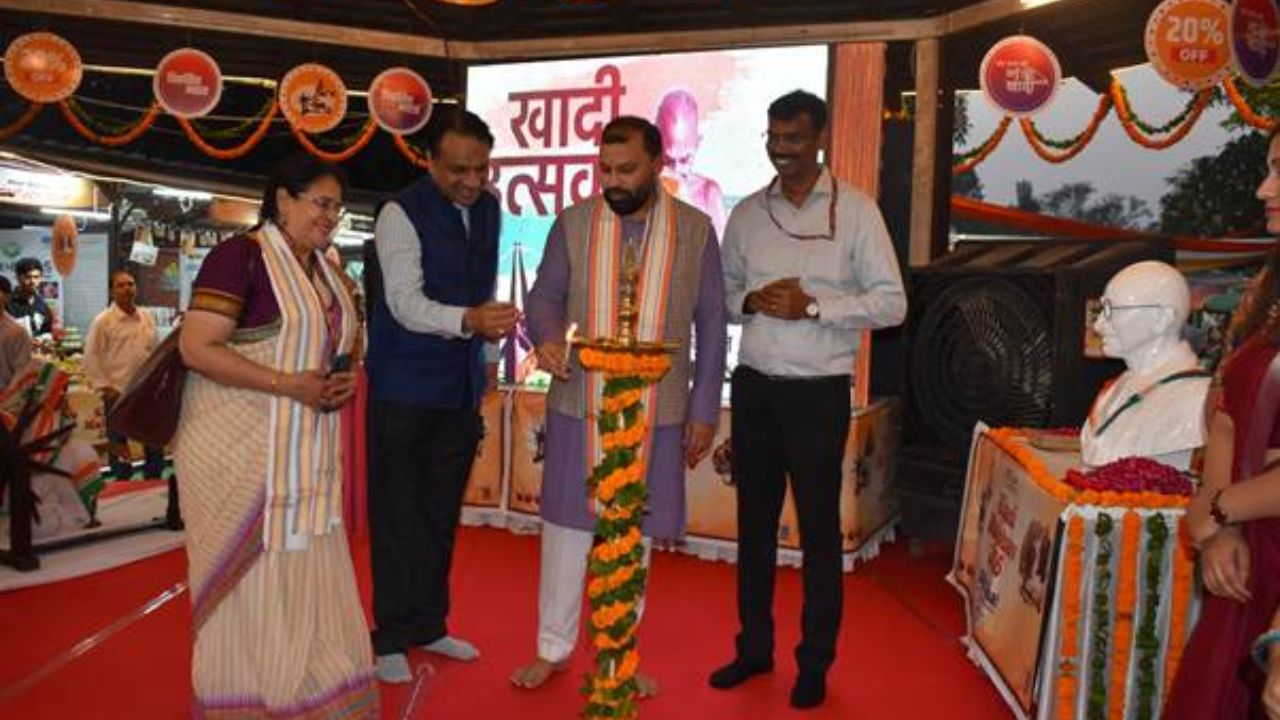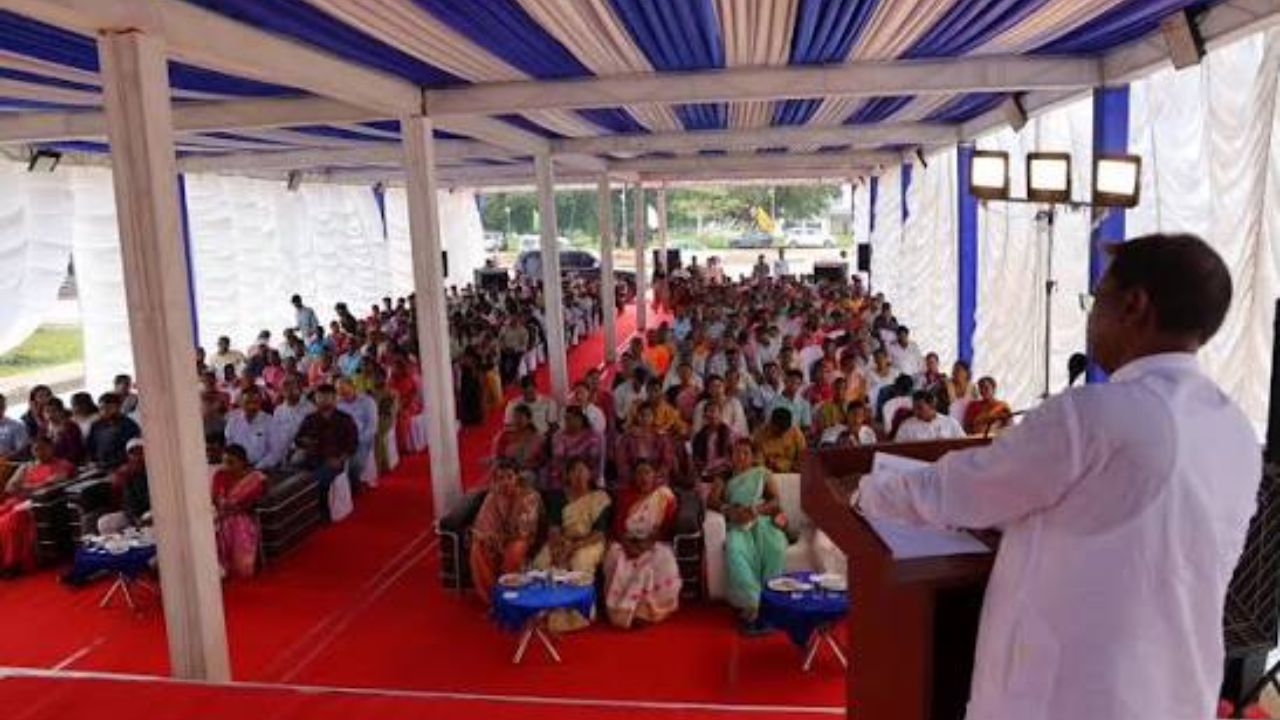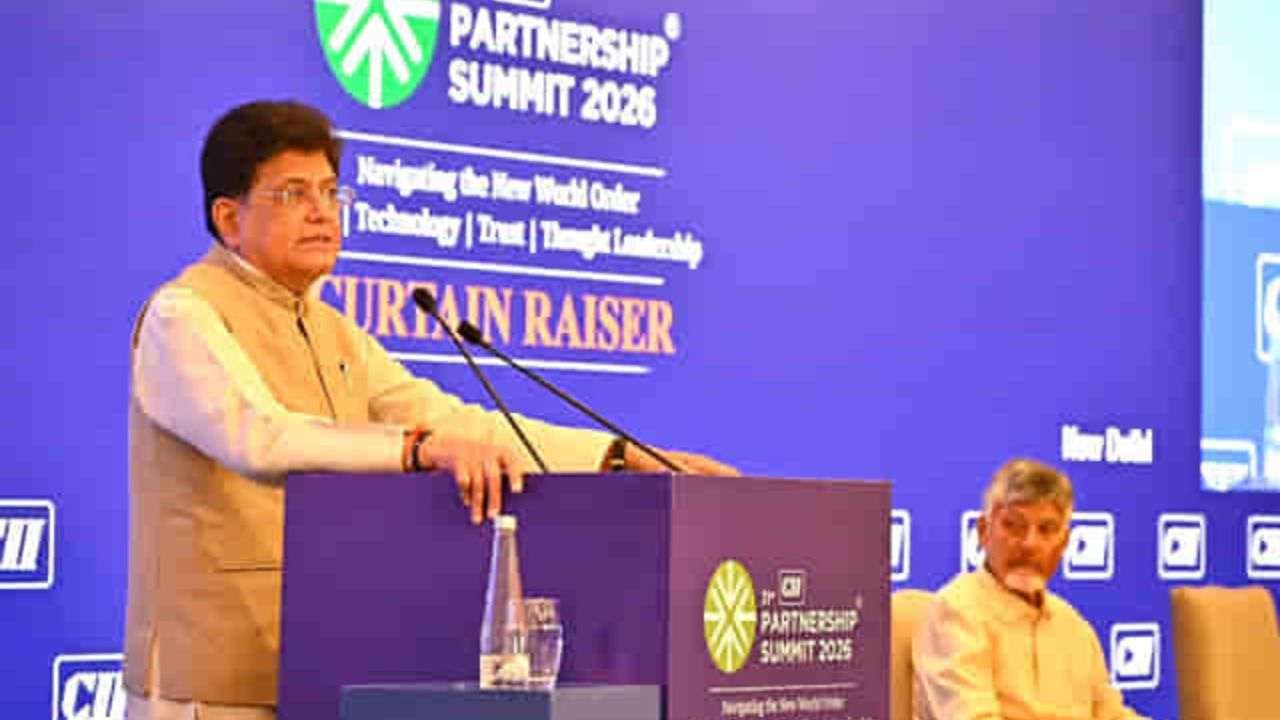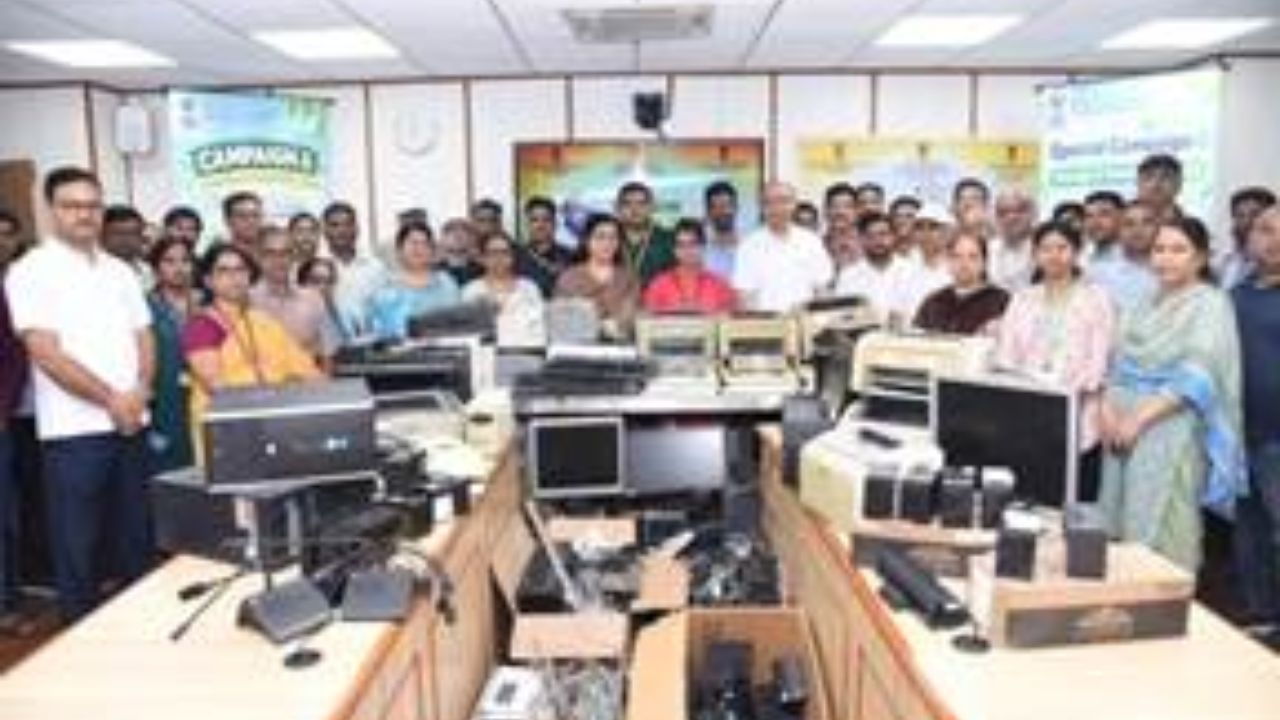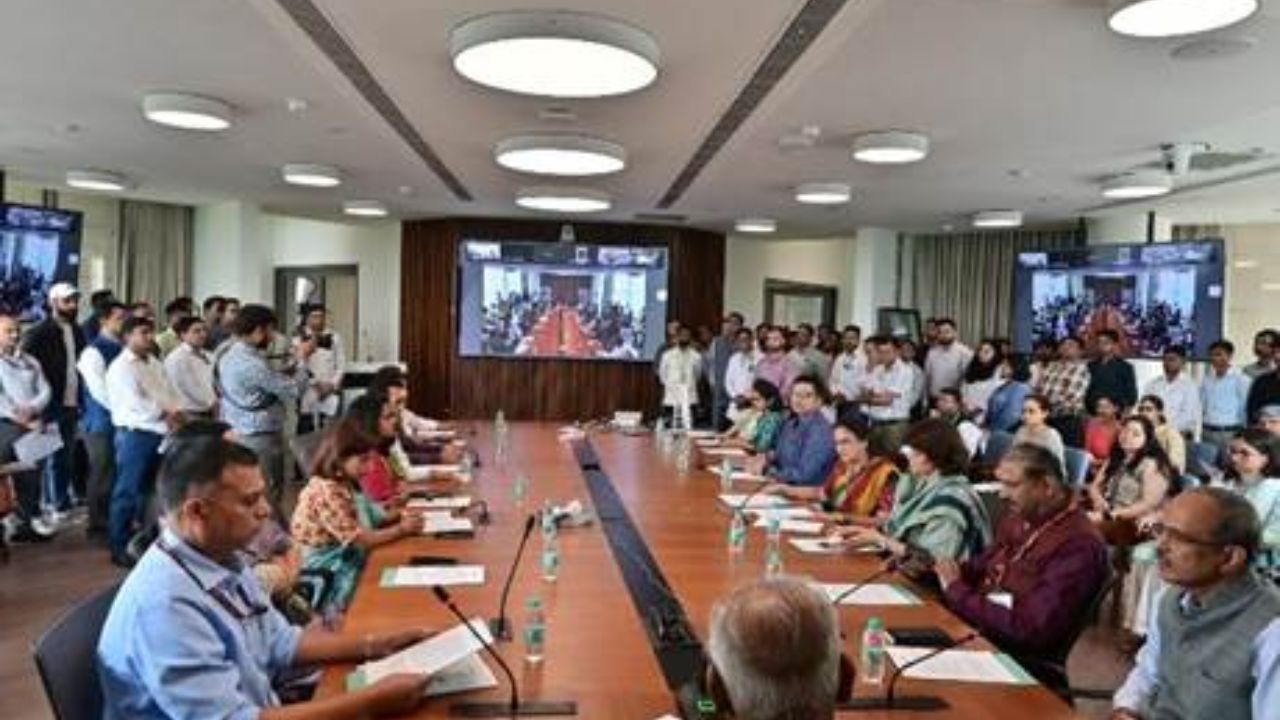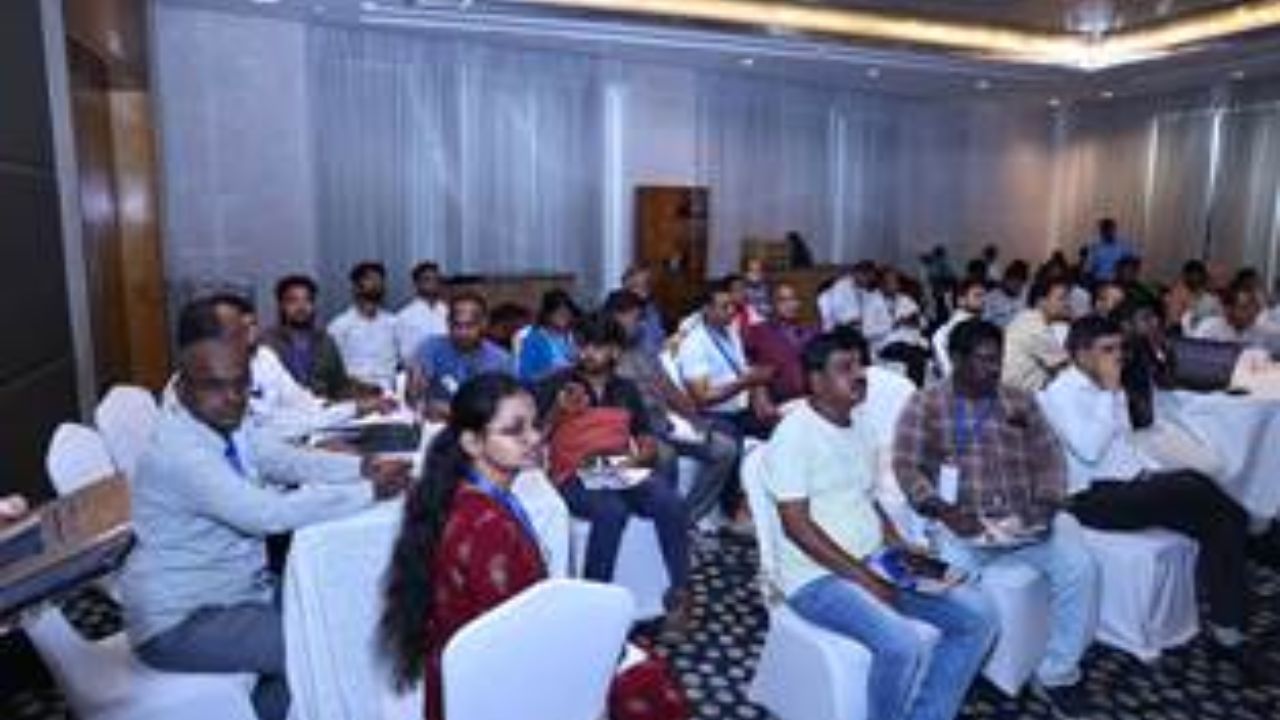
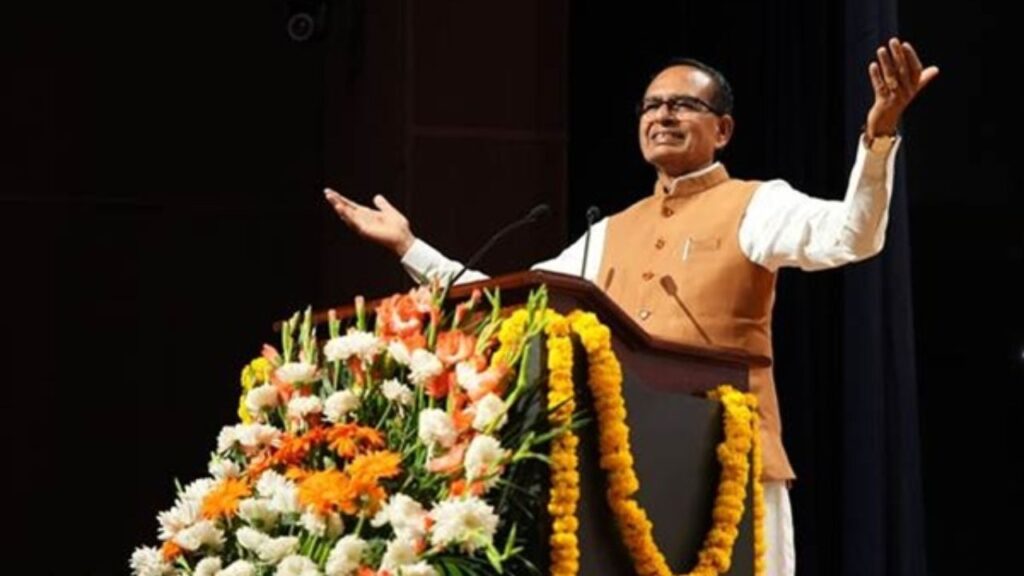

To translate Prime Minister Narendra Modi’s vision of ‘Shakti Ki Saptadhara’ into concrete action, the Ministries of Agriculture & Farmers Welfare and Rural Development organised a commitment programme at the C. Subramaniam Auditorium in Pusa, New Delhi. The initiative, led by Union Minister Shivraj Singh Chouhan, brought together government officials, scientists, farmers, Lakhpati Didis, food processors, exporters and representatives of Farmer Producer Organisations (FPOs).
Chouhan administered a collective pledge calling for coordinated efforts to build a developed, prosperous, self-reliant and empowered India. Minister of State Bhagirath Choudhary, Dr. Chandra Shekhar Pemmasani and senior officials from the four departments also attended the programme.
Agriculture and Food Processing at the Core
Addressing the gathering, Chouhan said agriculture and food processing are critical components of the Prime Minister’s roadmap for a developed India. He stressed that increasing farm output alone would not be sufficient and called for greater emphasis on quality, food safety, global standards, processing, packaging, branding and exports.
He said farmers, researchers, processors, exporters, officials, FPOs and Self-Help Groups (SHGs) must work as partners to strengthen the entire agricultural value chain. Growing global demand for natural, organic and chemical-free products, he noted, provides Indian farmers with significant opportunities.
Connecting Farms to Global Markets
The Union Minister emphasised the need to connect Indian farms with international markets. Products such as spices, fruits, flowers, chillies and traditional foods can generate greater returns when supported by modern processing, quality assurance and effective branding.
He called for better market intelligence and technical support so farmers can understand domestic and international demand and adjust production accordingly. Research institutions, Krishi Vigyan Kendras and state governments, he said, should work together to ensure that new technologies and scientific practices reach farmers.
State and District-Level Agricultural Plans
Chouhan advocated preparation of dedicated agricultural roadmaps for every state and district alongside a national strategy. Since soil, climate, water availability and cropping patterns differ across regions, he said agricultural planning should reflect local conditions.
He also highlighted the role of artificial intelligence, mechanisation, improved seeds and modern farming techniques in raising productivity. The government’s priorities, he said, remain increasing production, reducing cultivation costs, improving quality and ensuring remunerative returns for farmers.
Six Crore Lakhpati Didis Target
The Minister highlighted the Lakhpati Didi initiative as an important pillar of rural economic transformation. After achieving the target of three crore Lakhpati Didis, the government has now set an objective of creating six crore such women.
He said rural women associated with SHGs would receive greater opportunities in skill development, entrepreneurship, finance and market access. Initiatives such as ‘She-Marts’ and stronger branding would help take products made by rural women, including handicrafts, food items, Ayurvedic products and traditional goods, to markets across India and abroad.
Focus on Ground-Level Development
Chouhan said the goal of a developed India cannot be achieved without prosperous villages. He urged officials to move beyond office-based monitoring and regularly visit villages to assess whether government programmes are producing the intended results.
He stressed the importance of strengthening water security, river rejuvenation, land conservation, rural livelihoods, housing, roads and employment opportunities. The effectiveness of development programmes, he said, should ultimately be judged by their impact on villages and beneficiaries.
Four Mantras for Effective Governance
Calling for dedication and field-oriented administration, Chouhan shared four guiding principles: “Paanv mein chakkar, munh mein shakkar, seene mein aag aur maathe par barf.”
He explained these as the need to remain active in the field, maintain a courteous approach, work with passion and determination, and remain calm and composed while facing challenges.
Secretaries of the four departments also outlined their respective priorities covering agricultural research, farm productivity, rural livelihoods, Lakhpati Didis, land conservation and water management.
The programme concluded with a collective resolve to strengthen agriculture, expand food processing, raise farmers’ incomes, promote rural women’s economic empowerment and take Indian agricultural products to global markets. Chouhan said achieving the Prime Minister’s vision would require every stakeholder to treat the national agenda as a shared responsibility and translate it into measurable action.