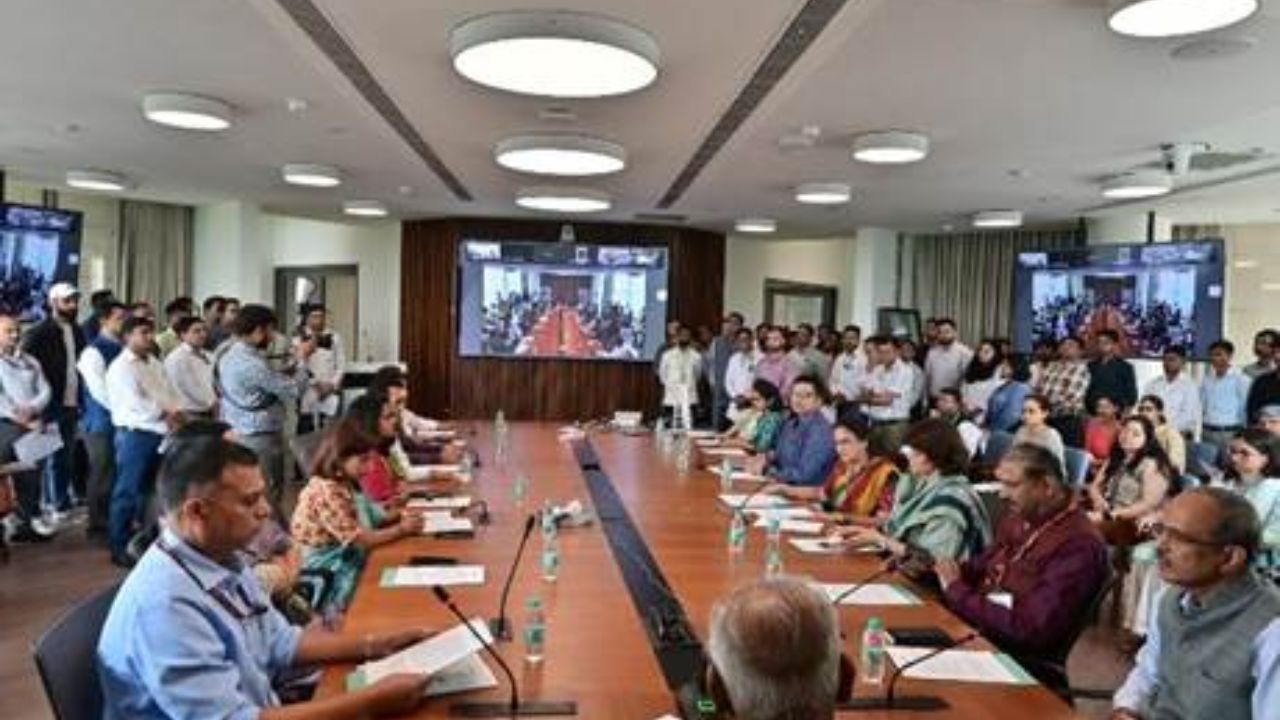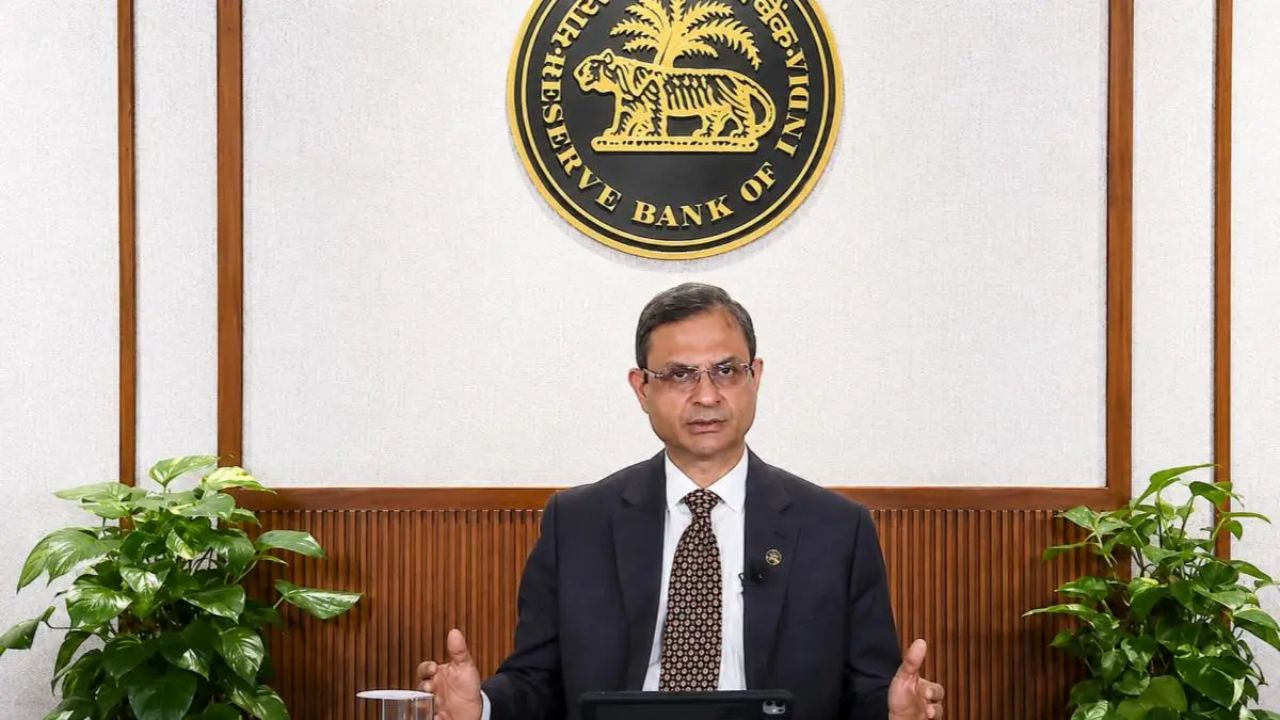
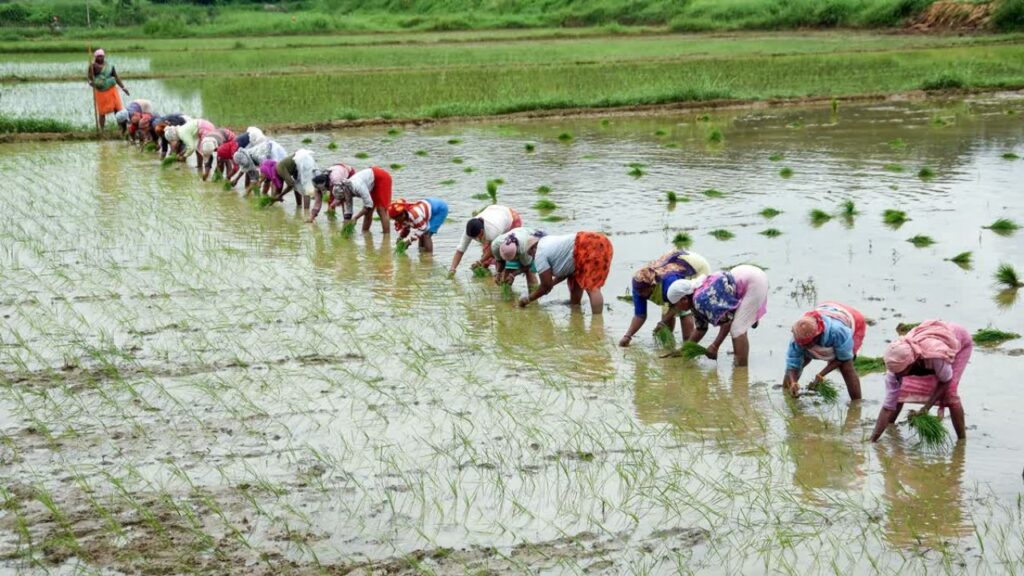

With concerns mounting over a delayed southwest monsoon and the possible impact of El Niño conditions on agricultural production, the Central Government has intensified preparations for the ongoing Kharif season. Union Agriculture and Farmers Welfare Minister Shivraj Singh Chouhan chaired a high-level virtual review meeting involving state agriculture ministers, district collectors, scientists from the Indian Council of Agricultural Research (ICAR), experts from ICAR-CRIDA, and officials of the India Meteorological Department (IMD).
Addressing the media after the meeting, Chouhan assured farmers that both the Centre and state governments are working in close coordination to tackle any challenges arising from a weak monsoon. He emphasized that proactive planning and scientific interventions are already underway to safeguard agricultural production and farmers’ livelihoods.
According to the minister, the southwest monsoon has been significantly delayed this year, with rainfall recorded at nearly 43 percent below normal levels so far. IMD forecasts indicate that rainfall activity is likely to remain subdued in the coming days, raising concerns for rainfed agricultural regions that rely heavily on seasonal precipitation.
To prepare for possible adverse conditions, the Ministry of Agriculture and ICAR have jointly identified around 315 districts that could be affected by inadequate rainfall. Among them, 111 districts have been categorized as high-priority areas due to irrigation coverage of less than 25 percent. Another 76 districts fall into the medium-priority category, while 128 districts have relatively better irrigation infrastructure and are considered lower risk.
Most of the vulnerable districts are spread across Madhya Pradesh, Maharashtra, Gujarat, Uttar Pradesh, Rajasthan, Karnataka, Bihar, Jharkhand, Telangana, Andhra Pradesh and Odisha. State governments and district administrations have been instructed to accelerate preparedness measures and closely monitor local conditions.
A key element of the government’s strategy is the implementation of District Agriculture Contingency Plans (DACPs), prepared by ICAR and ICAR-CRIDA. These plans recommend district-specific measures such as alternative crops, crop diversification, efficient water use, and additional income-generating activities. Chouhan stressed that these plans should be translated into actionable field-level interventions rather than remaining as administrative documents.
Water conservation has been identified as a major priority. The minister directed states to repair and strengthen ponds, reservoirs, check dams, farm ponds and other water harvesting structures. He also called for increased focus on water conservation works under MGNREGA and upcoming rural development programmes, ensuring that employment generation and water storage enhancement go hand in hand.
The government is also encouraging farmers to adopt climate-resilient agricultural practices. States have been advised to promote short-duration crop varieties and crops that require less water while maintaining productivity. Special emphasis is being placed on pulses, oilseeds and Shri Anna (millets), which are better suited to limited moisture conditions. Farmers are also being encouraged to adopt crop diversification, intercropping and mixed farming systems to reduce risks associated with monsoon variability.
To ensure uninterrupted agricultural operations, adequate stocks of seeds and fertilizers have been arranged. Additional seed reserves have been earmarked for districts that may require re-sowing. Authorities have also confirmed sufficient availability of major fertilizers, including urea, DAP, MOP, NPK and SSP, for the Kharif season.
Scientific advisories will play a crucial role in supporting farmers. The country’s 731 Krishi Vigyan Kendras (KVKs), along with Agro-Meteorological Advisory Units, have been tasked with disseminating timely information through SMS alerts, WhatsApp messages, radio, television and social media platforms.
Recognizing the potential impact on livestock, the government is preparing contingency plans for fodder supply in drought-prone areas. Measures are being put in place to transport fodder from surplus regions and prevent hoarding or black marketing.
The Centre is also strengthening financial safeguards through wider coverage of the Pradhan Mantri Fasal Bima Yojana (PMFBY), faster issuance of Kisan Credit Cards and support under PM-KISAN. A dedicated El Niño Monitoring Cell and Crop Weather Watch Group have been established to track monsoon progress and coordinate response measures.
Reassuring farmers, Chouhan said there is no reason for panic and expressed confidence that coordinated efforts by governments, scientists and farming communities will help mitigate risks and protect agricultural production during the challenging season ahead.

Author: Shivam
Proficient Writer Contact: [email protected]