
In a significant step towards strengthening the export capabilities of India’s Micro, Small and Medium Enterprises (MSMEs), the Centre for Trade and Investment Law (CTIL) at the Indian Institute of Foreign Trade (IIFT), in partnership with the Confederation of Indian Industry (CII), launched a comprehensive guidebook titled “Going Global: A Practical Guide for Indian MSMEs” in New Delhi.
The publication has been designed as a practical handbook to assist Indian MSMEs in navigating the complexities of international trade. It aims to provide businesses with easy access to export-related information, market intelligence, compliance requirements and tools that can help them compete more effectively in global markets.
A Practical Roadmap for Export Readiness
The newly launched guidebook seeks to bridge critical information gaps that often prevent smaller enterprises from expanding overseas. It brings together practical guidance on identifying export opportunities, understanding foreign market access conditions, meeting international quality and sustainability standards, and making use of freely available trade intelligence resources.
Representatives from CII introduced the publication during the launch event, highlighting that it has been developed as a one-stop resource for entrepreneurs looking to enter global markets without incurring significant research costs.
The guidebook also provides step-by-step guidance on evaluating export destinations, identifying potential overseas buyers and understanding certification requirements that are increasingly becoming mandatory in international trade.
Addressing Challenges Faced by MSMEs
Indian MSMEs contribute significantly to employment, manufacturing and exports, yet many struggle to establish a presence in overseas markets due to limited access to reliable trade information.
The guidebook addresses several common hurdles faced by smaller businesses, including inadequate knowledge of international buyers, difficulties in complying with global standards, lack of awareness about certification processes and maintaining competitive pricing in export markets.
By simplifying market analysis and introducing entrepreneurs to trusted digital trade intelligence platforms, the publication aims to help businesses make informed decisions while reducing the cost and complexity associated with export planning.
Experts Discuss Global Expansion Strategies
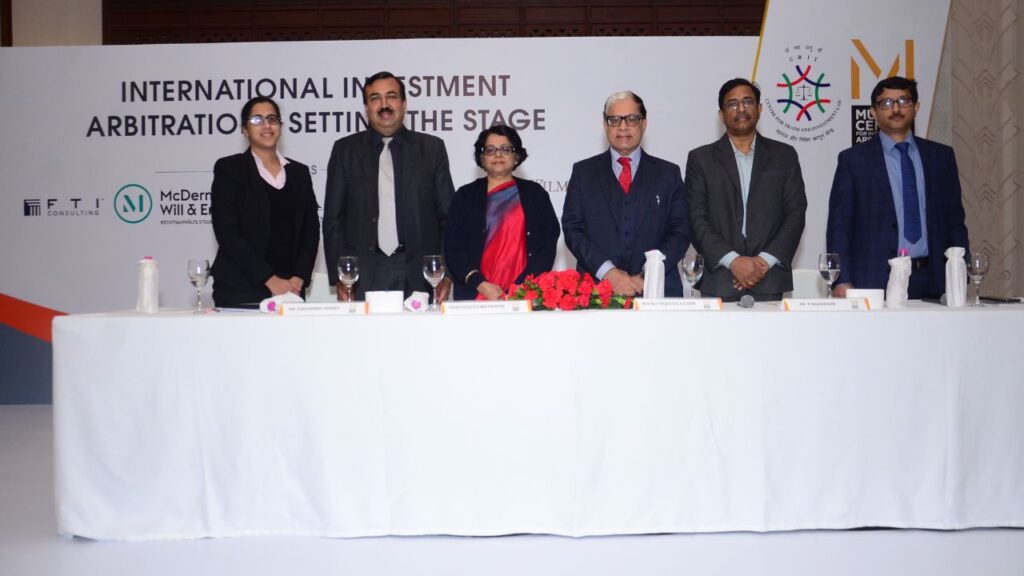
Following the launch, industry experts participated in a panel discussion on strategies to enhance the global competitiveness of Indian MSMEs.
Moderated by Sumanta Chaudhuri, the discussion featured CTIL Senior Research Fellow Ridhish Rajvanshi, Neetee Apparels Managing Director and former FISME President Dr. Animesh Saxena, and Araina Group Chairman Nalin Kohli.
The panel explored how Indian businesses can better utilise the preferential Rules of Origin available under India’s Free Trade Agreements (FTAs) to gain improved market access. The speakers also discussed the importance of understanding trade agreements, identifying high-potential export destinations and aligning products with evolving international demand.
Diversification, value addition and adherence to international quality standards were highlighted as key factors that could help MSMEs strengthen their competitiveness in overseas markets.
Focus on Trade Remedies
The programme also featured a presentation by CTIL Consultant Tanvi Praveen on the Trade Remedies Advisory Cell (TRAC).
The presentation explained how TRAC supports domestic industries by creating awareness about trade remedy laws and providing guidance on issues such as unfair trade practices, dumping and sudden import surges. The initiative aims to help businesses better understand the legal mechanisms available to safeguard their interests in international trade.
Policymakers Stress Institutional Support
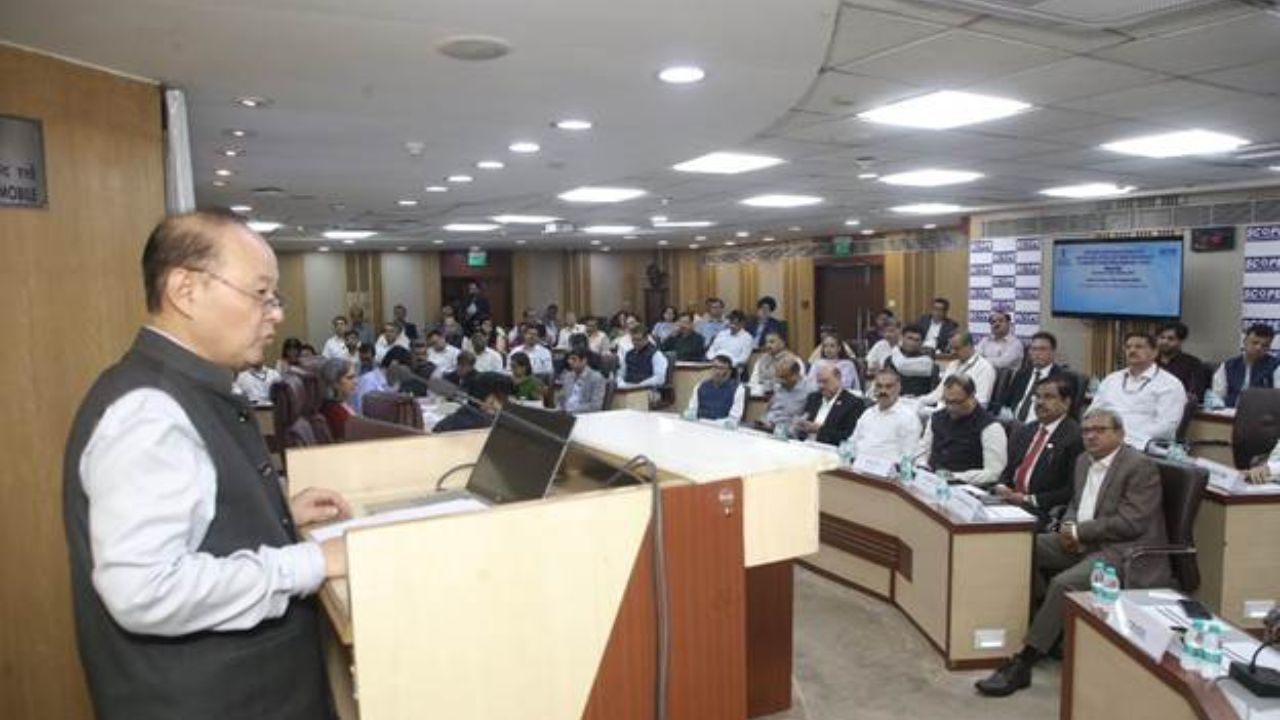
The event brought together policymakers, trade experts, industry representatives and MSME stakeholders to deliberate on practical measures for increasing India’s export competitiveness.
The inaugural session began with welcome remarks by Dr. James J. Nedumpara, Head of the Centre for Trade and Investment Law, followed by opening observations from Sumanta Chaudhuri, Principal Advisor in CII’s International Trade Policy Division.
Shri Anil Bhardwaj, Secretary General of the Federation of Indian Micro and Small & Medium Enterprises (FISME), also addressed the gathering, while Additional Secretary in the Department of Commerce, Shri Amitabh Kumar, delivered the special address.
The speakers underscored the importance of strengthening institutional support systems that enable MSMEs to access global markets more efficiently and benefit from India’s expanding network of trade agreements.
Building Globally Competitive MSMEs
The programme concluded with an interactive question-and-answer session, allowing entrepreneurs to engage directly with policymakers and industry specialists on issues related to export preparedness, compliance requirements and market access.
The concluding discussions emphasised that collaboration among MSMEs, participation in international trade exhibitions, strategic partnerships and joint ventures can significantly improve global market penetration. Participants also stressed the need for businesses to make effective use of the resources provided in the newly launched guidebook to integrate more successfully into global value chains.
With international trade becoming increasingly competitive and standards-driven, the guidebook is expected to serve as a valuable reference for Indian MSMEs seeking to expand beyond domestic markets and build a stronger global presence.

Author: Shivam
Shivam Dwivedi is a senior journalist with extensive experience in research-driven journalism, policy communication, and multi-platform storytelling. His areas of interest include international relations, defence, science & technology, education, urban development, agriculture, spirituality, and environmental sustainability. His work focuses on in-depth analysis, public discourse, and impactful narratives across governance and development sectors, with a strong commitment to the Sustainable Development Goals (SDGs). Contact: [email protected]