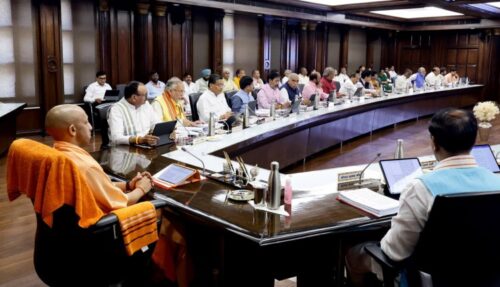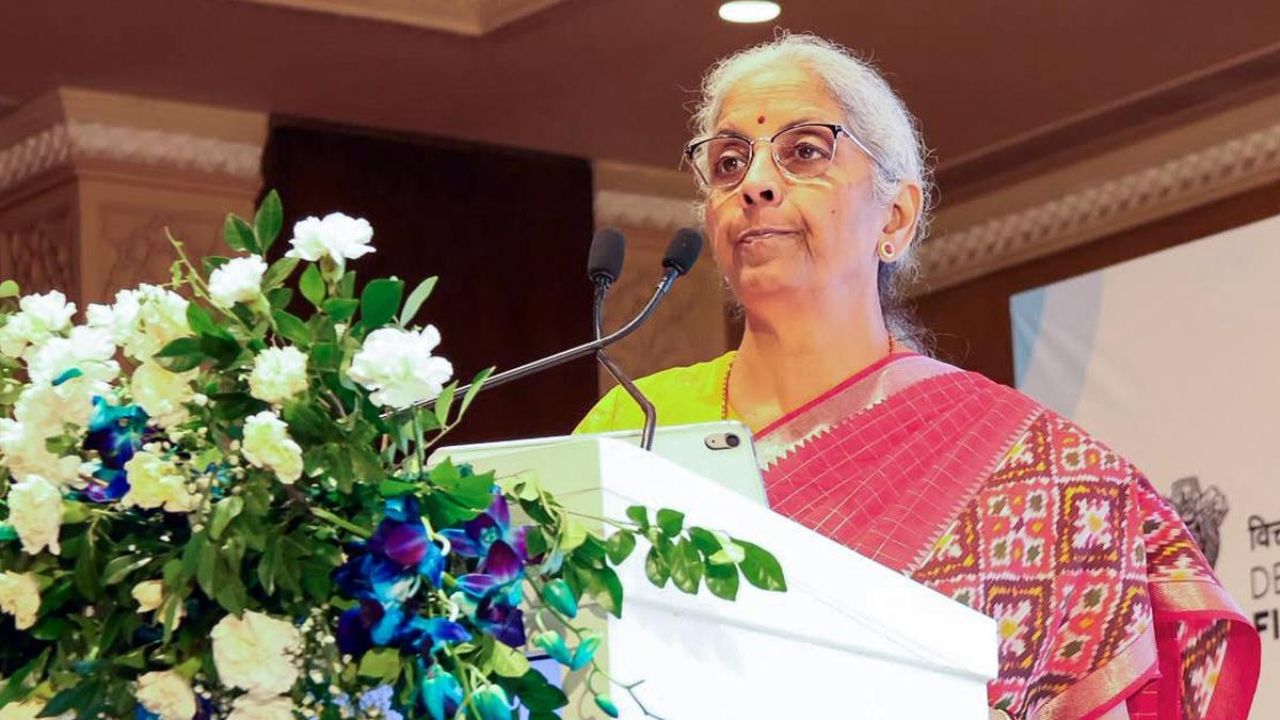
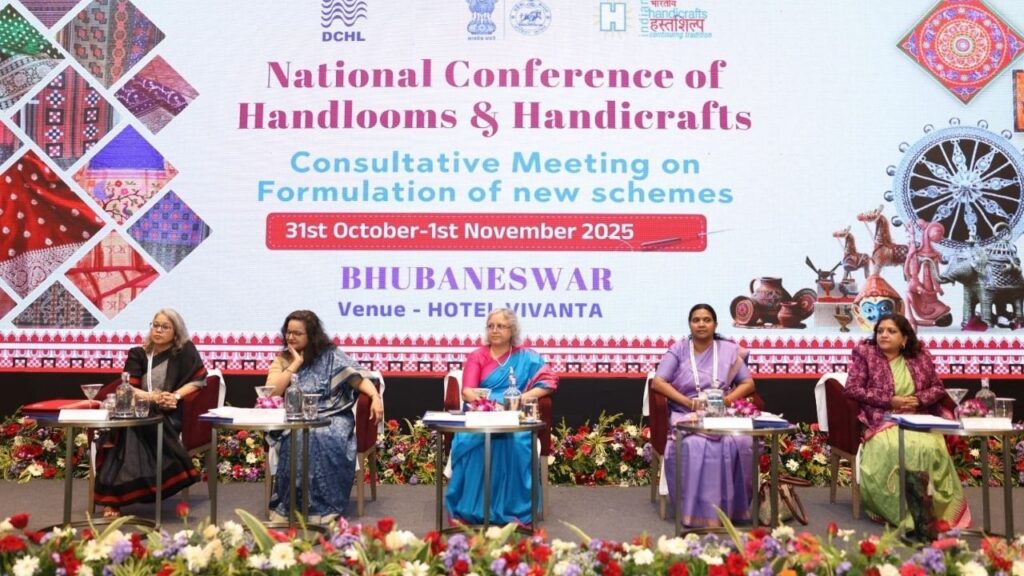

The Ministry of Textiles has intensified efforts to strengthen India’s textile research and development ecosystem with the second Coordination Committee Meeting of Textile Research Associations (TRAs), held at Vigyan Bhawan, New Delhi. The meeting was chaired by Smt. Neelam Shami Rao, Secretary, Ministry of Textiles, and focused on improving coordination, innovation and measurable outcomes in textile research.
The full-day brainstorming session brought together senior officials from the Ministry of Textiles, representatives of Textile Research Associations and experts from key scientific and academic institutions. Representatives from the Office of the Principal Scientific Adviser, Department of Science & Technology, Council of Scientific & Industrial Research (CSIR) and IITs also participated in the deliberations.
Focus on Translating Research into Industry Solutions
A major focus of the meeting was to ensure that research conducted by TRAs responds directly to the changing needs of the textile industry. The government stressed that research projects should have clearly defined objectives and measurable outcomes, with greater emphasis on converting scientific work into technologies, prototypes, patents and commercially viable solutions.
The meeting also highlighted the importance of addressing practical challenges faced by the textile sector, particularly micro, small and medium enterprises (MSMEs). Research outcomes that can support import substitution, improve productivity and enhance technological capabilities are expected to receive greater attention.
Officials underlined that industry participation should begin at the conceptualisation stage of research projects. Early involvement of industry stakeholders would help ensure that research remains relevant, practical and more likely to be adopted commercially.
Review of Initiatives Since First Coordination Meeting
The committee reviewed progress achieved following the first Coordination Committee Meeting. Several initiatives undertaken to strengthen the functioning of TRAs were discussed, including the development of equipment inventories and digital information through the i-TRAMS portal.
Progress on the constitution of various sub-committees, identification of Centres of Excellence and work relating to New Age Fibres were also reviewed. Consultations on emerging opportunities and challenges in the technical textiles sector formed another important part of the discussions.
The Ministry also called for stronger coordination among TRAs and closer alignment of their activities with national priorities and the evolving technological requirements of the textile industry.
Strengthening Innovation and Technology Development
The discussions covered a broad range of areas aimed at building a more competitive research ecosystem. These included global benchmarking of Centres of Excellence and the introduction of a structured Technology Readiness Assessment Framework to evaluate the maturity and potential application of technologies developed through research.
Strengthening the startup and innovation ecosystem was another key priority. The participants discussed ways to encourage collaboration between TRAs, startups, academia and industry to accelerate the development and commercialisation of new technologies.
The need for a common e-library platform was also highlighted to improve access to research knowledge and facilitate information sharing. Mobilising external funding for research projects and strengthening institutional collaborations were identified as additional areas requiring attention.
Effective implementation of projects under the National Technical Textiles Mission, membership expansion, skill development and governance reforms were also discussed.
Five-Year Plans and KPI-Based Monitoring
The upcoming Five-Year Plans and Annual Action Plans of TRAs for 2026–27 are expected to establish a clear strategic direction for research and institutional development. These plans will cover areas such as R&D, technology development, testing and standardisation, capacity building, innovation and collaboration with other institutions.
The Ministry placed particular emphasis on the effective use of the i-TRAMS platform for monitoring research activities, sharing information and mapping the capabilities of different TRAs. The platform is also expected to facilitate better matching of industry requirements with relevant research expertise.
A robust Key Performance Indicator (KPI)-based evaluation mechanism was another major recommendation. Reliable data, periodic reviews and measurable performance indicators are expected to strengthen accountability and ensure that available resources are used effectively.
Building a Globally Competitive Textile Research Ecosystem
The meeting concluded with a collective commitment to creating a stronger, innovation-led and globally competitive textile research ecosystem in India. Greater collaboration among research associations, industry, startups, academic institutions and scientific organisations is expected to help accelerate technology development and adoption.
By shifting the focus towards industry-driven research, measurable outcomes and commercialisation, the Ministry aims to ensure that textile R&D contributes more directly to the sector’s productivity, sustainability, technological advancement and global competitiveness.