
The Department of Biotechnology (DBT), under the Department of Administrative Reforms and Public Grievances (DAR&PG), has stepped up its efforts to achieve the targets set under Special Campaign 6.0, focusing on cleanliness, reduction of pendency, record management, e-waste disposal and improved workplace management.
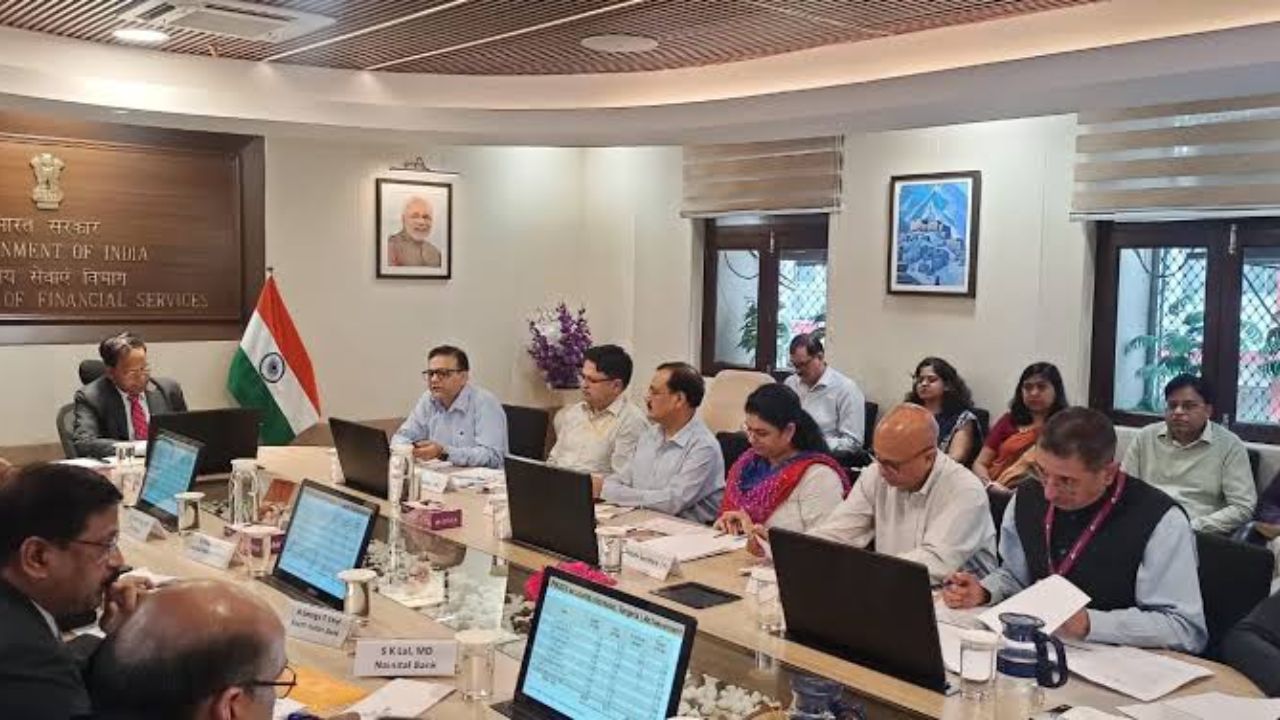
The nationwide Special Campaign 6.0, being conducted from October 2 to 31, 2026, aims to institutionalise cleanliness and minimise pendency across government offices. DBT is implementing the campaign in collaboration with its scientific cadre units, divisions, autonomous institutions and public sector undertakings. The progress of activities is being regularly monitored by the Secretary, DBT, and the Joint Secretary and Nodal Officer for the campaign.
During the preparatory phase from September 15 to 30, DBT identified several targets to strengthen record management and optimise office space. These included reviewing and organising 18,741 e-files and 7,773 physical files. Cleanliness and space-management activities were planned across 156 sites, with the objective of creating 46,486 square feet of usable space. The department also targeted the disposal of 1,694 e-waste items and aimed to generate ₹39.33 lakh through the disposal of e-waste and non-e-waste items.
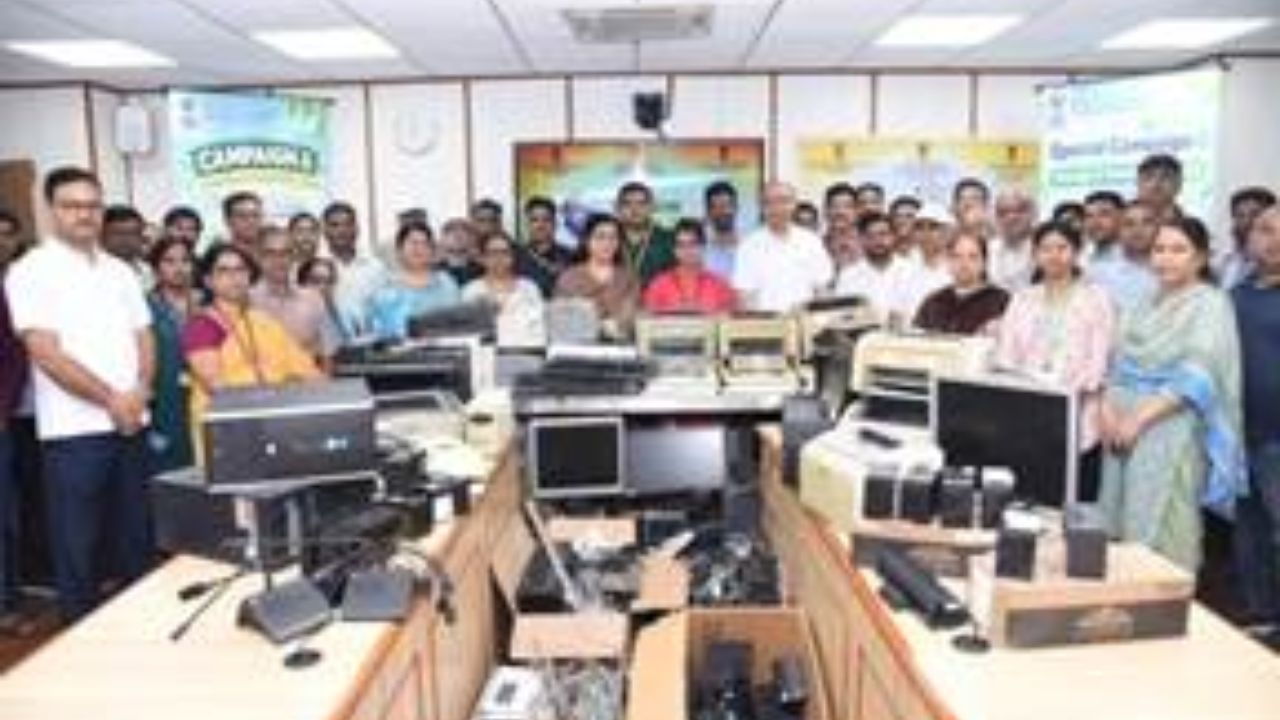
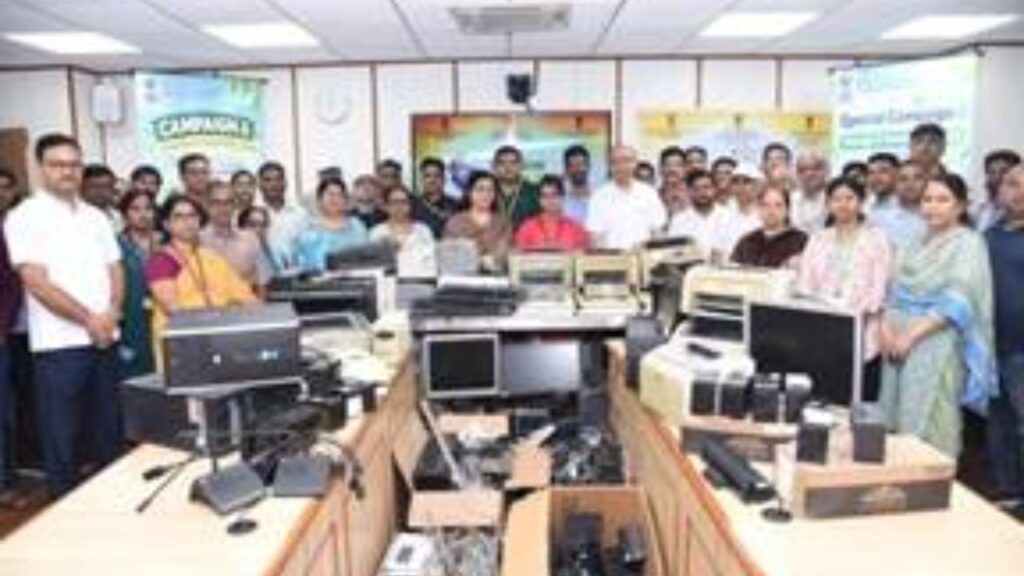
On October 2, observed as Swachh Bharat Diwas, DBT organised an e-waste disposal drive at its headquarters in the CGO Complex, New Delhi. The programme was led by the Secretary, DBT, and witnessed participation from senior departmental officials. The Secretary called upon officers and staff to take individual responsibility for maintaining cleanliness at workplaces and homes, particularly through the proper identification and disposal of obsolete electronic equipment and other unserviceable materials.
Emphasising responsible management of electronic assets, the Secretary highlighted that systematic disposal of obsolete records and scrap can simultaneously generate financial value for the public exchequer and release valuable office space.
As part of the campaign, DBT also conducted the “Ek Din, Ek Ghanta, Ek Saath” cleanliness initiative on October 1 under the chairpersonship of Joint Secretary (Administration) Ekta Vishnoi. Officers and staff participated in a one-hour cleanliness and shramdaan activity from 8 am to 9 am at a public park near JLN Metro Station. The activity was followed by plantation of saplings under the “Ek Ped Maa Ke Naam” initiative.
The department also promoted creative approaches to waste management through “Kabad Se Kala – Waste to Art”, organised under the theme “Swachhata Se Samridhi”. Participants transformed discarded materials into creative artworks, reinforcing the message of Reduce, Reuse and Recycle. The initiative demonstrated how waste materials can be repurposed while promoting awareness about sustainable practices.
A cleanliness drive was also organised at the DBT Secretariat under the Jan Bhagidari theme. Officers and employees participated in activities aimed at improving the upkeep of office premises, promoting responsible waste disposal and encouraging hygienic practices.
In addition, DBT organised SafaiMitra Suraksha Evam Samman Shivirs for sanitation workers and their dependents. The camps provided preventive health check-ups and medical consultations in collaboration with local healthcare providers, highlighting the department’s efforts to support the welfare of sanitation workers.
The department is also documenting campaign activities through photographs and videography, including “Before” and “After” images of identified sites. These updates are being uploaded regularly on the SCDPM Portal, while social media platforms are being used to showcase achievements under Special Campaign 6.0.
Through these initiatives, the Department of Biotechnology is seeking to embed cleanliness, efficient record management, responsible waste disposal and better use of government resources into routine administrative practices. The ongoing campaign reflects DBT’s broader commitment to creating cleaner, more efficient and sustainable workplaces through institutional action and collective participation.

Author: Shivam
Proficient Writer Contact: [email protected]