
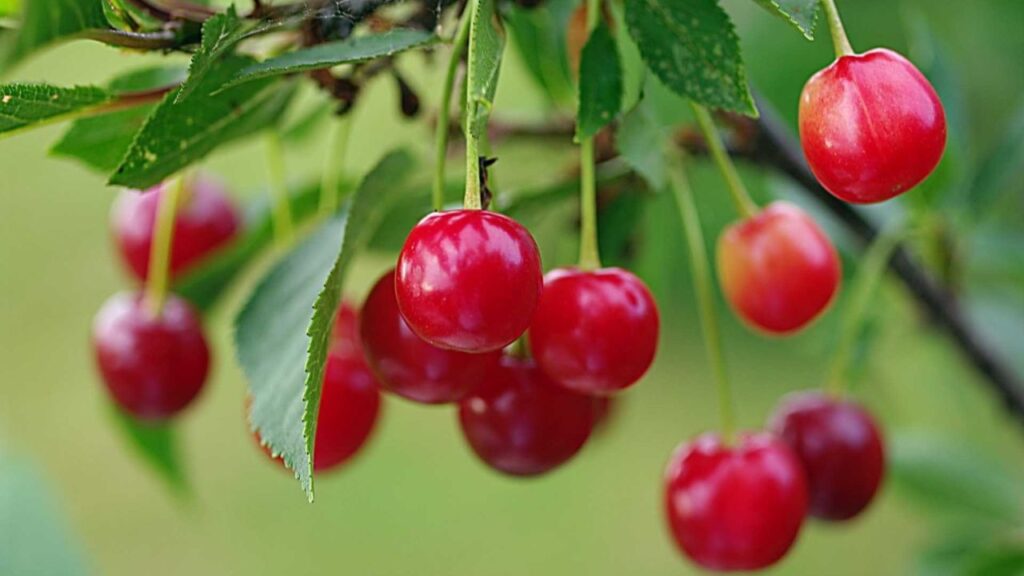

In a significant boost to India’s horticulture export sector, the Agricultural and Processed Food Products Export Development Authority (Agricultural and Processed Food Products Export Development Authority) facilitated the virtual flag-off of the first export shipment of premium Areko cherries and Scentrose plums from the Union Territory of Jammu & Kashmir to the United Arab Emirates (UAE), targeting markets in Abu Dhabi and Dubai.
The consignment, consisting of one metric tonne of high-quality stone fruits sourced from farmers in Shopian and Pulwama districts, marks a milestone for Jammu & Kashmir’s horticulture industry. Known for its favourable climate and fertile soil, the region has long been recognised for producing apples and other temperate fruits. However, this latest export signals a growing diversification into premium stone fruits with strong international demand.
The virtual flag-off ceremony was led by Abhishek Dev and attended by officials from APEDA, representatives of the Department of Horticulture, Government of Jammu & Kashmir, exporters, international buyers, and other stakeholders associated with the horticulture value chain. The event underscored coordinated efforts between government agencies and private exporters to enhance global market access for Indian farmers.
Speaking on the occasion, Abhishek Dev highlighted that Jammu & Kashmir has emerged as an important hub for premium horticultural produce with substantial export potential. He noted that APEDA remains committed to strengthening export linkages through quality enhancement initiatives, global buyer outreach, and market facilitation programmes. According to him, the export of cherries and plums to the UAE reflects rising international demand for India’s high-value fruits and will create new income opportunities for growers.
The shipment is particularly significant for farmers in Shopian and Pulwama, two key horticulture districts in south Kashmir. Farmers associated with the export supply chain reportedly received significantly higher price realisation compared to domestic markets—nearly 60 per cent higher returns for cherries and up to 120 per cent higher returns for plums. This substantial difference highlights the transformative potential of export-oriented agriculture in improving rural livelihoods.
Agriculture experts suggest that access to international markets encourages farmers to adopt better post-harvest handling practices, improved grading, and quality control measures. Such practices not only enhance the shelf life of perishable produce but also ensure consistency in quality, which is critical for competing in global markets. The success of this shipment is expected to motivate more growers in the region to align with export standards and participate in structured value chains.
Officials also noted that the initiative could open doors for broader diversification of Jammu & Kashmir’s horticulture exports. While apples remain the dominant crop, emerging opportunities in cherries, plums, and other temperate fruits are expected to strengthen the region’s agricultural economy. The collaboration between APEDA, local horticulture departments, and exporters is being seen as a model for integrating farmers into global supply networks.
APEDA continues to support India’s agricultural export ecosystem through a combination of quality assurance mechanisms, capacity-building programmes, and international trade facilitation. The successful export of Areko cherries and Scentrose plums represents another step toward expanding India’s footprint in premium fresh fruit markets.
With rising global demand for high-quality, traceable, and sustainably grown produce, Jammu & Kashmir’s entry into the premium stone fruit export segment is expected to bring long-term benefits. It not only enhances farmer incomes but also strengthens India’s position as a competitive supplier in international horticulture markets.

Author: Shivam
Proficient Writer Contact: [email protected]