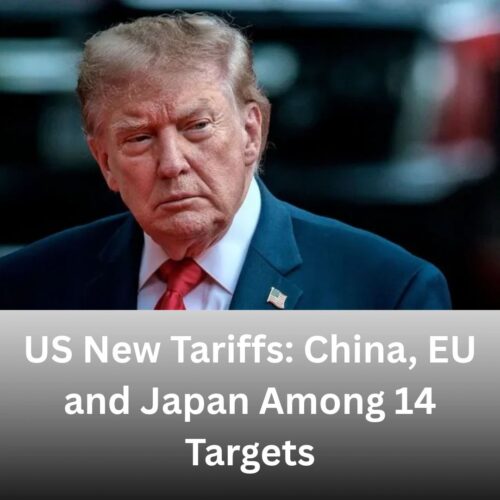
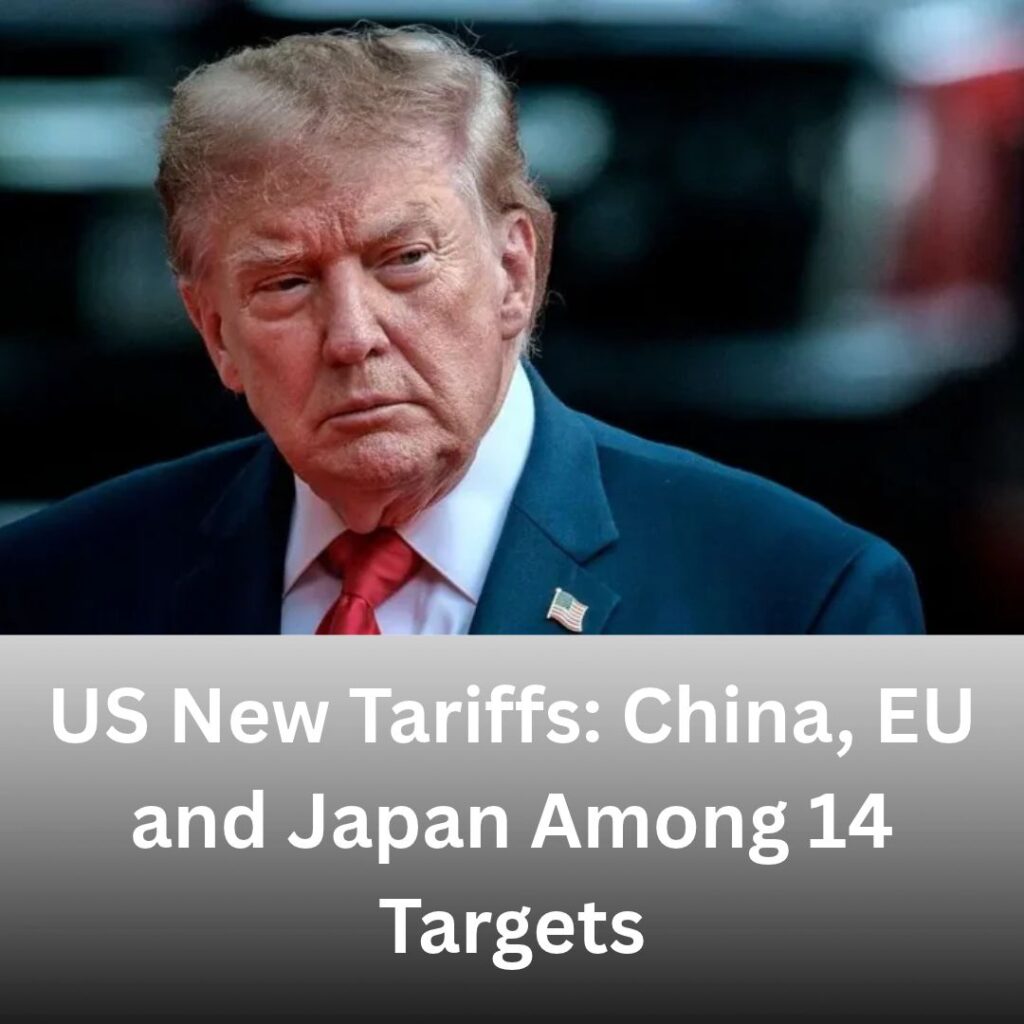

US New Tariffs:- The United States is preparing to introduce a new round of tariffs on imports from several countries, including China, the European Union and Japan. The announcement could come as early as Wednesday, marking another major step in President Donald Trump’s trade policy.
According to reports, the proposed import duties could affect at least 14 countries and trading jurisdictions, including some of America’s largest economic partners. The move follows a US investigation launched under Section 301 of the Trade Act, which allows Washington to take action against trading partners over policies it considers unfair.
The investigation began in March after the US Supreme Court struck down Trump’s earlier set of broad tariffs, known as the “Liberation Day” tariffs.
US New Tariffs:- New Tariff Rates May Differ by Country
The proposed tariffs are expected to vary depending on the trade agreements and arrangements individual countries have previously reached with the Trump administration.
This means that different trading partners could face different import tax rates. The final details are expected to provide greater clarity on how the new measures will affect international trade and businesses.
Trump has consistently defended tariffs as a way to protect American industries, encourage domestic manufacturing and create jobs. His administration has argued that excessive production in other countries has put pressure on US manufacturers and discouraged investment in American factories.
However, the policy has also attracted criticism. Opponents argue that higher import duties can increase costs for American businesses and consumers, while creating uncertainty for companies that depend on international supply chains.
US New Tariffs:- US-China Trade Dispute Remains a Major Concern
The planned announcement could further increase tensions between Washington and Beijing, the world’s two largest economies.
Despite a recent meeting between Trump and Chinese President Xi Jinping, several trade-related disagreements remain unresolved. An interim agreement between the two countries is scheduled to expire on January 10.
Before the Shenzhen summit, the US accused China of failing to fully meet commitments made under an agreement reached in October 2025. Washington raised concerns about China’s agricultural purchases, exports of rare earth materials and supplies of other critical minerals.
These materials are important for industries such as electronics, automobiles, renewable energy and defence. Any disruption in their supply could affect manufacturers across the world.
China, however, has recently extended the suspension of its planned export restrictions on several critical minerals, including gallium, germanium and antimony, until January 27. The restrictions were otherwise due to take effect on Friday.
The decision provides temporary relief for industries that rely on these materials, although wider trade disagreements between the two countries remain.
US New Tariffs:- Global Markets Watch for Further Trade Disruption
The proposed tariffs could have consequences beyond the countries directly affected. Higher import duties may increase production costs, disrupt supply chains and influence prices in international markets.
Businesses that depend on cross-border trade may also face uncertainty while waiting for details of the new tariff structure. Companies could be forced to reconsider sourcing arrangements, production locations and investment plans.
For American consumers, higher tariffs could translate into more expensive imported products if businesses pass additional costs on to buyers.
The latest development highlights the continuing uncertainty surrounding US trade policy. While the Trump administration sees tariffs as a tool to strengthen domestic manufacturing and address trade imbalances, other economies remain concerned about their impact on global commerce.
As Washington prepares to announce its next steps, governments, businesses and investors around the world will be watching closely to understand the potential impact on international trade and economic relations. Source:- BBC Also read :-Trump Praises India’s Economic Growth and Low Interest Rates