
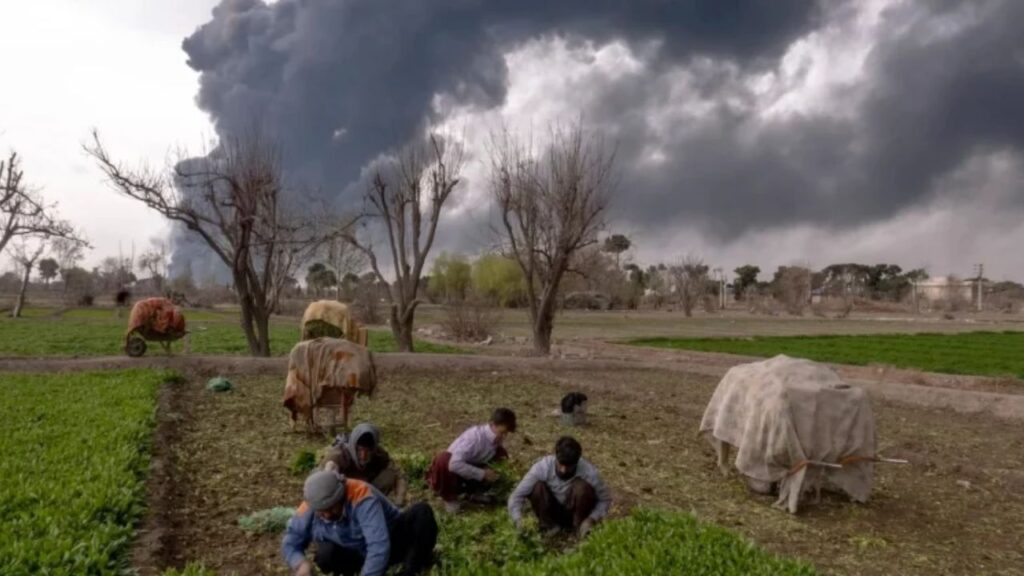

The global food system is facing mounting pressure as the prolonged disruption in the Strait of Hormuz threatens to evolve from an energy crisis into a full-scale food inflation emergency, according to the latest warning issued by the Food and Agriculture Organization.
In its strongest alert so far, the FAO said the continued instability around the strategically vital shipping corridor could trigger a worldwide food price crisis within the next six to 12 months if disruptions continue unchecked.
FAO Chief Economist Máximo Torero cautioned that the situation has moved beyond a temporary shipping bottleneck and is now becoming a “systemic shock” to global agricultural supply chains. The agency warned that the window for preventive action is rapidly narrowing.
The Strait of Hormuz, effectively disrupted since late February amid escalating military tensions and attacks on commercial vessels, handles nearly one-fifth of global oil trade and a major share of Gulf energy exports. The disruption has already driven up shipping insurance costs, slowed maritime traffic, and increased energy market volatility.
While energy markets were initially seen as the primary casualty, international organizations now fear the consequences could spread deeply into food production and global commodity markets.
Modern agriculture remains heavily dependent on stable energy and fertilizer supplies. Fertilizer production relies on natural gas and petrochemical inputs, while large volumes of fertilizer and agricultural commodities move through Hormuz-linked shipping routes. Rising fuel and transport costs are making fertilizers increasingly expensive and less accessible to farmers worldwide.
Analysts warn that reduced fertilizer use could lower crop yields in upcoming seasons, tightening global supplies of staples such as wheat, rice, maize, and vegetable oils. Food commodity prices have already shown signs of stress, with global prices rising for the third consecutive month in April due to increasing costs across cereals, vegetable oils, and meat products.
The FAO emphasized that globally connected food trade networks mean disruptions in one strategic route can quickly impact food prices across multiple regions, including countries far from the Middle East.
To limit the fallout, the agency urged governments, financial institutions, and private companies to diversify shipping and supply routes, avoid export restrictions, and maintain open humanitarian supply corridors. It also recommended building regional food reserves, strengthening warehousing infrastructure, and improving transport resilience to absorb future shocks more effectively.
The warning has been echoed by several international organizations. The World Food Programme said prolonged disruption could sharply increase global hunger risks, potentially pushing tens of millions of additional people into food insecurity.
Meanwhile, the International Food Policy Research Institute highlighted the critical role of the Strait of Hormuz in global fertilizer trade. The institute noted that around 35% of global urea flows, more than a quarter of ammonia trade, over 20% of phosphate shipments, and nearly 45% of sulfur exports pass through the corridor.
Experts warned that even temporary restrictions can destabilize fertilizer markets, while a prolonged shutdown could severely affect nutrient availability for future cropping seasons. They added that even if shipping routes reopen, restoring production, logistics, and supply contracts would take significant time.
The FAO also cautioned that the crisis could intensify further with the possible development of El Niño weather conditions later this year, potentially causing droughts and disrupting rainfall patterns across major agricultural regions.
Amid growing concerns, the International Energy Agency has launched an updated Energy Crisis Policy Response Tracker to monitor how governments are responding to energy market disruptions linked to the Middle East conflict. The platform tracks measures such as fuel-saving initiatives, demand reduction policies, and financial support programs designed to shield consumers and businesses from rising energy costs.
With geopolitical tensions showing little sign of easing, global agencies now warn that the Strait of Hormuz crisis could become one of the most significant threats to global food security and inflation in the coming months.

Author: Shivam
Proficient Writer Contact: [email protected]