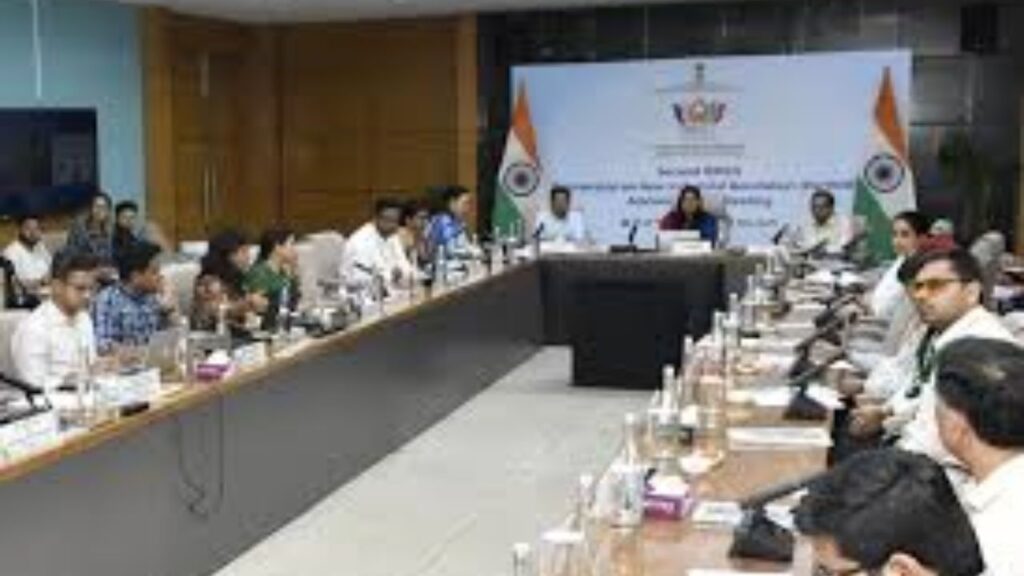

India is leveraging its 2026 BRICS Chairship to strengthen international cooperation on technology adoption, innovation, and sustainable growth for Micro, Small and Medium Enterprises (MSMEs). As part of this effort, the Ministry of MSME convened the second BRICS SME Working Group Meeting on May 26 under the Partnership on the New Industrial Revolution (PartNIR) framework.
The meeting, centered on the theme “Enhancing Access to Technology for MSMEs,” brought together representatives from BRICS member nations to discuss strategies for improving technology accessibility, reducing digital inequalities, and supporting the modernization of small businesses. The discussions reflected a growing recognition that MSMEs play a crucial role in economic growth, employment generation, and industrial development across BRICS economies.
India’s agenda under the BRICS MSME cooperation framework is built around three key priorities: improving access to institutional finance, expanding technology access and infrastructure sharing, and promoting sustainability-oriented growth among MSMEs. These focus areas are intended to address some of the most pressing challenges faced by small businesses while enhancing their competitiveness in an increasingly digital global economy.
The Working Group meeting is part of a broader three-stage roadmap being led by India during its BRICS Chairship. The initiative is expected to culminate in the launch of the first-ever BRICS MSME Forum, which aims to provide a dedicated platform for dialogue, collaboration, and policy exchange among member countries.
Technology commercialization and workforce development emerged as major themes during the discussions. Participating countries emphasized the importance of building strong innovation ecosystems that can help MSMEs access advanced technologies and convert research into commercially viable products and services. Delegates also highlighted the need for industry-ready skilling programs to ensure that workers are equipped with the competencies required in modern manufacturing and digital industries.
According to participants, digital inclusion and workforce preparedness are critical to enabling smaller firms to move beyond local supply chains and integrate into regional and global value networks. Enhanced technology access can help MSMEs improve productivity, adopt efficient manufacturing processes, and meet international standards required by global markets.
A significant part of the discussions focused on the BRICS Partnership on the New Industrial Revolution, commonly known as PartNIR. The framework serves as a specialized cooperation platform designed to support industrial modernization and technology adoption among BRICS nations. It encourages collaboration in areas such as digitalization, advanced manufacturing, artificial intelligence, and clean technologies.
For MSMEs, PartNIR offers opportunities to overcome technology barriers through collaborative innovation, knowledge sharing, and improved access to advanced industrial tools. The initiative also facilitates exchanges of industrial policy experiences, technical expertise, and workforce training systems among member countries.
Experts believe India’s leadership role within the PartNIR framework reflects a broader strategy of using multilateral partnerships to address domestic challenges related to technology adoption and skills development. By engaging with BRICS partners, India aims to accelerate the modernization of MSME clusters, particularly in manufacturing-intensive sectors.
The initiative is also expected to support India’s efforts to integrate more deeply into global value chains. Improved technological capabilities can help Indian MSMEs meet international quality requirements, digital traceability standards, and production benchmarks demanded by overseas buyers.
Furthermore, cooperation on technical skilling could strengthen India’s vocational education ecosystem by aligning polytechnics, Industrial Training Institutes (ITIs), and other training institutions with emerging Fourth Industrial Revolution technologies. Such collaboration may help create a workforce better prepared for the changing demands of industry.
The focus on digital inclusion aligns closely with several domestic initiatives, including the Digital MSME Scheme. Policymakers believe that wider adoption of digital tools among enterprises in tier-2 and tier-3 cities can boost productivity, improve market access, and contribute to more balanced economic development.
As India continues to guide the BRICS MSME agenda in 2026, technology cooperation, innovation-driven growth, and sustainable industrial development are expected to remain at the forefront of discussions, reinforcing the role of MSMEs as engines of economic transformation.

Author: Shivam
Shivam Dwivedi is a senior journalist with extensive experience in research-driven journalism, policy communication, and multi-platform storytelling. His areas of interest include international relations, defence, science & technology, education, urban development, agriculture, spirituality, and environmental sustainability. His work focuses on in-depth analysis, public discourse, and impactful narratives across governance and development sectors, with a strong commitment to the Sustainable Development Goals (SDGs). Contact: [email protected]