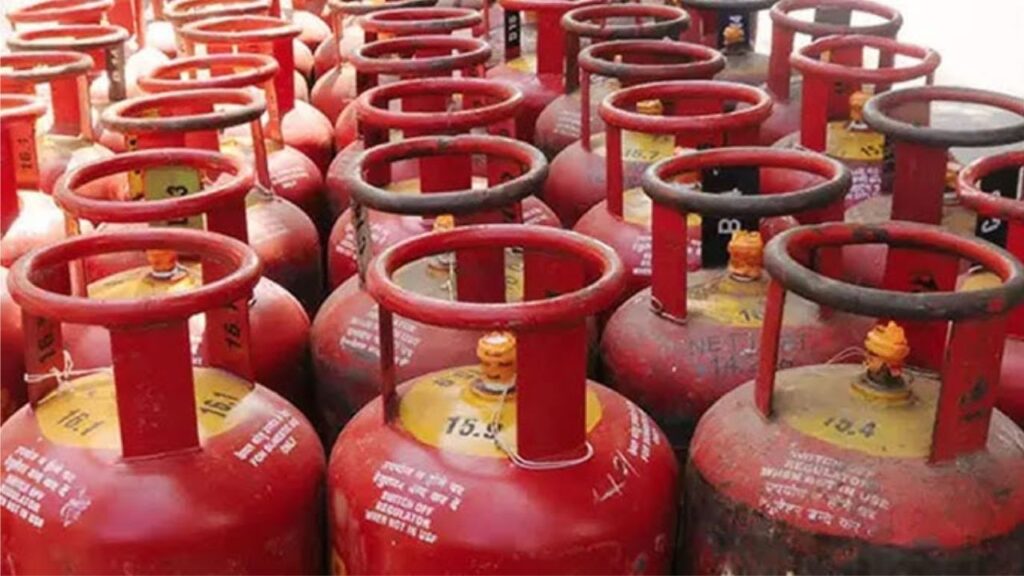

Domestic cooking gas prices have been increased by Rs 29 per 14.2-kg cylinder across the country, marking the second price revision in the last three months. The latest increase has pushed the cost of a standard household LPG cylinder in Delhi from Rs 913 to Rs 942, according to industry sources. The revised prices came into effect on June 7.
The fresh hike comes at a time when global energy markets continue to face uncertainty due to geopolitical tensions in the Middle East. Ongoing conflicts in the region have disrupted supply chains and contributed to rising international crude oil and natural gas prices, placing additional pressure on domestic fuel pricing.
While the increase is applicable nationwide, the final retail price of LPG cylinders will vary across cities and states because of differences in local taxes, transportation expenses, and distribution costs. Consumers in metropolitan areas as well as smaller towns are expected to feel the impact of the revised rates as household budgets come under further strain.
This latest revision follows an earlier increase of Rs 60 per cylinder that was implemented on March 7. Industry experts had indicated at the time that the previous hike was insufficient to fully compensate oil marketing companies for losses incurred on the sale of domestic LPG. The companies had been absorbing a significant portion of the increased import costs resulting from higher global energy prices.
According to industry officials, the latest increase is aimed at partially reducing the gap between the actual cost of supplying LPG and the retail price paid by consumers. Despite the recent adjustments, energy companies continue to face financial pressure due to elevated international fuel prices and currency fluctuations that affect import costs.
The rise in cooking gas prices is part of a broader trend of increasing fuel costs across the country. Over the past few weeks, petrol and diesel prices have also witnessed notable hikes. Reports indicate that retail prices of both fuels have risen by a cumulative Rs 7.50 per litre since mid-May. Similarly, compressed natural gas (CNG), widely used in public transport and private vehicles, has become costlier by around Rs 6 per kilogram.
The combined increase in LPG, petrol, diesel, and CNG prices is expected to have a cascading effect on household expenses and transportation costs. Analysts believe that higher fuel prices could contribute to inflationary pressures, as transportation and logistics expenses often influence the prices of essential goods and services.
Industry sources have also stated that oil marketing companies continue to face under-recoveries despite the recent fuel price hikes. According to estimates, petrol is still being sold at a loss of approximately Rs 11 per litre, while diesel sales are resulting in losses of around Rs 33.6 per litre. These figures highlight the challenge faced by fuel retailers in balancing consumer affordability with rising procurement costs.
The government and energy companies are closely monitoring developments in international markets. Any further escalation in geopolitical tensions or disruptions in oil-producing regions could lead to additional volatility in fuel prices. Conversely, a stabilization of global crude oil and natural gas supplies may help ease pricing pressures in the coming months.
For consumers, however, the immediate concern remains the increasing cost of essential fuels. With cooking gas being a basic household necessity, the latest LPG price hike is likely to affect millions of families across India. As fuel prices continue to rise, households may need to adjust spending patterns to manage the growing impact on monthly budgets.
The latest revision underscores the strong link between global energy trends and domestic fuel prices, highlighting how international developments continue to influence everyday living costs for Indian consumers.
Also Read: India Manufacturing Growth Hits Three-Month High in May as Domestic Demand Drives Expansion

Author: Shivam
Shivam Dwivedi is a senior journalist with extensive experience in research-driven journalism, policy communication, and multi-platform storytelling. His areas of interest include international relations, defence, science & technology, education, urban development, agriculture, spirituality, and environmental sustainability. His work focuses on in-depth analysis, public discourse, and impactful narratives across governance and development sectors, with a strong commitment to the Sustainable Development Goals (SDGs). Contact: [email protected]