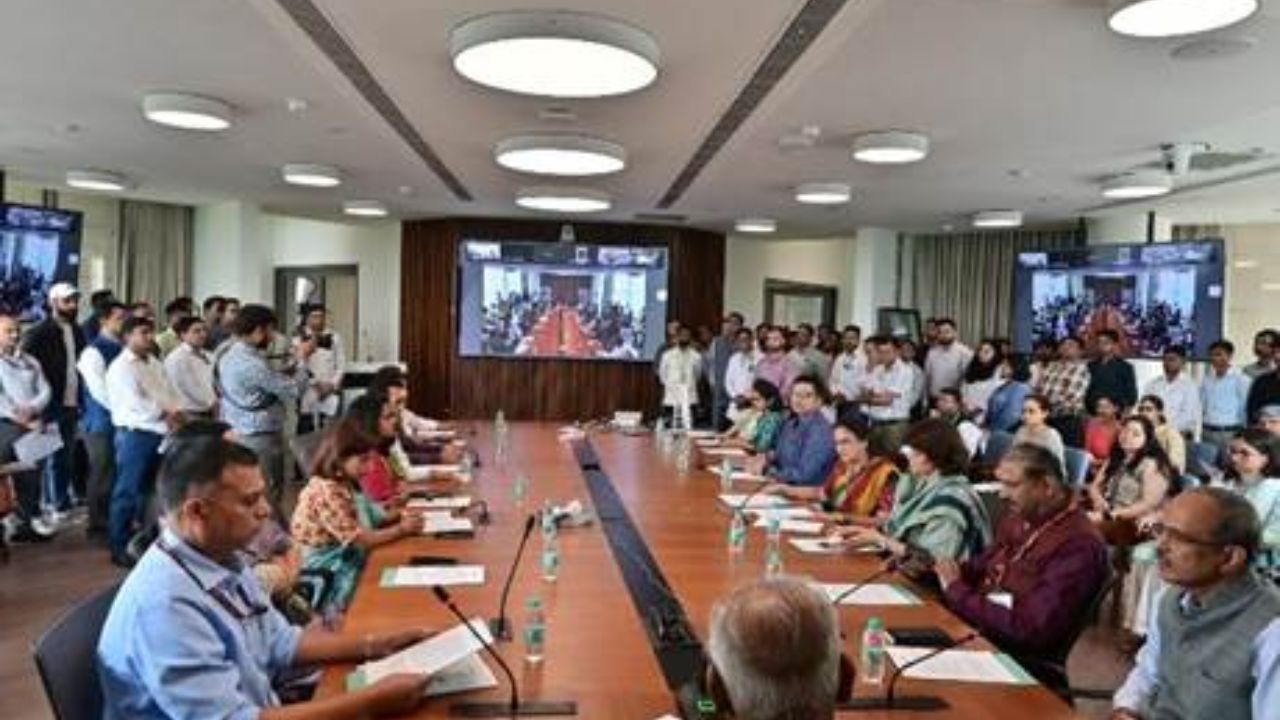
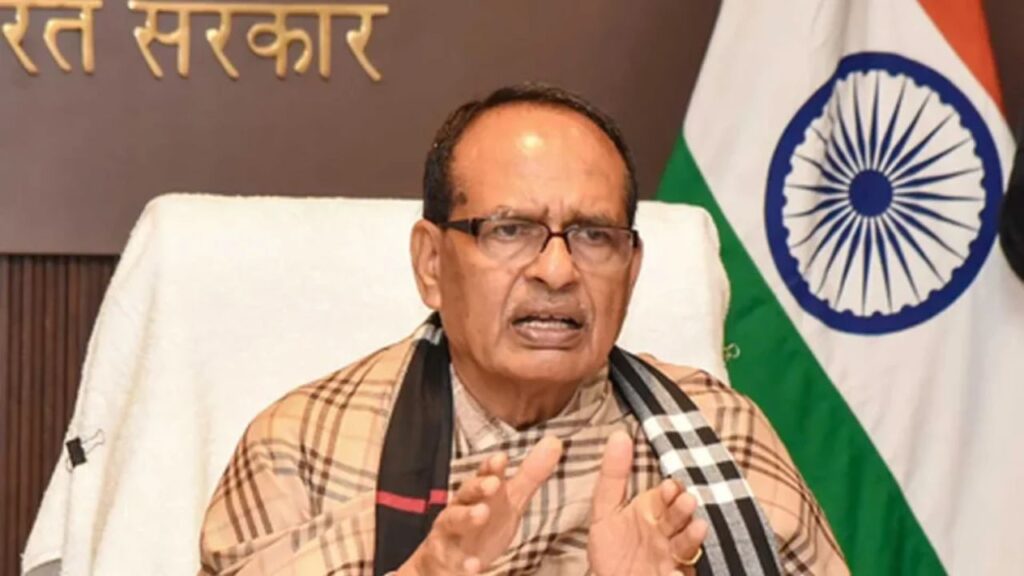

Union Agriculture and Farmers’ Welfare Minister Shivraj Singh Chouhan on Tuesday chaired a high-level review meeting at Krishi Bhavan to assess the country’s preparedness for the upcoming Kharif 2026 season. The meeting focused on strengthening agricultural resilience in view of possible El Niño conditions, boosting cotton production, advancing self-reliance in pulses, and ensuring timely support for farmers across the country.
During the weekly agriculture review, Chouhan stressed that safeguarding farmers’ interests remains the government’s foremost priority under the leadership of Prime Minister Narendra Modi. He directed officials to take proactive measures to address any weather-related challenges that could affect crop production during the Kharif season.
A key focus of the meeting was the potential impact of El Niño, which could result in low or uneven rainfall in several regions. The minister instructed officials to identify vulnerable districts and prepare crop-specific contingency plans in collaboration with state governments. These plans are expected to provide farmers with alternative crop options, technical guidance and timely assistance in case of adverse weather conditions.
Emphasising preparedness, Chouhan said every risk-prone district should have a practical and district-specific strategy. He highlighted the importance of water conservation, moisture management, inter-cropping practices and alternative cropping patterns to minimise the impact of rainfall shortages. The objective, he noted, is to ensure that farming activities continue smoothly even under challenging climatic conditions.
The minister also called for coordinated efforts in the nine to ten states that are likely to experience a stronger impact from El Niño. He directed authorities to organise meetings involving district administrations, agriculture departments, Krishi Vigyan Kendras (KVKs) and extension agencies. These interactions will help disseminate scientific and region-specific information among farmers, enabling them to make informed decisions regarding crop selection and cultivation practices.
Chouhan underlined the need for balanced communication with farmers. Rather than creating unnecessary alarm, he urged officials to provide reliable, science-based advice and practical solutions. Such an approach, he said, would strengthen farmers’ confidence and improve their preparedness for the season ahead.
The review meeting also examined crop-wise targets, sowing plans and state-level preparations for Kharif 2026. Special attention was given to enhancing cotton production. The minister advocated the widespread adoption of scientific farming techniques, improved seed varieties, mulching, inter-cropping and moisture conservation measures to increase productivity and profitability.
He directed officials to work in a mission mode to support cotton growers and ensure that all available resources are utilised to maximise output. Higher cotton production, he said, would contribute to improving farmers’ incomes and strengthening the agricultural economy.
Another major area of discussion was the government’s Self-Reliance in Pulses Mission. Chouhan reiterated the Centre’s commitment to reducing dependence on imported pulses by increasing domestic production of crops such as pigeon pea, black gram and moong. He highlighted efforts to expand cultivation areas, improve seed availability and provide farmers with technical support through close coordination with state governments.
According to the minister, achieving self-sufficiency in pulses is essential for ensuring food security and building a sustainable agricultural system. The mission is expected to create new opportunities for farmers while reducing the country’s import burden.
The meeting also reviewed fertiliser availability, reservoir levels, water storage status, mandi prices and state-wise stock positions. Chouhan noted that fertiliser supplies are adequate at the national level and instructed officials to further streamline distribution as monsoon activity intensifies. He emphasised that any potential shortages at the local level should be addressed in advance to avoid disruptions during the farming season.
In addition, the minister stressed the importance of stronger coordination among agricultural universities, institutions under the Indian Council of Agricultural Research (ICAR), KVKs and state agriculture departments. He said that scientific knowledge and innovations can deliver meaningful results only when they reach farmers on time and are easily accessible at the grassroots level.
Concluding the review, Chouhan called for continuous monitoring, regular consultations and prompt feedback from the field. He expressed confidence that coordinated efforts by all stakeholders would help ensure a productive and secure Kharif 2026 season, benefiting farmers and strengthening the country’s agricultural sector.

Author: Shivam
Proficient Writer Contact: [email protected]