
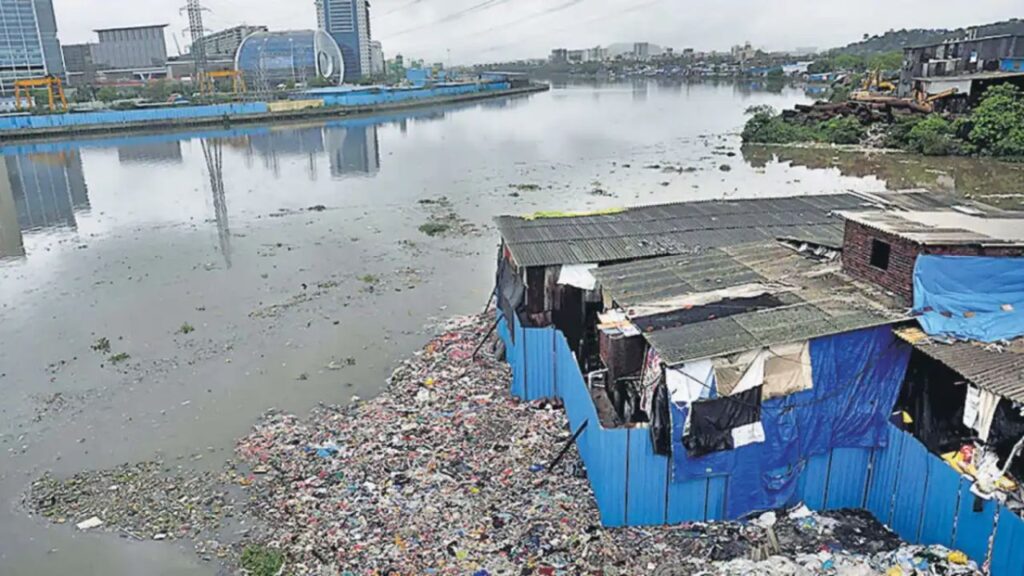

A farmers’ organisation has raised serious concerns over alleged pollution of the Pazhavaru river following the conversion of a sugar mill in Papanasam Taluk into a full-fledged brewery. The association claims that the discharge of contaminated water from the facility is affecting local residents, livestock, and agricultural activities in the region.
The allegations were made by the Tamil Nadu Cauvery Farmers Protection Association, which has urged authorities to investigate the matter and take immediate corrective action. According to the association’s secretary, Sundara Vimalanathan, the Pazhavaru river plays a crucial role in supporting agriculture across several villages located between Kabisthalam and Kumbakonam.
Vimalanathan stated that the river functions as a drainage channel for hundreds of acres of farmland in the region. Due to the widespread adoption of lift irrigation systems, a continuous sheet of water is generally present in the channel. The runoff from agricultural fields eventually flows into the river, creating a dependable water source for livestock and contributing to the local ecosystem.
However, the situation has reportedly changed since the commencement of alcohol-based product manufacturing at the brewery. Farmers allege that the river water has become contaminated, leading to adverse effects on both humans and animals. According to local residents, people who use the river for bathing or washing have experienced skin irritation and itching after coming into contact with the water.
The association further claimed that cattle, which traditionally relied on the river as a source of drinking water, are now avoiding it because of an unpleasant chemical odour emanating from the water. Farmers fear that if the issue remains unaddressed, it could have wider implications for agriculture and public health in the area.
“Pazhavaru has long served as an important water source for local communities and livestock. The contamination of this water body could severely affect the livelihoods of farmers who depend on it directly or indirectly,” Vimalanathan said while expressing concern over the alleged pollution.
Another major issue highlighted by the association is the potential impact on groundwater resources. Farmers believe that if untreated or inadequately treated wastewater continues to be discharged into the river, pollutants could seep into the groundwater table. Such contamination could eventually affect water used for irrigation as well as drinking purposes in nearby villages.
Groundwater remains a vital resource in the Cauvery delta region, where agriculture is the primary source of income for thousands of farming families. Any deterioration in water quality could therefore have long-term consequences for crop production and rural livelihoods.
The association has called upon environmental authorities and district officials to conduct a detailed inspection of the brewery and assess whether industrial effluents are being discharged into the river in violation of environmental norms. Farmers have also demanded regular monitoring of water quality to ensure that local water bodies remain safe for human and animal use.
District administration officials acknowledged receiving the complaint submitted by the farmers’ organisation. According to officials, the complaint was sent via email on Sunday night and was subsequently forwarded to the concerned department on Monday for further examination and necessary action.
Authorities have not yet released any findings regarding the allegations. Officials indicated that the matter would be investigated by the relevant departments to determine whether pollution has occurred and whether any environmental regulations have been breached.
The controversy has once again highlighted the delicate balance between industrial development and environmental protection in agricultural regions. While industries generate employment and economic opportunities, farmers insist that industrial operations must adhere strictly to pollution-control standards to safeguard natural resources and rural livelihoods.
As the investigation progresses, local communities are awaiting official assessments that could clarify the source of the alleged contamination and determine the steps required to protect the Pazhavaru river and the surrounding agricultural landscape.