

Meta Platforms, the parent company of Facebook, is preparing a major expansion of its artificial intelligence-powered hardware portfolio as it seeks to strengthen its position in the rapidly evolving wearable technology market. The company is reportedly developing an AI-powered pendant, several new smart glasses models, and a workplace-focused subscription service aimed at driving enterprise adoption of wearable devices.
According to recent reports, Meta’s latest hardware strategy is part of a broader effort to revive its Reality Labs division, which has faced significant financial challenges despite years of investment in augmented reality, virtual reality, and artificial intelligence technologies.
One of the most notable projects under development is an AI-enabled pendant designed to function as a personal digital assistant. The device builds on Meta’s acquisition of startup Limitless in 2025. Limitless gained attention for creating wearable clip-on gadgets capable of recording conversations and transforming them into searchable transcripts.
The upcoming pendant is expected to go beyond simple transcription. It will reportedly use advanced AI capabilities to summarize meetings, track important conversations, organize daily interactions, and help users improve productivity. The wearable is envisioned as a hands-free assistant that can provide users with quick access to information and reminders throughout the day. Internal testing of the device is expected to begin later this year.
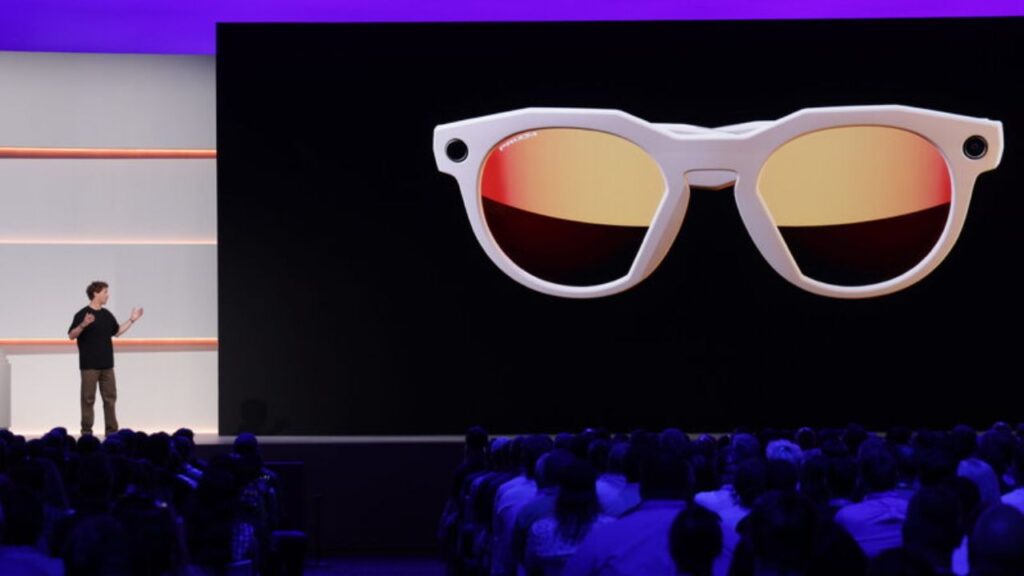
Alongside the AI pendant, Meta is also accelerating development of its smart glasses ecosystem. The company is reportedly planning to introduce up to four new smart glasses models before the end of 2026.
The first model, codenamed Modelo, is expected to launch in June. This will be followed by Luna and an updated version of RBM2 during the fall season. Another premium offering, known internally as Mojito VIP, is scheduled for a December debut.
Meta is also investing in longer-term wearable technologies. Future prototypes currently under development include Artemis and SSG, short for “supersensing glasses.” These next-generation devices are expected to incorporate more advanced AI capabilities, enabling users to interact with digital information in real time while remaining aware of their surroundings.
The company plans to power these devices using its expanding suite of AI models and a new AI agent platform reportedly known as Hatch. The integration of AI into wearable devices reflects Meta’s ambition to create products that can assist users continuously throughout the day rather than relying solely on smartphones or computers.
In addition to consumer-focused products, Meta is preparing a new enterprise initiative called Wearables for Work. The subscription-based service is designed to bring AI-powered wearable devices into professional environments and enhance workplace productivity.
The program is expected to begin with pilot deployments at major organizations. Initial trials will reportedly involve approximately 100 devices per participating company. Through these pilots, Meta aims to demonstrate how AI wearables can support communication, knowledge management, meeting documentation, and workflow efficiency.
The workplace-focused strategy could provide Meta with a recurring revenue stream while expanding the practical use cases for its wearable technology portfolio. It also aligns with growing interest among businesses in AI tools that improve productivity and automate routine tasks.
Meta’s renewed focus on practical AI hardware comes at a critical time for the company. Reality Labs, the division responsible for developing Meta’s next-generation technologies, reportedly recorded losses of around $19 billion in 2025. These financial pressures have encouraged CEO Mark Zuckerberg and the company’s leadership team to prioritize products with clearer commercial potential.
By combining AI-powered assistants, smart glasses, and enterprise subscription services, Meta hopes to establish a sustainable wearable technology ecosystem. The company has reportedly set an ambitious goal of selling 10 million wearable devices during the second half of 2026 while expanding availability to additional global markets.
As competition intensifies in the AI hardware sector, Meta’s latest initiatives signal a significant shift toward practical, productivity-driven devices that could play a central role in the future of personal and workplace computing.