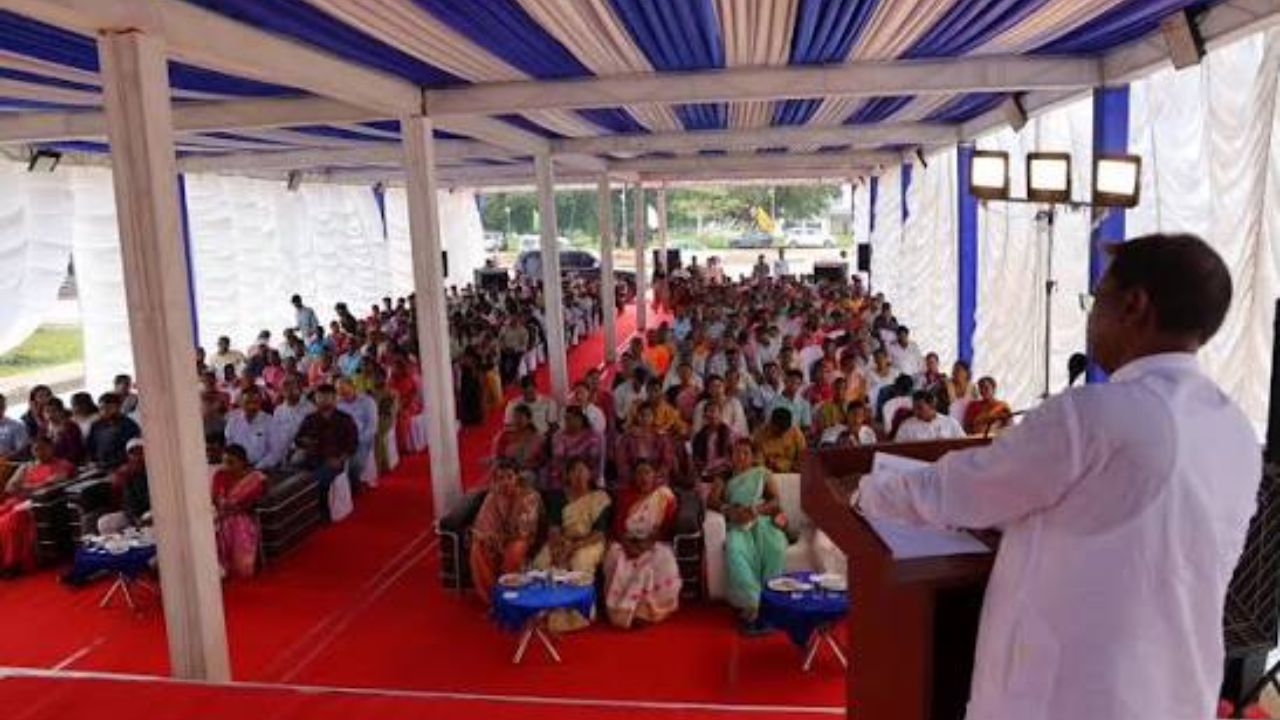
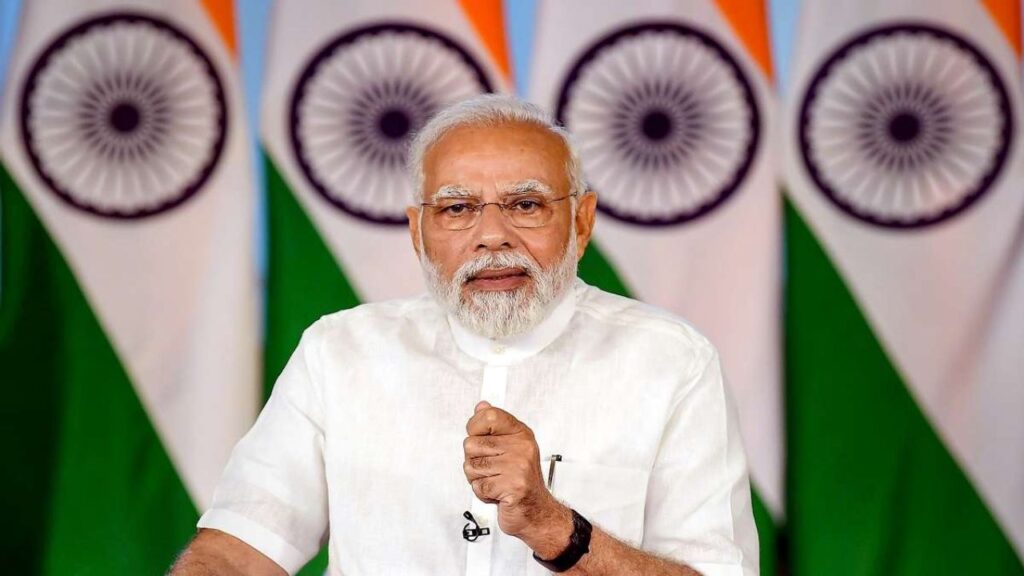

Prime Minister Narendra Modi is set to unveil a series of major development initiatives in West Bengal on June 20, marking a significant step toward the Centre’s vision of “Viksit Bharat, Viksit West Bengal.” During a large public programme in Hooghly district, the Prime Minister will inaugurate, dedicate, and lay the foundation stone for projects spanning agriculture, rural development, fisheries, animal husbandry, healthcare, and railway infrastructure.
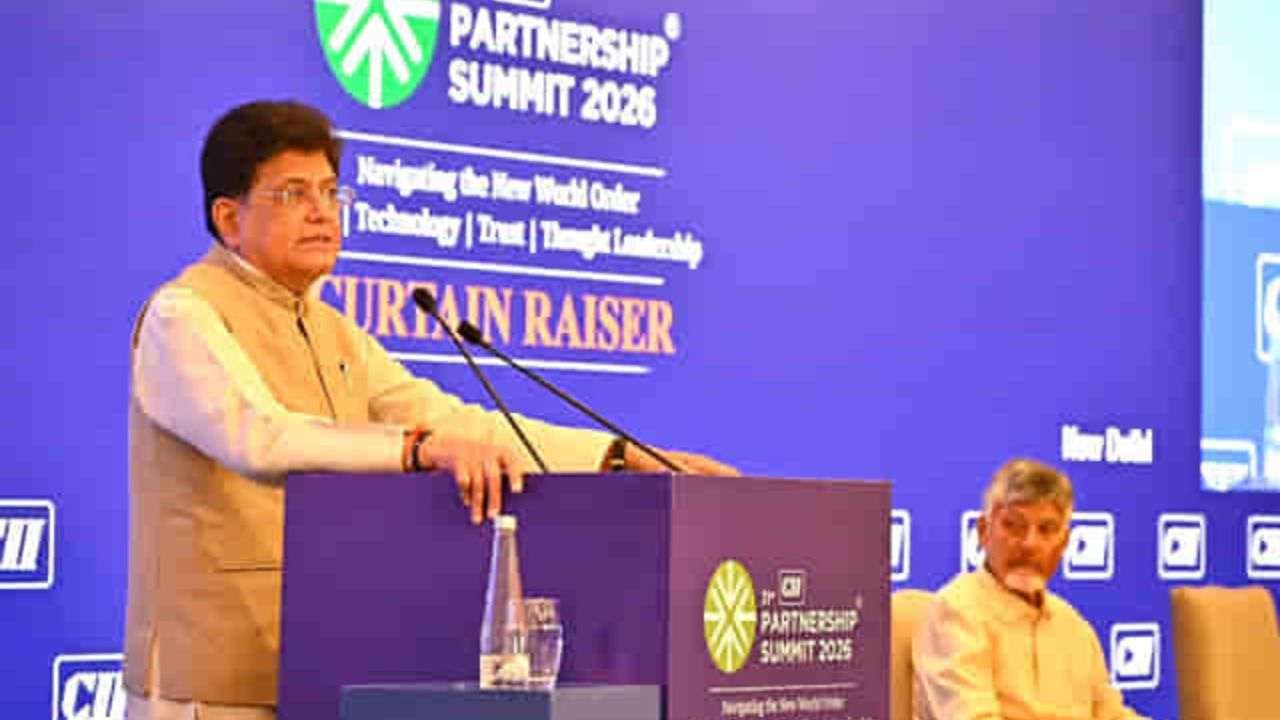
Union Agriculture and Farmers Welfare Minister Shivraj Singh Chouhan described the event as a landmark occasion for farmers, rural communities, and youth. He said the Centre is committed to transforming eastern India into a major hub for agriculture, infrastructure, and industrial growth, and the upcoming programme will accelerate that vision.
A key highlight of the event will be the release of the 23rd instalment of the Pradhan Mantri Kisan Samman Nidhi (PM-KISAN). Under the scheme, more than ₹18,880 crore will be directly transferred to the bank accounts of over 9.44 crore farmers across the country through Direct Benefit Transfer (DBT). In West Bengal alone, around 45.35 lakh farmers are expected to receive nearly ₹907 crore. Since the launch of PM-KISAN in 2019, beneficiaries in the state have received over ₹15,055 crore, while total national disbursement has crossed ₹4.46 lakh crore.
The Prime Minister will also launch the Pradhan Mantri Fasal Bima Yojana (PMFBY) and the restructured Weather Based Crop Insurance Scheme (RWBCIS) in the state. Together, these schemes involve an investment of approximately ₹12,200 crore and aim to provide insurance coverage to nearly 1.10 crore farmers cultivating around 30 lakh hectares of agricultural land during 2026-27.
In a move to modernise farming practices, Modi will launch the Agritech platform under the Digital Agriculture Mission. The platform will integrate services such as fertiliser distribution, Kisan Credit Card facilities, direct benefit transfers, and government procurement under the Minimum Support Price (MSP) system. The initiative is expected to enhance transparency, improve service delivery, and provide better market access to farmers.
The National Mission on Natural Farming will also be launched during the programme. Under the mission, 346 natural farming clusters covering 17,300 hectares will be established across West Bengal during the current financial year. The initiative aims to benefit over 43,000 farmers through training, bio-based inputs, and improved market linkages.
Another significant announcement will be the rollout of the Pradhan Mantri Dhan-Dhaanya Krishi Yojana in Purulia, Darjeeling, Alipurduar, and Jhargram districts. The scheme seeks to boost agricultural productivity, encourage crop diversification, strengthen storage and processing facilities, and generate employment opportunities in rural areas.
In the rural development sector, the Prime Minister will inaugurate 49 road projects under the Pradhan Mantri Gram Sadak Yojana (PMGSY-III). Built at a cost exceeding ₹213 crore, these roads span more than 315 kilometres and are expected to improve connectivity between villages and urban centres, benefiting farmers, students, and patients.
The fisheries sector will receive a major boost through the inauguration of a modernised fisheries harbour at Fraserganj in South 24 Parganas and a modern fish market in Birbhum district. These facilities are expected to improve storage, marketing, and export capabilities while creating local employment opportunities.
In the livestock sector, Modi will inaugurate eastern India’s first Regional Semen Production Laboratory and Goat Semen Bank at Harinaghatta in Nadia district. Developed under the National Livestock Mission, the facility is expected to enhance scientific breeding practices and improve livestock productivity.
The Prime Minister will also launch and lay the foundation stone for railway projects worth around ₹591 crore. These include a new 300-bed divisional railway hospital in Howrah, a road over bridge in East Medinipur, and the dedication of the Sankrail–Santragachi third railway line. The projects are expected to improve passenger services, strengthen logistics, and enhance rail safety.
Officials believe these initiatives will strengthen rural livelihoods, create employment opportunities, improve infrastructure, and contribute significantly to the long-term development of West Bengal while advancing the broader goal of a developed India.

Author: Shivam
Proficient Writer Contact: [email protected]